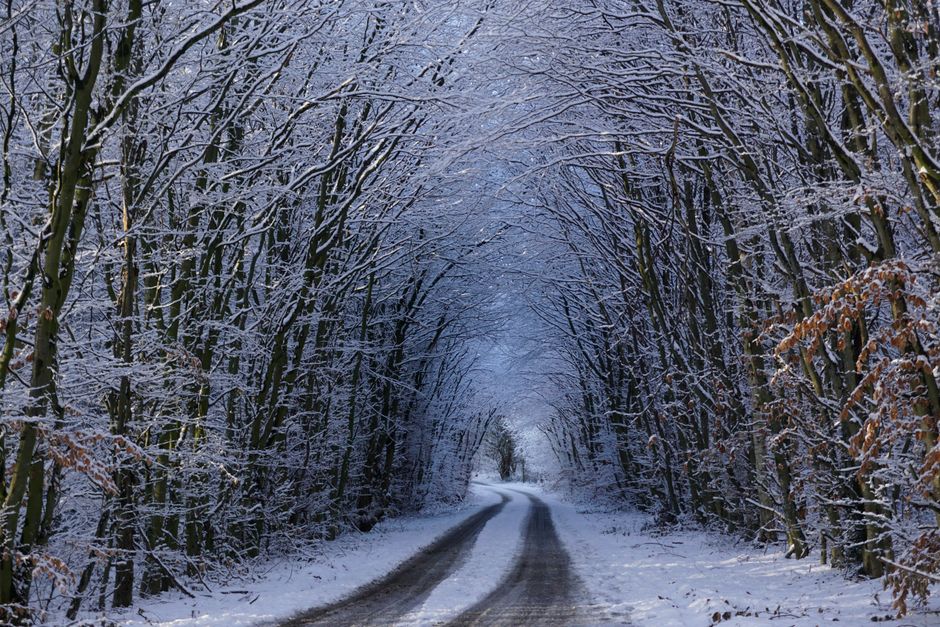
You arrive in Ambleside just before lunch, hoping for two silent days beside the water. Instead, rain runs down the windscreen, the mountain tops have vanished into cloud, and your planned high-level walk now looks unsafe. This is the point where a winter break either becomes a rushed list of indoor attractions or settles into something better: slow mornings, low-level paths, warm pubs, and a plan that still works when the forecast turns.
A quiet winter escape to the Lake District is not a smaller version of a summer holiday. The landscape works differently from November to March. Daylight is limited, roads can be slow, and a clear valley does not mean safe conditions on the fells. The winning strategy is simple: choose one base, build around short outdoor days, and keep a realistic indoor backup.
Why winter works in the Lake District
Fewer people change the pace
The Lake District is at its calmest on weekday mornings from late November through February, outside Christmas and school holidays. Popular viewpoints can still fill on bright weekends, but the main difference is felt away from the headline walks. Roads through Grasmere, Borrowdale, and the western shore of Windermere feel less pressured, cafés have more room, and you can stop beside a lake without competing for the same photograph.
The quiet is not total. Some hotels close for annual maintenance, some cafés reduce opening days, and smaller attractions may operate on a Tuesday-to-Saturday pattern. That trade-off is useful for travellers who value space more than a packed programme. Check opening hours before setting out, then leave part of each day unbooked.
The weather is the real itinerary
Rainfall is common, but the bigger issue is fast change with height. A mild, wet morning in the valley can become icy, windy, or snow-covered on a 900-metre summit. The Lake District National Park records winter mountain conditions through its Weatherline and Fell Top Assessors. Read that report alongside the Met Office forecast before choosing a route.
The verdict is clear: winter suits travellers who want atmosphere, not guaranteed views. If your main goal is a summit photograph, spring or early autumn gives you better odds. If your goal is silence, fireside meals, frosty shorelines, and flexible days, winter is the stronger choice.
Low-level walking solves the main problem
You do not need a fell summit to experience the Lake District. Lakeshore paths, woodland tracks, riverside routes, and village-to-village walks deliver the scenery with less exposure. Rydal Water, the western shore of Windermere, Grasmere village, and sections of the Borrowdale valley can all work as lower-level options, but conditions still matter. Mud, ice, swollen streams, and fading light can turn a short route into a slow one.
Use the National Park’s lower-level route advice, carry a paper map, and set a turnaround time. For a quiet winter trip, a safe two-hour walk beats an ambitious six-hour route abandoned in darkness.
Which Lake District base is quietest in winter?
Compare the main areas before booking
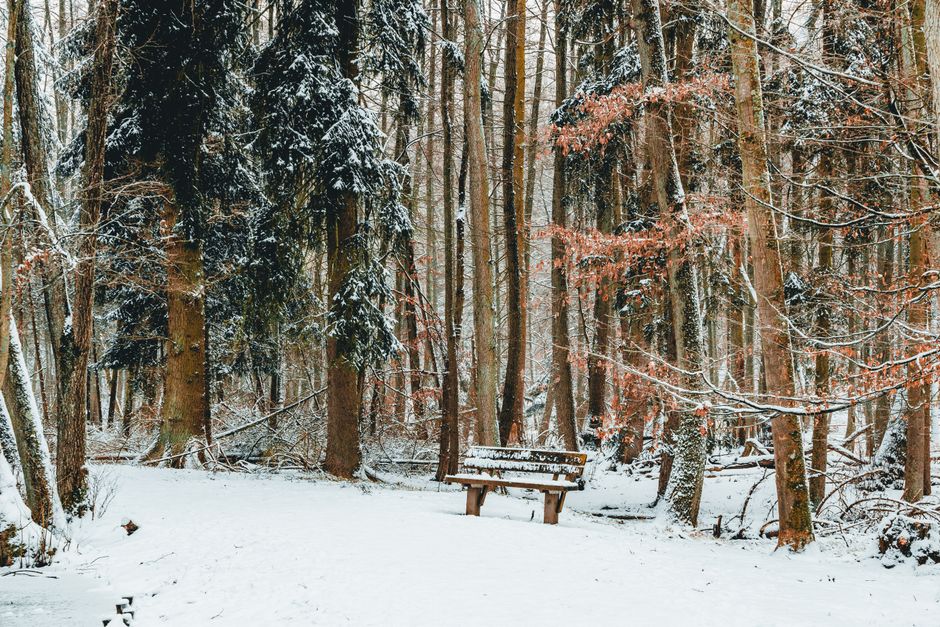
The right base depends less on a single attraction than on how easily you can change plans. Windermere and Bowness offer the largest choice of accommodation and transport, but they are busier. Grasmere feels more compact and works well for walking, food, and literary history. Keswick gives you strong access to northern valleys and more indoor options. Borrowdale is the quietest choice, but it demands more care with transport, road conditions, and opening times.
| Base | Best for | Winter advantage | Main risk |
|---|---|---|---|
| Windermere or Bowness | First-time visitors and car-free trips | More accommodation, buses, cafés, and lake access | Less secluded on weekends |
| Grasmere | Short walks, food, and village atmosphere | Compact centre with valley routes nearby | Limited late-evening choice outside peak dates |
| Keswick | Mixed weather and northern valleys | Good indoor backup and access to Borrowdale | Higher-level routes can become serious quickly |
| Borrowdale | Maximum quiet and scenery | Fewer crowds and dramatic valley views | Fewer services and narrower roads |
The strongest choice for most visitors
For a first quiet winter escape, Grasmere is the best base. It gives you a village you can explore on foot, several low-level routes, and a practical alternative if rain arrives. Windermere is the better pick if you are arriving by train or want the widest choice of accommodation. Choose Borrowdale only if solitude matters more than convenience and you have checked transport, food, and road conditions in advance.
How long should you stay?
Two nights is the minimum that feels worthwhile. One night leaves too little space for a weather change or a late arrival. Four nights can feel wonderfully slow if you plan reading, walking, and meals rather than trying to cover every lake. Avoid changing bases each night. Packing and driving across the park consume the exact time you came to recover.
The safest winter plan spends on preparation, not gadgets
My recommendation is to buy or borrow proper waterproof clothing and navigation equipment before paying for specialist safety gadgets. A well-tested map, reliable boots, spare gloves, and a waterproof shell solve more common problems than expensive electronics. The product choice matters, but only after you have matched it to the route.
Three useful products with clear limits
The Rab Firewall Waterproof Jacket is listed at £165 and weighs 495.5 grams in a size medium. Its 20,000mm hydrostatic head and three-layer Pertex Shield fabric make it a sensible shell for exposed rain, but it is not a warm coat. Add an insulating layer underneath.
The Ordnance Survey Explorer OL4 covers the north-western Lake District at 1:25,000 scale, with standard versions listed from £12.99 and weatherproof Active versions at £16.99. For a northern base, it is the best value purchase on this list because it works when a phone battery, signal, or screen fails.
The Garmin inReach Mini 2 is a more specialised option. Garmin describes it as a compact satellite communicator measuring under four inches and weighing 3.5 ounces, with an IPX7 water rating and two-way emergency communication. It is useful for remote, experienced routes; it is excessive for a low-level walk between Grasmere and Rydal.
What to pack and what to skip
- Pack waterproof outer layers, a warm insulating layer, spare gloves, a headtorch, food, water, a whistle, and a paper map.
- Wear boots with genuine grip. Smooth soles are a poor match for wet stone and frozen mud.
- Keep your phone charged, but treat GPS as support rather than your only navigation method.
- Skip crampons and ice axes unless you have the training to use them. Carrying technical equipment does not create technical skill.
- Do not buy a satellite communicator as a substitute for route choice, a weather check, or telling someone where you are going.
The verdict: for normal winter visitors, the OS map and a proper shell offer more practical value than a satellite device. Rent or borrow specialist equipment only when the route and your experience justify it.
How to protect the booking and know when to skip it
Travel insurance is a contract, not a weather guarantee
For US visitors, there is no single nationwide travel-insurance requirement for a UK holiday, but state rules, disclosures, and consumer protections vary. Premiums vary by state and individual factors such as age, trip cost, destination, medical history, and selected limits. Get multiple quotes and compare the wording, not just the headline price.
Use AM Best financial-strength ratings as one check on an insurer’s ability to pay claims, and review current J.D. Power customer scores where comparable travel-service data is available. Neither rating replaces reading the policy. A financially strong company can still exclude the exact activity you planned.
Exclusions that catch winter travellers
- Pre-existing medical conditions may need to be declared and covered within a stated time window.
- Walking above a policy’s altitude limit, or taking part in mountaineering, scrambling, or climbing, may void an activity claim.
- Weather disruption may not qualify unless the policy lists a covered delay, closure, or transport failure.
- Unattended baggage, alcohol-related incidents, and equipment left in an unlocked car are common exclusion areas.
- Cancellation cover may not pay simply because the forecast looks unpleasant or a view is unlikely.
When should you postpone?
Postpone if the only reason for going is a high-level route and the forecast shows dangerous wind, ice, or poor visibility. Keep the booking if you can switch to low-level walks, indoor visits, and public transport without taking a major financial hit. Check cancellation deadlines before the trip, save confirmation emails, and ask the accommodation provider exactly what happens if roads close.
The opening scene now has a better ending. When rain hides the Ambleside fells, you do not need to rescue the original plan. You check the conditions, take a short walk by the water, warm up over lunch, and keep the mountains for a safer morning. That is the real quiet winter escape: not perfect weather, but enough preparation to enjoy the Lake District when the weather refuses to perform.