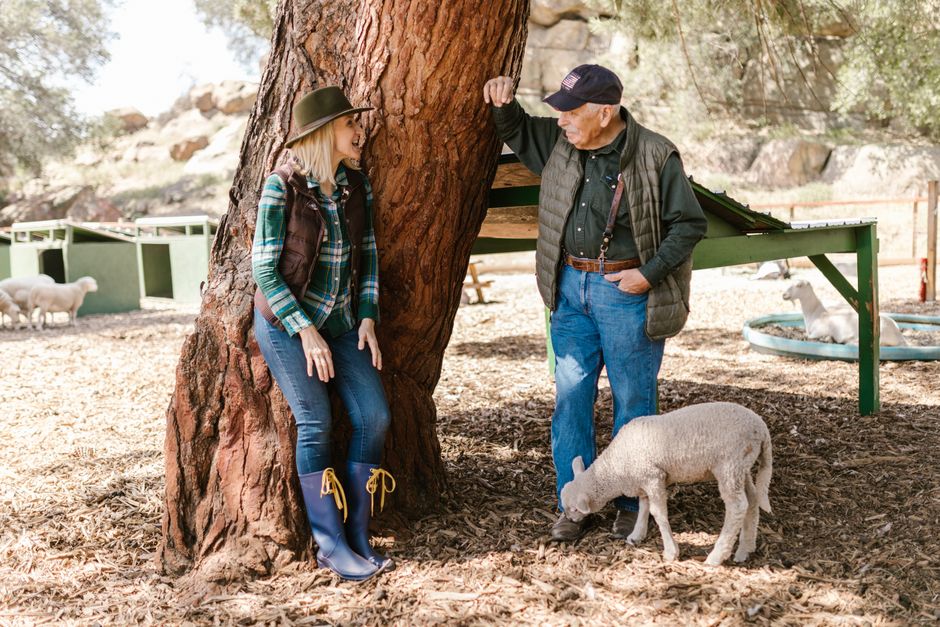
Have you booked a pretty Welsh cottage expecting lambs in the next field, only to discover that the farm stopped keeping sheep years ago? That mistake is easy to make. “Farm stay” can mean a working livestock farm, a converted barn on an agricultural estate, or a rural holiday cottage with a few hens beside the car park.
For a real spring lambing break, you need to match the dates, accommodation and level of contact with the animals. I would choose a modest working farm with clear visitor rules over a polished cottage that uses “farm” in its name but offers no access to farm life. The best trip is not the one with the fanciest hot tub. It is the one that tells you honestly what you will see, what you cannot touch and how muddy the yard may be.
Which type of Welsh farm stay fits your trip?
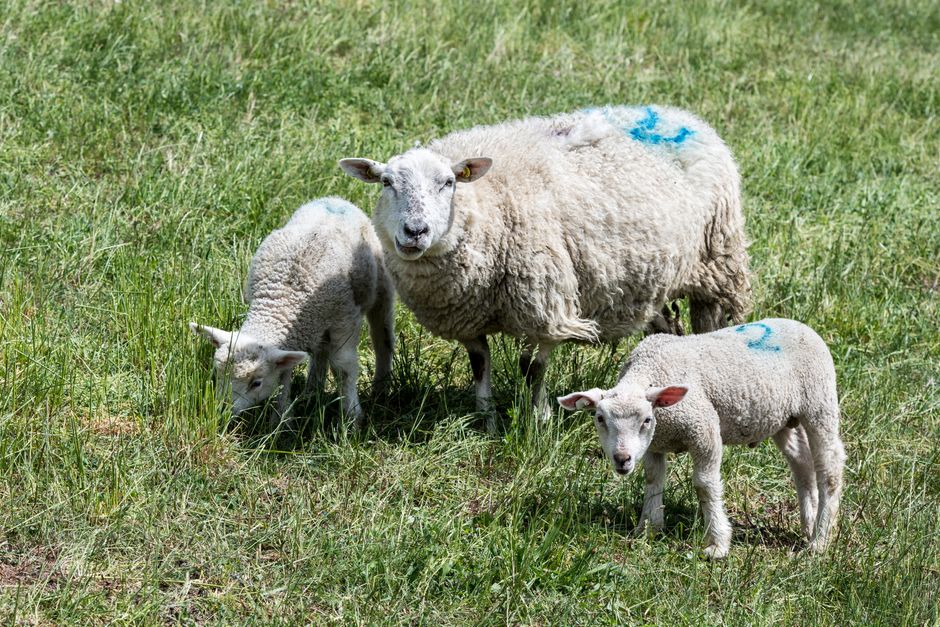
The phrase “farm stay” covers several very different holidays. I use this quick comparison before booking because it stops a family looking for bottle-feeding from accidentally choosing a luxury barn where the animals are only scenery.
| Stay type | What you actually get | Best for | Useful price example |
|---|---|---|---|
| Working farm cottage | Private accommodation on an active farm, with livestock nearby and farm access controlled by the owner | Families who want genuine farm routines | Glascoed Farm Old Farmhouse, sleeps 1-7, listed at £485-£980 per week |
| Farmhouse B&B | A room in or beside the farmhouse, usually with breakfast and more conversation with the owners | Walkers and couples | Llanerchindda Farm, breakfast included, listed at £57-£61.50 per person per night |
| Farm glamping | A pod, dome or shepherd’s hut on farm ground, often with limited indoor space | Couples and short breaks | Humble Dome at Frowen Fields, sleeps 2-6, listed at £90-£110 per night |
| Farm attraction with accommodation | Scheduled animal activities, play areas and accommodation, with a more structured visitor experience | Young children who need activities beyond lambing | Cantref Adventure Farm, where accommodation and seasonal events are priced separately |
These are listing prices, not guaranteed quotes for your dates. The clear winner for a serious lambing visit is the working farm cottage or farmhouse B&B. Pick glamping only if you are happy to spend much of the day outside and can cope with wet clothes in a small space.
Pack for mud, cold and a changed plan
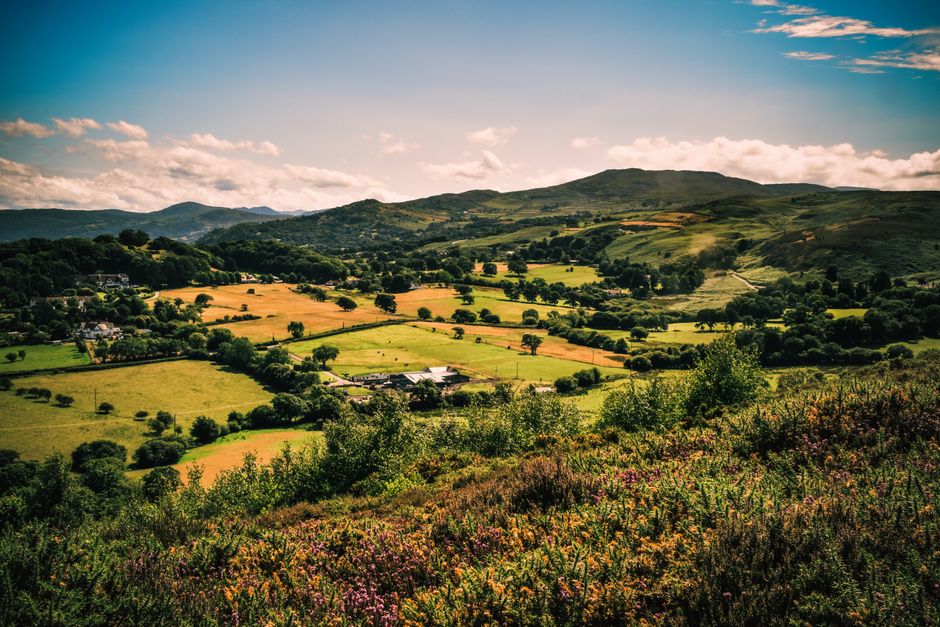
Pack for a working farm, not a country-house photoshoot. Bring waterproof boots with a deep tread, waterproof trousers, a warm mid-layer, gloves, spare socks and clothes that can go straight into a wash. Keep one clean outfit for the car. You may spend only twenty minutes near the lambing shed, then wait for an hour while the farmer deals with an animal or closes a gate, so patience matters as much as clothing. Do not bring sandals, open coats or your best trainers, and do not assume the farm provides boots in every size.
- Use boots that can be washed and disinfected after contact with farm areas.
- Carry a small towel and a waterproof bag for muddy layers.
- Bring a head torch if the host mentions early or evening checks, but use it only where staff permit.
- Pack snacks and water because rural shops may be several miles away.
- Bring binoculars for watching sheep from a distance; they are better than trying to get closer.
- Keep children in bright, close-fitting outerwear that cannot catch on gates or machinery.
Wash your hands before eating, even if you have not touched an animal. If anyone in your group is pregnant, avoid lambing sheds, newborn lambs, ewes that have recently given birth, afterbirth and contaminated bedding. Public Health Wales and the NHS warn about infections linked to contact with sheep during lambing. That is a reason to change the activity, not a detail to ignore.
Farm stays I would shortlist first
For the most authentic experience, I would start with Aberhyddnant Organic Farm near Crai. Its Jacob Sheep Trekking and Farm Experience offers seasonal lambing days, guided animal activities and nearby self-catering accommodation. The farm is a 220-acre organic hill farm in Bannau Brycheiniog, so it suits visitors who want a working landscape rather than a petting zoo. Check the current age guidance, dates and level of hands-on contact before booking because lambing activities change with animal welfare needs.
Best for a comfortable family base
Glascoed Farm’s Old Farmhouse is a strong option for a group that wants space after a muddy day. The Visit Wales listing gives it four bedrooms, four bathrooms, sleeping space for up to seven and a published range of £485-£980 per week. The enclosed garden, farm walks and drying-friendly layout make it more practical for families than a tiny shepherd’s hut. It is a base, not a promise of lambing access, so ask the owner how close the flock will be during your dates.
Best for couples and short stays
Humble Dome at Frowen Fields is the better pick for a couple or small family that likes glamping. The listed rate is £90-£110 per night for two to six people, and the farm keeps rare-breed animals. Cyfie Farm near Lake Vyrnwy offers a more polished self-catering option, with cottages, shepherd’s huts and lodges listed from £400-£1,300 per unit per week. Choose Cyfie for comfort and privacy; choose Aberhyddnant when lambing itself is the main reason for travelling.
My short verdict is simple: book the experience first, then the bed. A beautiful farm cottage with no sheep nearby cannot replace a confirmed, supervised lambing session.
What can go wrong on a Welsh lambing break?
What if there are no lambs during the stay?
This is the most common disappointment. Lambing dates shift, births may happen overnight and farmers may close access when an ewe needs quiet. Treat a lambing stay as a chance to observe farm life, not a wildlife performance with guaranteed sightings. The best hosts explain this before booking and offer a farm walk, feeding demonstration or local alternative if the shed is closed.
Can children bottle-feed lambs?
Only if the farm has vulnerable orphan lambs and the farmer decides that feeding is safe. Healthy lambs should feed from their mothers, and forcing a bottle-feeding activity for visitors is poor practice. St Fagans National Museum of History, for example, states that it uses a no-touch policy around ewes and lambs and does not offer bottle-feeding as a public activity. That may sound less exciting, but it shows respect for animal welfare.
Can I bring my dog?
Do not assume that dog-friendly accommodation means dog-friendly lambing access. Dogs can worry sheep even when they seem calm, and some farms ban them from the farmyard during lambing. Keep your dog on a short lead wherever the owner allows it, close gates and never let it chase livestock. If your dog needs open running space, choose a non-livestock cottage with an enclosed garden instead.
What about phone signal and food?
Remote valleys can have weak mobile service, narrow lanes and no nearby takeaway. Download maps, arrive with groceries and check the route in daylight. A farm stay rewards preparation; it punishes last-minute assumptions.
When should you choose a different spring holiday?
Do not book a lambing farm stay if you want guaranteed animal contact, hotel-style service or a quiet lie-in every morning. Farms work to the animals’ schedule. Tractors may start early, mud may cover the footpath and the farmer may cancel a visit because a ewe needs attention. That is the honest tradeoff.
Choose a rural cottage near a farm attraction if your children need predictable activities and toilets close by. Cantref Adventure Farm in the Brecon Beacons combines seasonal lambing events with play areas, tractor rides and accommodation options, so it is easier for families who need a full day of entertainment. Choose St Fagans National Museum of History near Cardiff if you want a structured lambing visit without sleeping on a farm. Its March 2026 programme at Llwyn-yr-eos Farm is a better fit for a short, planned outing.
Pregnant travellers and people with weakened immune systems should avoid close contact with sheep and lambs during lambing season and choose a scenic cottage, museum visit or distant farm walk instead. That does not make the trip less worthwhile. You can still enjoy Welsh hills, local food, castles and spring landscapes without entering a lambing shed.
For everyone else, the best booking is a clearly described working farm in March or early April, with supervised access, sensible safety rules and a cancellation plan for animal welfare. That is the difference between staying near a farm and actually understanding farm life.