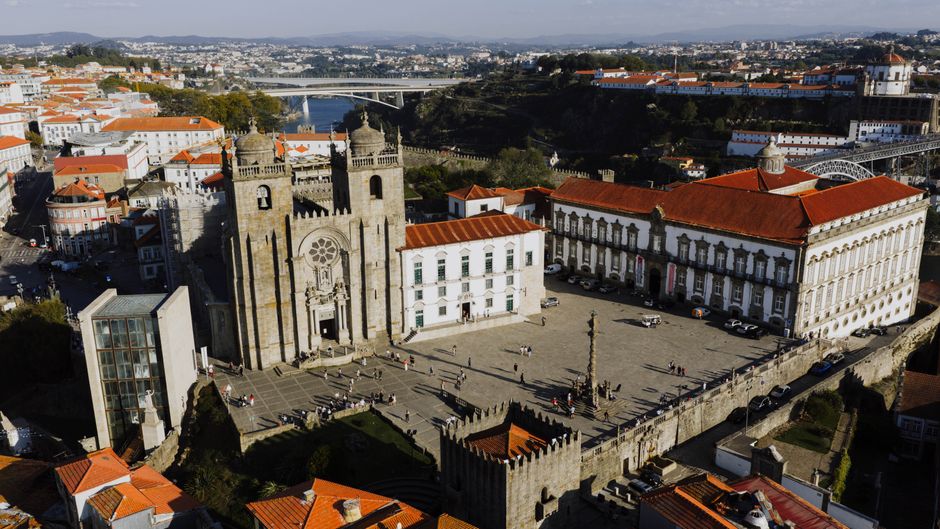
My verdict: late spring is the best time for most first-time visitors to the Douro Valley. The vines are green, the heat has not reached its summer peak, river cruises are running, and the steep roads feel less crowded than they do in July and August. Spend two nights around Pinhão or Régua, use the train for the scenery, and reserve one serious winery visit instead of trying to collect five rushed tastings in one day.
The Douro is not a theme park built around wine. It is a working cultural landscape of terraces, stone walls, villages, olive groves, and small farms. UNESCO recognizes the Alto Douro Wine Region as a World Heritage landscape, and the vineyard hillsides explain why: the river and terraces are the main attraction, while the tasting rooms add context.
How many days do you need in the Douro Valley?
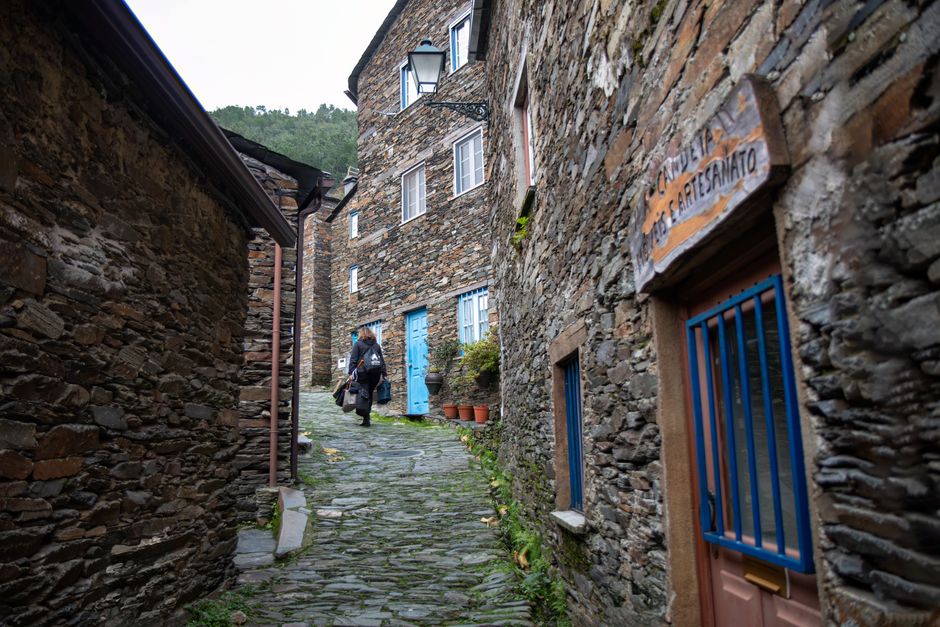
Two nights is the minimum that feels worthwhile
One day is enough to see the river, but not enough to understand the valley. A Porto day trip usually gives you one viewpoint, one winery, one meal, and a short cruise before the return journey begins. That works for a tight schedule, but it leaves no room for a slow morning, a village detour, or bad weather. I would choose two nights in Pinhão or Régua before adding another rushed attraction to a day trip.
Three nights is the better answer
Three nights create a useful rhythm: arrive by train or car, spend the next day at a winery and on the river, then use the final morning for a viewpoint or a short walk. Pinhão suits travelers who want vineyard scenery outside the door and easy access to small cruises. Régua works better for people who want more restaurants, a larger transport hub, or a cruise that starts in town. Porto remains the right base only when you cannot spare an overnight stay. For a late-spring trip, my clear recommendation is two nights in Pinhão and a third night in Porto or Régua, depending on your onward route.
Train, car, or cruise: which Douro route actually works?
The train wins for scenery and price
For independent travelers, I pick the Linha do Douro train from Porto Campanhã to Pinhão. The ride takes roughly two hours and fifteen minutes to two hours and twenty-five minutes on a direct service, and the adult one-way fare listed by CP for 2026 is about €12.45. The railway follows the river for long stretches, so you see the valley changing from urban Porto to green hills, then to tighter terraces and exposed schist slopes. Sit on the river side when possible, but do not waste the trip fighting for one perfect seat.
The weakness is frequency. A late arrival can leave you waiting a long time for the next connection, and a train delay can affect a pre-booked tasting. Check the current timetable shortly before travel using CP’s published Porto–Pocinho fare table and timetable notices.
Use a car only for viewpoints and scattered estates
A rental car becomes worthwhile when you want São Leonardo da Galafura, the Tua Valley, small villages, and wineries away from Pinhão. It is a poor choice for wine tasting if nobody in the group wants to stay sober. The roads are narrow, steep, and full of blind bends. A driver who treats the valley like a fast scenic route will miss the landscape and make the day stressful.
| Option | Typical 2026 cost | Best for | Main drawback |
|---|---|---|---|
| CP Linha do Douro | About €12.45 one way to Pinhão | Scenery, low cost, independent travel | Limited departures and less access to remote estates |
| Living Tours Douro Valley Wine Tour | From €105; about 10 hours | First-time visitors who want transport, lunch, tastings, and a cruise | Fixed schedule and less quiet time |
| Douro.com Régua–Porto–Régua cruise | From €71 weekday or €87 weekend in May | Travelers who want a full river day with lunch | Long day and coach return to Régua |
| Rental car | Plan roughly €45–€80 per day before fuel and insurance | Viewpoints, remote quintas, and flexible routing | Driving after tastings is unsafe and tiring |
My winner is the train for a couple staying in Pinhão, and a guided day tour for anyone sleeping in Porto. A full river cruise makes sense only if the boat itself is the main event.
Build a late-spring Douro itinerary that does not waste daylight
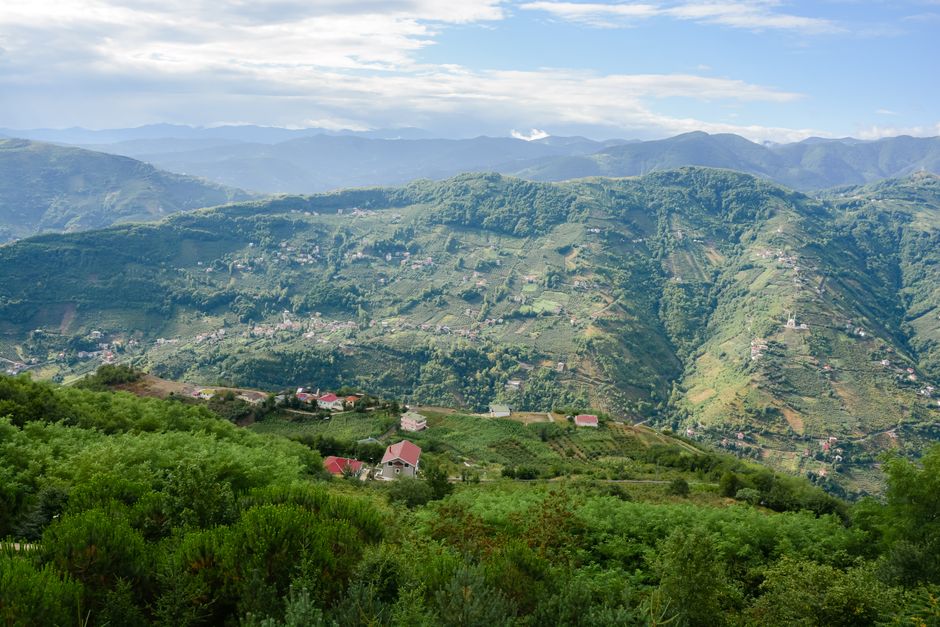
Day 1: arrive slowly and stay near the river
- Morning: Take the CP train from Porto Campanhã, or drive only if you plan several remote stops. Keep your first day light because the journey already provides the first major view of the valley.
- Midday: Check in around Pinhão or Régua and eat before booking any tasting. Many visitors make the mistake of arriving hungry, tasting fortified wine, and then discovering that every nearby kitchen closes between lunch and dinner.
- Afternoon: Walk along the Pinhão waterfront, see the blue-and-white tile panels at Pinhão station, or take a short local cruise. A one-hour boat trip is enough for an introduction; you do not need a full-day cruise immediately after a train ride.
Day 2: give the winery day one clear purpose
- Morning: Reserve one quinta with a vineyard view and a structured tasting. Ask how many wines are included, if lunch requires a separate reservation, and how you will return to town.
- Afternoon: Choose either a viewpoint or a river cruise. Do not stack both with a distant estate unless you have a driver. The Douro’s roads turn short map distances into long journeys.
- Evening: Eat in town and keep the night quiet. Late spring offers beautiful sunset light, but a second tasting after dinner rarely improves the trip.
For a packaged option, Living Tours lists a 10-hour Douro Valley wine tour from €105 with two wineries, tastings, lunch, and a Pinhão cruise. That is useful for a Porto-based visitor who wants the logistics solved in one day. For an overnight stay, I prefer booking the components separately so the valley does not become a checklist.
Day 3: choose one final landscape
Use the last morning for São Leonardo da Galafura, a short walk near Régua, or a slow breakfast overlooking the river. If your trip reaches June, the CP Douro Historical Train is a separate experience rather than a replacement for the regular train. In 2026, CP lists adult tickets at €60 and child tickets at €32, with a shorter heritage-rail format and onboard cultural programming. I would buy it for railway enthusiasts, not for travelers who simply need transport from Porto to Pinhão.
Which Douro experience should you book?
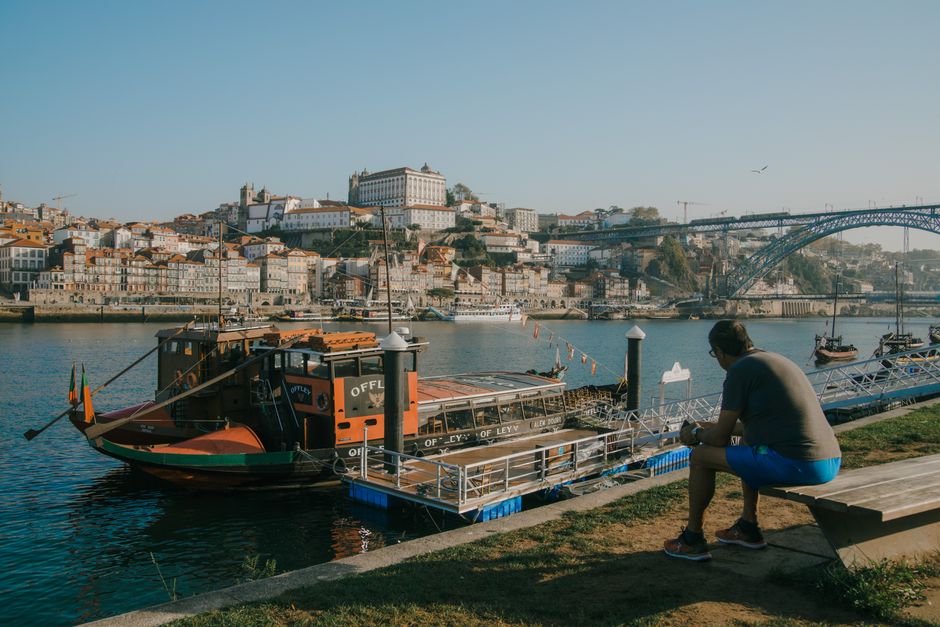
Is Pinhão or Régua the better base?
Pinhão is my pick for atmosphere. The town sits inside the vineyard scenery, the station is memorable, and short cruises leave directly from the waterfront. Choose Régua if you want more practical transport, a wider restaurant choice, or a cruise itinerary that starts and ends there. Neither town gives you a big-city nightlife scene, and that is part of the point.
Should you buy a Porto day tour?
Buy one if you have only one free day, do not want to drive, and care about combining a winery, lunch, and a short cruise. The Living Tours 10-hour package from €105 is a reasonable benchmark for that bundle. I would not book it for a three-night stay because the fixed schedule sacrifices the quiet mornings and unplanned viewpoints that make the valley memorable.
Is a long cruise better than the train?
Choose the cruise when you want a slow day with lunch and locks as the central experience. The Douro.com Régua–Porto–Régua service lists May prices from €71 on weekdays and €87 on weekends, with a coach return. Choose the train when you want to control your time, spend the night in Pinhão, and see the river from changing angles. The CP Historical Train, at €60 for adults in 2026, is a special heritage outing and not the best-value transport.
| Your priority | Best choice | Why |
|---|---|---|
| Lowest cost and best independent scenery | CP Linha do Douro to Pinhão | About €12.45 one way and excellent river views |
| One easy day from Porto | Living Tours wine tour | Transport, two wineries, lunch, tastings, and a cruise in about 10 hours |
| Boat time and a long lunch | Douro.com Régua–Porto–Régua | Full-day river experience from €71 on May weekdays |
| Railway history | CP Douro Historical Train | €60 adult ticket in 2026 with heritage programming |
| Remote viewpoints and flexible stops | Rental car with a sober driver | Best reach, but the most demanding option on steep roads |
The compressed answer is simple: stay two nights, take the train, reserve one winery properly, and leave one half-day open. Late spring rewards travelers who slow the itinerary down enough to see the valley rather than just pass through it.