The first time I packed for a winter train-and-flight trip, I treated warmth as a single-item problem. I wore the thickest sweater I owned and carried a heavy coat. It worked outdoors. Inside the station it became a damp, bulky nuisance, and the sweater took up half my bag when I removed it.
Since then, I have planned cold-weather travel around transitions rather than the forecast alone. The day may begin on a windy platform, continue in a warm carriage and finish with a walk from a rural station. Clothing has to respond to all three. A good layering system lets one piece come off without dismantling the whole outfit.
Start with the layer you cannot easily change
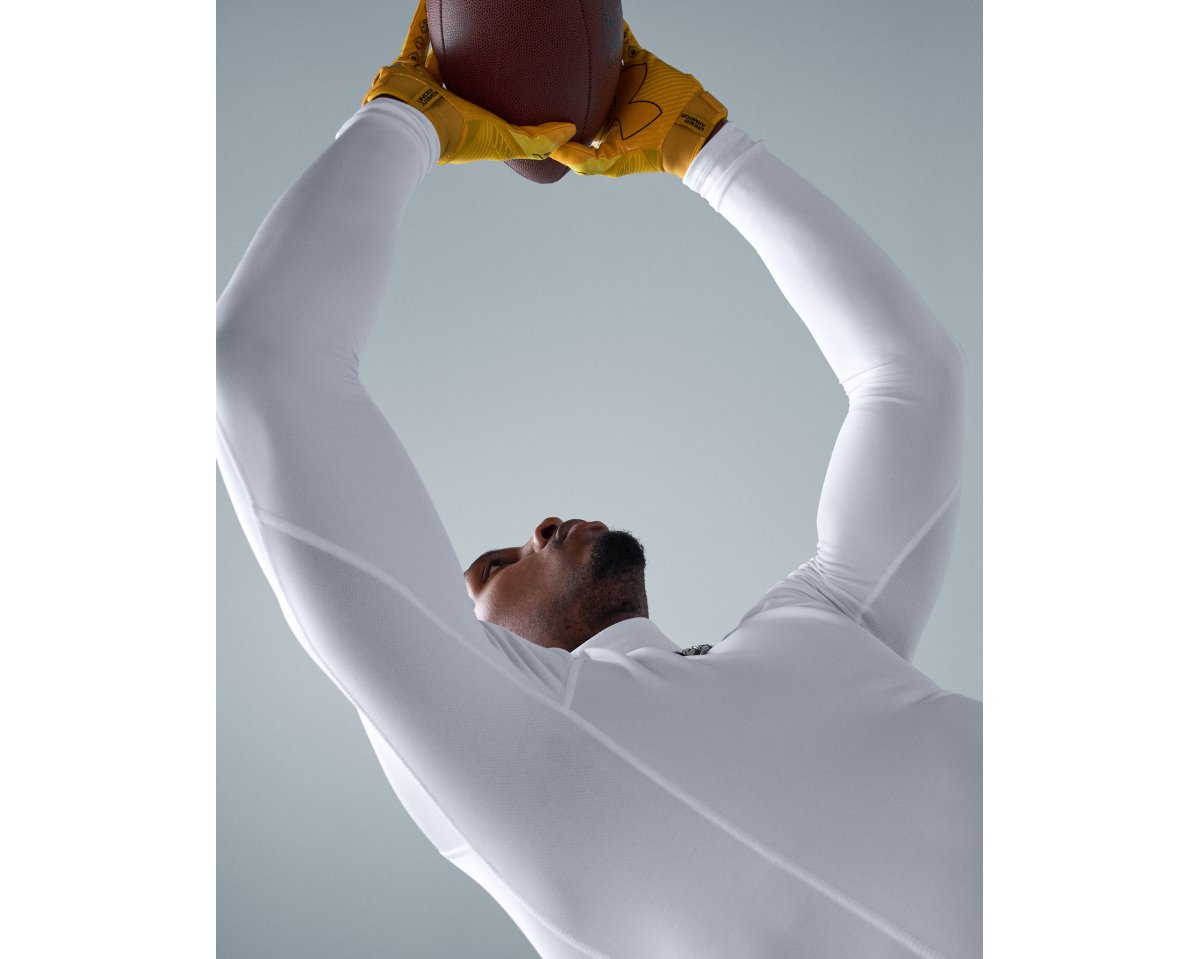
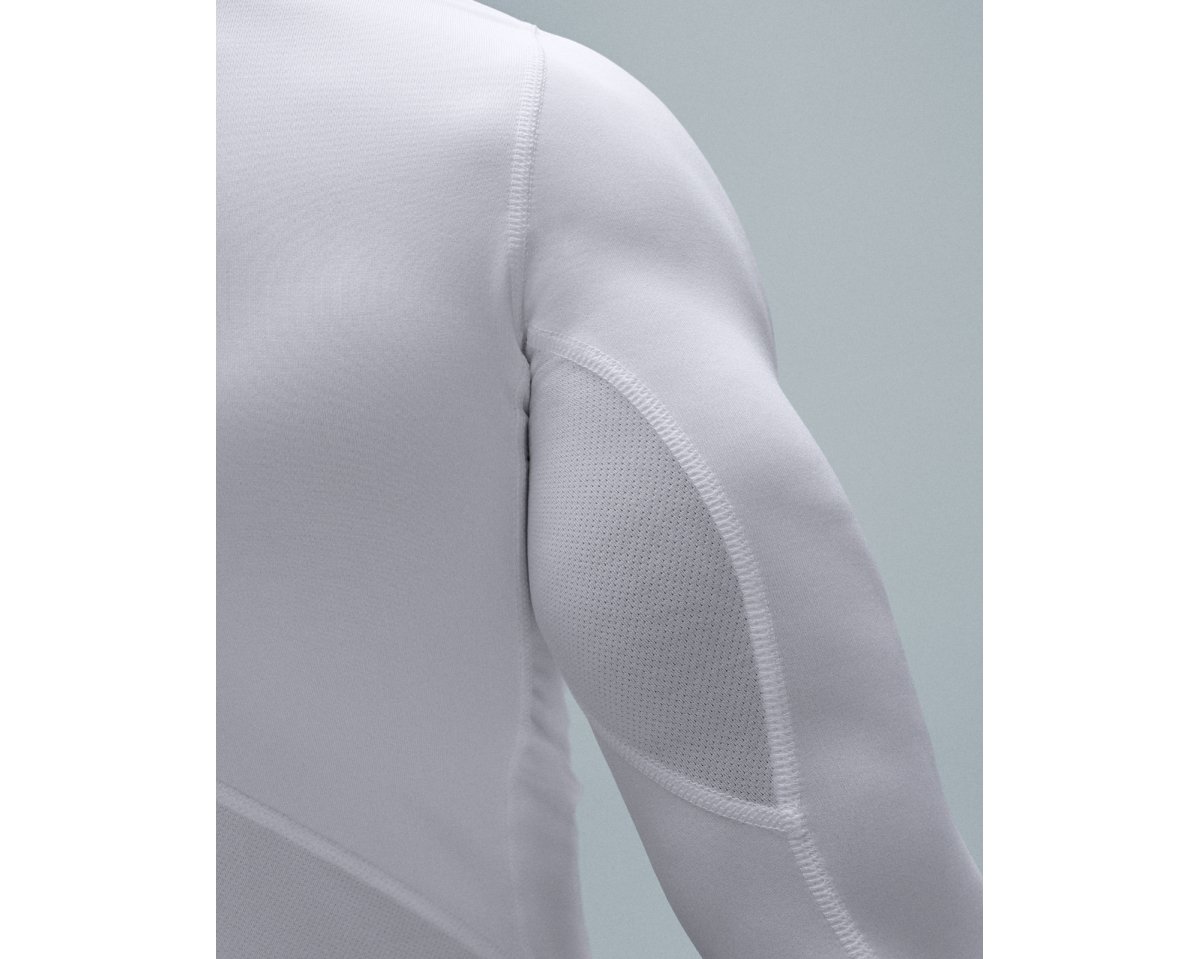
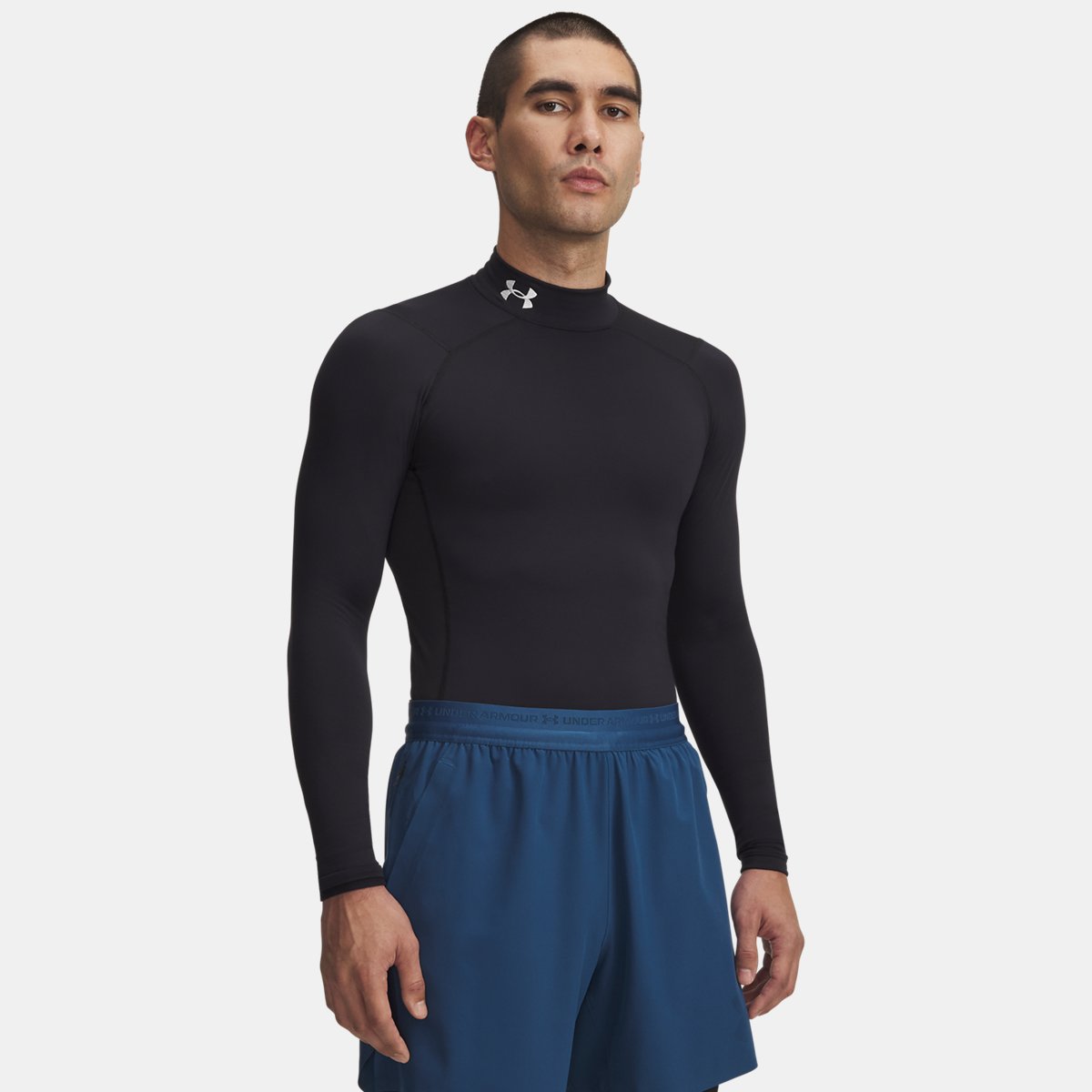
The base layer sits closest to the skin and is usually the least convenient item to replace during the day. That makes comfort more important than drama. Under Armour describes ColdGear as a dual-layer fabric with a brushed interior for warmth and a fast-drying exterior that moves moisture. The close fit is designed to sit under other clothing without adding the bulk of a second sweater.
For travel, I look for three practical details: a neckline that does not rub under a jacket, sleeves that stay put when another layer goes on, and enough stretch to reach an overhead rack without the hem climbing up. ColdGear pieces also use stretch construction intended to move in multiple directions, which matters more on a long travel day than it sounds.

The three-part travel formula
Base: manage the indoor hours
Choose a close, smooth layer that can be worn alone if the cabin or café is warm. The goal is steady comfort, not maximum insulation.
Mid: add removable warmth
Use a fleece, light knit or zip layer that can be folded into a tote. A full zip is fastest; a quarter zip gives useful ventilation without taking the piece off.
Shell: answer the weather
Let the outer layer handle wind and rain. Keeping that job separate means the inner pieces do not have to be excessively thick.
Sit with your bag for five minutes, lift both arms, zip the coat, then remove the mid-layer without taking off your shoes or unpacking. Any bunching, pulling or awkward piece will be more irritating after three hours.
Build around the coldest exposed moment
I no longer dress for the average temperature of the trip. I dress for the coldest unavoidable section: waiting for a delayed bus, walking across an open car park or standing on a station platform before sunrise. Then I make sure the middle layer can disappear once I am indoors.
This is also why a slim base layer is useful even when the destination is not athletic. It can sit under an ordinary overshirt, travel dress or wool sweater. The performance fabric does its job quietly while the visible layer still looks appropriate for lunch, a museum or a small-town hotel.
My packing table for a mixed indoor-outdoor day
| Part of the day | What stays on | What changes |
|---|---|---|
| Outdoor departure | Base, mid-layer and shell | Gloves and scarf stay accessible |
| Terminal or train | Base and light mid-layer | Shell folds over the bag handle |
| Long seated stretch | Base layer | Mid-layer becomes a pillow if needed |
| Rural arrival | All three layers | Add hat before leaving the building |
Small decisions that prevent an overpacked bag
Keep the colors compatible so every warm piece works together. Avoid packing two items that perform exactly the same job. If both a heavy sweatshirt and thick sweater are competing for the middle position, one of them usually returns home unworn. I would rather take one reliable mid-layer and a thin base that can be washed overnight.
Care matters too. Under Armour advises cold washing for many performance pieces and avoiding fabric softener, which can interfere with moisture-management fibers. On the road, I rinse a base layer early enough for it to dry naturally rather than testing a hotel dryer at the last minute. Always check the label for the specific garment.
Pack for transitions, not a single temperature
Review the current ColdGear and cold-weather options, then choose the fit and coverage that suit the way you actually travel. Product availability and colors can change, so check the current details before ordering.