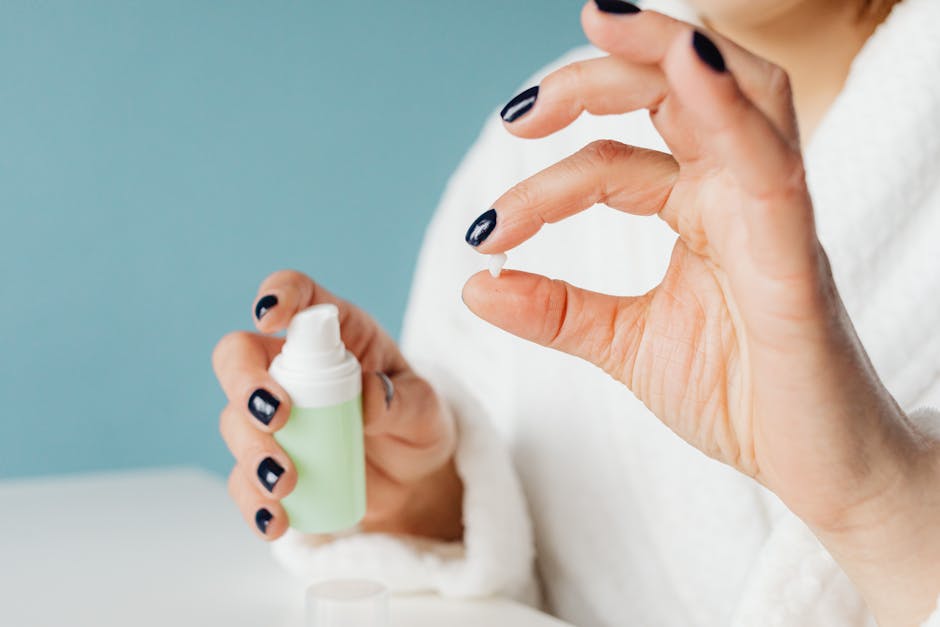
You’ve seen the advertisements: wrinkle-free skin, glowing complexion, a complete transformation after just a few uses. It’s easy to believe an anti-aging serum is a magic potion, ready to erase years overnight. This is perhaps the biggest misconception in skincare, and it sets people up for disappointment. Anti-aging serums are powerful tools, yes, but they aren’t quick fixes. Effective results come from understanding what you’re using, applying it correctly, and, crucially, having patience. Think of it less as a miracle and more as a long-term investment in your skin’s health.
Instead of chasing instant perfection, focus on consistent, targeted care. A serum like the Mamaearth Anti-Aging Serum, for example, offers specific ingredients designed to support skin resilience over time. The real magic happens when you integrate such a product thoughtfully into a broader, well-informed skincare regimen. Skipping steps or expecting dramatic changes in days will only lead to frustration. True anti-aging benefits manifest gradually, building block by block, as your skin responds to active ingredients.
Stop Expecting Overnight Miracles from Anti-Aging Serums
Many people start using an anti-aging serum with high hopes for rapid change. They apply it for a week, maybe two, and then feel let down when fine lines haven’t vanished or skin texture hasn’t dramatically smoothed out. This expectation is a common barrier to success. Skincare is a marathon, not a sprint. The biological processes involved in skin regeneration, collagen production, and cellular turnover simply do not happen overnight. Active ingredients need time to penetrate, interact with skin cells, and initiate beneficial changes.
For example, if you’re using a serum with ingredients like retinoids or peptides, these compounds are working at a cellular level to stimulate collagen synthesis or improve cell communication. This isn’t a surface-level fix; it’s a deep restructuring. These processes naturally take weeks, sometimes months, to show visible results. Setting realistic expectations from the start ensures you stay consistent, which is the ultimate secret to achieving any meaningful improvement in your skin’s appearance.
Why “Instant Results” Claims Are Misleading
Marketers often highlight immediate effects like a temporary plumping or brightening. This can be misleading. Ingredients like hyaluronic acid can provide instant hydration, temporarily making fine lines appear less noticeable by plumping the skin with water. Similarly, some brightening ingredients might offer a superficial glow. These are not true anti-aging results. Genuine anti-aging means reducing the depth of wrinkles, improving skin elasticity, evening tone, and stimulating long-term cellular health. These changes require sustained product use.
When a product promises “instant wrinkle reduction,” it’s often referring to a temporary cosmetic effect, not a biological reversal of aging signs. Always differentiate between immediate, superficial improvements and genuine, lasting cellular benefits. Focus on the ingredient list and the science behind how those ingredients work rather than sensationalist claims.
The Timeline for Visible Skin Improvements
Understanding the typical timeline for different active ingredients is crucial. For ingredients like Vitamin C, you might see improvements in brightness and tone within 4-6 weeks. Retinoids, which are powerful for collagen stimulation and cell turnover, usually require 8-12 weeks of consistent use before significant changes in fine lines and texture become apparent. Peptides often take 6-8 weeks to start showing benefits for firmness and elasticity. Hydrating ingredients like hyaluronic acid offer more immediate (within days) plumping effects, but their long-term benefits for skin barrier health also build over weeks.
Consistency is key. Missing applications or switching products too frequently disrupts this timeline and prevents ingredients from doing their job. Stick with a product for at least two to three months before deciding if it’s effective for your skin. Only then can you make an informed decision about its efficacy.
Finding Your Match: Which Anti-Aging Serum Suits Your Skin?

Choosing the right anti-aging serum is less about picking the most expensive option and more about matching the serum’s active ingredients to your specific skin type and concerns. Not all anti-aging ingredients work the same way, and what’s excellent for oily, acne-prone skin might be irritating for dry, sensitive skin. Understanding your skin’s needs—whether it’s dryness, oiliness, sensitivity, hyperpigmentation, or deep wrinkles—is the first practical step.
For example, if you have sensitive skin, strong retinoids might be too aggressive initially. You might start with bakuchiol, a gentler alternative, or a lower concentration of retinol. Oily skin types might benefit from lighter, water-based serums, while drier skin might prefer richer, oil-based formulations. Always consider your primary concerns: are you targeting fine lines, firmness, dark spots, or overall radiance? Different ingredients excel at different tasks.
Decoding Active Ingredients for Your Skin Goals
The world of anti-aging ingredients can feel overwhelming, but a few key players dominate the field. Knowing what each does helps you target your concerns directly:
- Retinoids (Retinol, Retinaldehyde, Tretinoin): Best for accelerating cell turnover, stimulating collagen, and reducing fine lines, wrinkles, and hyperpigmentation. Can be irritating, so start slow.
- Vitamin C (Ascorbic Acid, Tetrahexyldecyl Ascorbate): A powerful antioxidant that brightens skin, reduces dark spots, and boosts collagen. Great for radiance and protecting against environmental damage.
- Peptides: Chains of amino acids that signal skin cells to produce more collagen, elastin, and other proteins. Excellent for firmness and elasticity, generally well-tolerated.
- Hyaluronic Acid: A humectant that draws moisture into the skin, plumping it up and reducing the appearance of fine lines due to dehydration. Suitable for all skin types, especially dry.
- Niacinamide (Vitamin B3): Improves skin barrier function, reduces redness and inflammation, minimizes pore appearance, and helps with overall skin tone. Very versatile and well-tolerated.
- Bakuchiol: A plant-derived ingredient often touted as a natural alternative to retinol. Offers similar benefits for collagen production and fine lines, with less irritation.
Ingredient Breakdown: Retinol vs. Peptides vs. Vitamin C
Here’s a quick comparison to guide your choice:
| Ingredient | Primary Benefit | Ideal Skin Type | Potential Side Effects |
|---|---|---|---|
| Retinol | Reduces wrinkles, improves texture, fades spots | Normal, Oily, Mature (start cautious with Sensitive) | Redness, dryness, peeling, sun sensitivity |
| Peptides | Boosts collagen, improves firmness & elasticity | All skin types, including Sensitive | Generally none |
| Vitamin C | Brightens, evens tone, antioxidant protection | All skin types, especially Dull, Uneven Tone | Mild tingling (rarely irritation) |
| Hyaluronic Acid | Deep hydration, plumps fine lines | All skin types, especially Dry, Dehydrated | None |
| Niacinamide | Strengthens barrier, reduces redness & pores | All skin types, especially Acne-prone, Redness-prone | Mild flushing (rarely) |
| Bakuchiol | Retinol-like effects, less irritation | Sensitive, Dry, or those avoiding Retinol | Rare mild irritation |
Consider combining ingredients if you have multiple concerns. For example, Vitamin C in the morning for antioxidant protection and a retinoid or bakuchiol at night for cellular renewal.
The Science Behind Youthful Skin: Key Ingredients Explained
Understanding *how* anti-aging ingredients work helps solidify their importance in your routine. It moves beyond just applying a product to strategically targeting specific biological pathways in your skin. The skin, our largest organ, constantly renews itself, but this process slows with age, leading to visible signs like wrinkles, loss of elasticity, and hyperpigmentation. Effective anti-aging ingredients intervene in these processes, either by stimulating new collagen, protecting against damage, or enhancing hydration.
For example, sunlight is a major culprit in accelerating skin aging. UV radiation generates free radicals, unstable molecules that damage DNA and collagen. Antioxidants like Vitamin C neutralize these free radicals, acting as a crucial defense mechanism. Similarly, the structural integrity of our skin relies heavily on collagen and elastin. As we age, their production diminishes, and existing fibers degrade. Ingredients like retinoids and peptides directly address this by signaling cells to produce more of these vital proteins, essentially rebuilding the skin’s support structure from within. This isn’t just cosmetic; it’s about restoring fundamental skin health.
How Retinoids Work at a Cellular Level
Retinoids, derivatives of Vitamin A, are considered the gold standard in anti-aging by many dermatologists. Their power comes from their ability to interact directly with skin cells. When applied, retinoids convert to retinoic acid, which then binds to specific receptors within skin cells. This interaction influences gene expression, prompting cells to behave more like younger, healthier cells.
Specifically, retinoids:
1. **Increase Cell Turnover:** They speed up the rate at which old, damaged skin cells are shed and replaced with new ones. This helps unclog pores, smooth texture, and reduce hyperpigmentation.
2. **Stimulate Collagen Production:** They activate fibroblasts, the cells responsible for producing collagen and elastin. This helps to thicken the dermis, reduce the appearance of fine lines and wrinkles, and improve skin firmness.
3. **Reduce Hyperpigmentation:** By speeding up cell turnover, they help to shed melanin-rich cells, fading dark spots and evening out skin tone.
It’s this deep cellular action that makes retinoids so effective but also requires time and careful introduction to avoid irritation.
The Power of Hyaluronic Acid and Peptides
Beyond retinoids, other ingredients play equally vital roles. **Hyaluronic Acid (HA)** is a star for hydration. It’s a humectant, meaning it draws moisture from the air and deeper layers of the skin to the surface. A single molecule of HA can hold up to 1,000 times its weight in water. This intense hydration plumps up the skin, making fine lines less noticeable and giving the skin a smoother, dewy appearance. It also supports the skin’s barrier function, making it more resilient to environmental stressors. Brands like The Ordinary offer various HA serums, often differentiating by molecular weight to target different skin layers.
**Peptides**, on the other hand, are the skin’s communicators. These short chains of amino acids act as messengers, telling skin cells to perform specific functions. For anti-aging, signal peptides are particularly important as they can encourage collagen synthesis, similar to how retinoids work but often with less irritation. Carrier peptides help deliver trace elements to wounds, aiding in repair, while enzyme-inhibitor peptides can slow down the breakdown of collagen. Products from brands like Paula’s Choice often feature complex peptide blends aimed at improving firmness and elasticity without the strong initial reactions sometimes associated with retinoids.
Your Daily Routine: How to Apply Anti-Aging Serum Correctly

Even the best serum won’t deliver results if not applied correctly. It’s not just about slapping it on; it’s about preparing your skin to absorb the active ingredients optimally and layering products in the right order. Think of your skincare routine as building layers, each one preparing the canvas for the next. This careful application maximizes the efficacy of your anti-aging serum and ensures you get the most out of every drop.
Consistency is . Applying serum once a week won’t cut it. Integrate it into your morning or evening routine, or both, depending on the product’s instructions and your skin’s tolerance. Establishing a fixed schedule helps ensure you don’t miss applications and allows your skin to adapt to the active ingredients steadily. This systematic approach is a practical guide to achieving noticeable improvements.
Prepping Your Skin: Cleansing and Toning
- Cleanse: Start with a gentle cleanser to remove makeup, dirt, and impurities. A clean canvas allows your serum to penetrate effectively. Use lukewarm water, not hot, to avoid stripping your skin’s natural oils. Brands like CeraVe Hydrating Cleanser (around $15 for 16 fl oz) or Cetaphil Gentle Skin Cleanser (around $12 for 16 fl oz) are excellent, non-irritating options for all skin types.
- Tone (Optional but Recommended): A toner can help balance your skin’s pH and provide an extra layer of hydration or exfoliation, depending on its ingredients. For anti-aging, a hydrating toner with ingredients like hyaluronic acid or ceramides is beneficial. Apply with a cotton pad or by gently pressing into your skin. Avoid harsh, alcohol-based toners that can dry out the skin. Products like the Klairs Supple Preparation Facial Toner (around $22 for 180ml) are popular for their gentle, hydrating properties.
Layering Your Skincare: Serum Order Matters
The general rule for layering is thinnest to thickest consistency. Your anti-aging serum usually comes after cleansing and toning, but before heavier creams or oils.
- Apply Serum: Dispense 2-3 drops of your anti-aging serum into your palm. Gently press the serum onto your face and neck, avoiding harsh rubbing. Allow it to fully absorb for 60 seconds. If using multiple serums (e.g., a Vitamin C serum in the morning and a retinol serum at night), apply them one at a time, allowing each to absorb before moving to the next. For instance, if you use a hydrating serum first, let it absorb, then apply your active anti-aging serum.
- Moisturize: After your serum has absorbed, apply a moisturizer to lock in the active ingredients and provide additional hydration. Choose a moisturizer suited for your skin type. For dry skin, a richer cream like the La Roche-Posay Toleriane Double Repair Face Moisturizer (around $20 for 2.5 fl oz) works well. For oily skin, a lighter gel moisturizer is ideal.
- Sun Protection (Morning Only): This step is non-negotiable, especially when using active anti-aging ingredients like retinoids or Vitamin C, which can increase sun sensitivity. Apply a broad-spectrum sunscreen with an SPF of 30 or higher as the very last step in your morning routine. The Supergoop! Unseen Sunscreen SPF 40 (around $38 for 1.7 fl oz) is a great option for its lightweight, non-greasy finish.
Inside Mamaearth’s Approach: Ingredients & Promises
When considering a specific product like the Mamaearth Anti-Aging Serum, it’s essential to look beyond the general claims and examine its actual ingredient list. Mamaearth often positions itself on using natural and toxin-free ingredients. This approach offers a distinct philosophy in the anti-aging space, particularly for consumers seeking alternatives to synthetic active ingredients.
The Mamaearth Anti-Aging Serum typically highlights ingredients like Bakuchiol, Hyaluronic Acid, and sometimes Collagen or various plant extracts. The reliance on Bakuchiol, in particular, showcases their commitment to a gentler, plant-based route for anti-aging. While effective, this approach can mean different results compared to traditional, clinically proven powerhouses like synthetic retinoids.
Bold opinion: The Mamaearth Anti-Aging Serum focuses on natural alternatives, which offers specific benefits like reduced irritation, but consumers should manage expectations regarding the speed and intensity of results compared to more aggressive synthetic actives like Tretinoin. It’s a suitable choice for those with sensitive skin or who prefer a ‘cleaner’ ingredient profile.
Bakuchiol: A Retinol Alternative?
Bakuchiol is a compelling ingredient found in many natural-focused anti-aging products, including Mamaearth’s serum. It’s derived from the babchi plant and has gained popularity for its ability to mimic some of the benefits of retinol without the common side effects such as redness, peeling, and increased sun sensitivity. Studies suggest bakuchiol can stimulate collagen production, reduce the appearance of fine lines and wrinkles, and improve skin elasticity. It also possesses antioxidant and anti-inflammatory properties.
For individuals with sensitive skin, or those who are pregnant or breastfeeding and advised to avoid retinoids, bakuchiol offers a fantastic alternative. However, it’s important to understand that while its benefits are similar, its potency might not be identical to prescription-strength retinoids. Brands like Herbivore Botanicals also feature bakuchiol in their serums (e.g., Herbivore Bakuchiol Retinol Alternative Serum, around $54 for 1 oz), indicating its growing acceptance in mainstream skincare as a gentler option.
Other Key Ingredients in Mamaearth’s Formulation
Beyond Bakuchiol, Mamaearth’s anti-aging serum often includes other supportive ingredients to enhance its overall effect:
- Hyaluronic Acid: As discussed, this is a powerful humectant that provides intense hydration, plumping the skin and reducing the appearance of fine lines caused by dehydration. It works synergistically with other actives to maintain skin comfort.
- Collagen (often plant-derived or vegan): While topically applied collagen doesn’t directly replace the collagen in your dermis, it can act as an excellent humectant and film-former on the skin’s surface, helping to reduce trans-epidermal water loss and provide a temporary smoothing effect.
- Various Plant Extracts: Mamaearth frequently incorporates a range of botanical extracts, which can offer antioxidant benefits, soothing properties, or act as natural humectants. These contribute to the “natural” appeal of their products.
The combination of these ingredients aims to provide a holistic approach to anti-aging: stimulating renewal with Bakuchiol, hydrating deeply with Hyaluronic Acid, and protecting with antioxidants from plant extracts. This blend makes it a good option for daily use, especially for those prioritizing natural ingredients and gentle efficacy.
Is It Working? Tracking Progress and Knowing When to Adjust
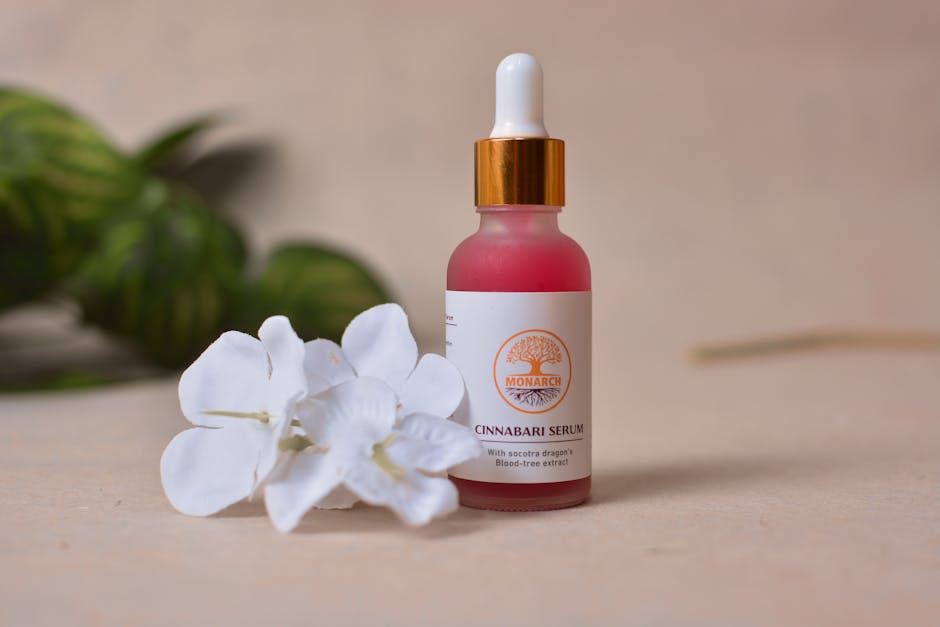
After investing time and money into an anti-aging serum, you naturally want to know if it’s actually doing anything. Simply looking in the mirror day-to-day might not reveal subtle changes, so a more systematic approach to tracking progress is helpful. This involves paying attention to specific skin metrics and understanding the expected timeline for results. Just as importantly, you need to recognize when a product isn’t working for you, or when it’s time to explore other options. This practical self-assessment ensures your skincare routine remains effective and responsive to your skin’s evolving needs.
Don’t be afraid to adjust. Skincare isn’t a one-and-done solution. Your skin changes with seasons, stress, diet, and age. What worked last year might not be optimal this year. Being proactive in evaluating and modifying your routine will yield better long-term results than blindly sticking to the same products indefinitely.
What visible signs should I look for?
Look for improvements in several key areas, rather than just one dramatic change:
- Skin Texture: Does your skin feel smoother, softer, and more refined? Reduced roughness and a more even surface are good indicators.
- Hydration and Plumpness: Does your skin feel less dry and tight? Is it looking more supple and “filled out,” especially around fine lines?
- Evenness of Tone: Are dark spots or areas of hyperpigmentation appearing lighter? Is your overall complexion more radiant and less dull?
- Fine Lines and Wrinkles: While deep wrinkles won’t disappear, fine lines might appear softer, shallower, or less pronounced, especially those caused by dehydration.
- Elasticity/Firmness: Does your skin feel a bit firmer, with less slackness? This can be harder to spot but contributes to a more youthful appearance.
It’s helpful to take “before” photos in consistent lighting every 4-6 weeks to objectively compare progress. Sometimes, gradual changes are only visible when looking back at earlier images.
How long until I see a difference?
As discussed, patience is key. For most anti-aging serums, expect to see initial changes within 6-8 weeks, with more significant results becoming apparent after 12-16 weeks of consistent daily use. Here’s a general breakdown:
- 1-2 Weeks: You might notice better hydration, a slight glow, or improved absorption of other products.
- 4-6 Weeks: Subtle improvements in texture and brightness. Fine lines due to dehydration might look softer.
- 8-12 Weeks: More noticeable reductions in fine lines, improved skin tone, and possibly better firmness if using collagen-boosting ingredients.
- 12+ Weeks: This is when the true, long-term benefits of ingredients like retinoids or peptides become evident.
If you’re not seeing *any* of these subtle improvements after 12 weeks, it might be time to re-evaluate.
When should I consider switching serums?
Consider switching if:
- No Visible Improvement: You’ve used the serum consistently for 3-4 months, and there are no discernible positive changes in any of the key metrics.
- Irritation or Breakouts: The serum consistently causes redness, itching, burning, excessive dryness, or new breakouts, despite careful introduction.
- New Skin Concerns: Your skin’s needs have changed (e.g., it’s become much drier, or you’re now targeting new concerns like severe hyperpigmentation that your current serum isn’t addressing).
- Formulation Changes: The brand changes the product’s formulation, and your skin no longer responds well to it.
Before switching entirely, try adjusting your application method (e.g., using less product, applying it less frequently) or combining it with more soothing products. If issues persist, exploring a serum with different active ingredients or a different concentration might be the next logical step.
The Mamaearth Anti-Aging Serum Verdict
The Mamaearth Anti-Aging Serum stands out for its commitment to natural ingredients, particularly Bakuchiol. It offers a gentle yet effective option for those seeking to address early signs of aging or for individuals with sensitive skin who find traditional retinoids too harsh. For consistent, long-term skin health, this serum can be a valuable component of a well-rounded routine, especially when paired with diligent cleansing, moisturizing, and sun protection. While it may not deliver the aggressive results of high-potency synthetic formulations, its approach provides a comforting and non-irritating pathway to improved skin texture and firmness over time.