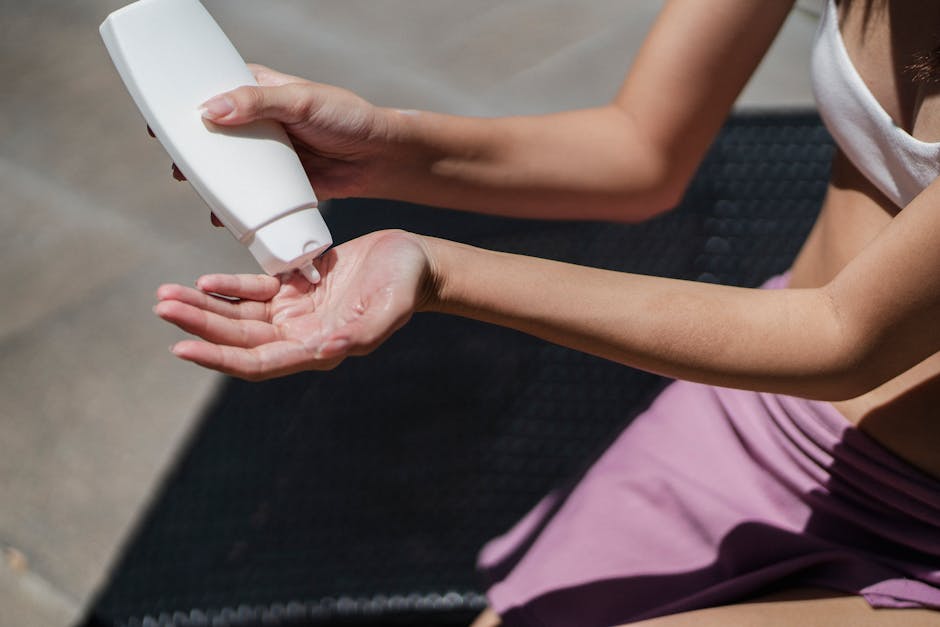
Alright, let’s talk Nivea and dry skin. You’ve seen the blue tins, the sleek bottles. Nivea’s everywhere, affordable, and a household name. But when your skin is genuinely dry—flaky, tight, itchy—does Nivea actually deliver? Or is it just another pretty face on the drugstore shelf? Most people grab whatever Nivea is on sale and expect miracles. That’s your first mistake.
Dry skin isn’t just “a little parched.” It’s a barrier issue. It’s discomfort. And it needs specific help. Not all Nivea products are created equal for this problem. Some are fine for normal skin, maybe slightly dry. Others? They’re the workhorses you need. Let’s get to what works and what doesn’t, quickly.
Most Nivea Lotions Don’t Cut It for Truly Dry Skin. Here’s Why.
Here’s the deal: if your skin feels like sandpaper by midday, or if you’re constantly itching, the standard Nivea Daily Moisture or Smooth Sensation isn’t going to fix it. Period. Those lotions are formulated for maintenance on relatively healthy skin, or for those “a bit dry after a shower” moments. They lack the punch needed for chronic dryness. You need serious hydration and barrier support, not just a light veil of moisture.
Think of it this way: you wouldn’t bring a garden hose to put out a house fire. You need a fire truck. For severe dry skin, you need a different kind of formulation. The typical Nivea offerings, while pleasant, often prioritize a light feel and quick absorption, which is the antithesis of what truly dry skin requires. Dry skin needs richness, a sustained protective layer, and specific ingredients to draw and lock in moisture. Many general-purpose lotions simply don’t have enough of the heavy-lifting ingredients.
The “Daily Use” Trap
The marketing around “daily use” lotions can be misleading. A lotion labeled “daily use” often implies it’s light, absorbs fast, and is meant for superficial moisture. For genuinely dry skin, this is a trap. You apply it, it feels good for an hour, then your skin tightens up again. That’s not effective. What you need is a lotion that creates a lasting occlusive barrier, preventing transepidermal water loss. Light, airy formulas usually don’t do this effectively for severe cases.
What “Dry Skin” Really Means for a Lotion
When we talk about effective lotions for “dry skin,” we’re talking about products that address several core issues. Firstly, they need humectants to pull moisture into the skin. Glycerin is a prime example. Secondly, they require emollients to smooth and soften the skin, filling in the cracks. Shea butter or various oils fit this bill. Most importantly, for true dryness, you need occlusives. These are ingredients that form a physical barrier on the skin’s surface to trap that moisture in and prevent evaporation. Think petrolatum, mineral oil, or lanolin. Without a strong showing of these ingredients, a lotion is just hydrating temporarily, not truly repairing the skin barrier.
Which Nivea Formulas Actually Deliver for Dryness? A Deep Dive.

Okay, enough with what doesn’t work. Let’s talk about the Nivea products that actually have the muscle for dry to very dry skin. Nivea isn’t a one-trick pony. They have specific lines formulated to tackle significant dryness. These aren’t the light, fragranced lotions you might grab without thinking. These are the ones that get down to business. You need to read the labels and look for key indicators: “intensive,” “repair,” “nourishing,” or ingredients like urea.
Nivea Rich Nourishing Body Lotion
This is where Nivea starts getting serious. The Rich Nourishing Body Lotion, often in a navy blue bottle, is a classic for a reason. It’s thicker than their standard lotions. It contains Eucerit, a Nivea-specific emulsifier, along with glycerin and shea butter. Eucerit helps stabilize the formula and enhances the skin’s natural protective barrier. Glycerin acts as a humectant, drawing water into the skin. Shea butter is an emollient, providing a rich, softening feel. It definitely feels more substantial on the skin and provides a longer-lasting sense of hydration. For everyday dryness that’s more than mild, this is a solid choice. It’s not greasy, but you’ll feel it working.
Nivea Intensive Moisture Body Lotion
Often found alongside the Rich Nourishing, the Intensive Moisture Body Lotion (sometimes called Intensive Healing or Repair & Care in other regions) kicks things up a notch. This formula often features a higher concentration of hydrating agents and barrier-supporting ingredients. It typically includes glycerin, mineral oil (Paraffinum Liquidum), and sometimes panthenol. Mineral oil is an excellent occlusive, forming a protective layer to prevent water loss, which is crucial for very dry skin. Panthenol (pro-vitamin B5) is known for its soothing and repairing properties. This lotion feels richer and takes a little longer to absorb than the Rich Nourishing, but the hydration lasts significantly longer. This is your go-to for persistent dryness, especially after sun exposure or during colder months when skin is more prone to dehydration.
Nivea Urea + Care & Repair
This is the big gun. If your dry skin is severe, flaky, rough, or prone to cracking, you need urea. Nivea’s Urea + Care & Repair line (sometimes simply called Nivea Repair & Care with Urea) is specifically formulated with 5% or 10% urea. Urea is a powerful humectant and a natural moisturizing factor (NMF) in the skin. At higher concentrations, it also has mild keratolytic properties, meaning it helps to gently exfoliate dead skin cells, which is why it’s excellent for rough, flaky patches. It softens and smooths incredibly effectively. This lotion will feel thicker and might have a slightly different texture due to the urea, but the results for truly damaged, dry skin are undeniable. If you’ve tried everything else from Nivea and still feel dry, this is the product you should reach for. It’s often unscented or very mildly fragranced, making it suitable for sensitive, dry skin.
Key Ingredients: What Your Dry Skin Really Needs (and What Nivea Offers).
Forget the fluffy promises. Your dry skin needs specific compounds. Knowing what these ingredients do helps you choose the right Nivea product, or any lotion for that matter. It’s not magic; it’s chemistry.
- Humectants: Glycerin, Urea
These are your water magnets. Humectants pull moisture from the air and deeper skin layers into the outermost layer of your skin (the stratum corneum). Glycerin is a staple in almost all Nivea lotions, providing immediate hydration. Urea, found in Nivea’s more specialized dry skin lines, is a more potent humectant. It’s also part of the skin’s natural moisturizing factor (NMF), making it incredibly effective at boosting hydration and softening rough texture. When your skin is parched, humectants are non-negotiable. They plump up skin cells and reduce the appearance of fine lines caused by dehydration. - Emollients: Lanolin, Mineral Oil, Shea Butter, Isopropyl Palmitate
Emollients smooth and soften the skin. They fill the gaps between skin cells that are rough and flaky, making the skin’s surface feel more supple and flexible. Nivea uses ingredients like shea butter in its Rich Nourishing formula, which is a fantastic plant-derived emollient. Mineral oil (Paraffinum Liquidum), a common ingredient in Nivea’s Intensive Moisture range, is also an excellent emollient, providing a slick, softening feel. Lanolin (a common component of Eucerit, which Nivea uses) is another powerful emollient that mimics the skin’s natural lipids. These ingredients improve the overall texture and feel of dry skin, making it less rough and more comfortable. - Occlusives: Petrolatum, Paraffin, Mineral Oil (Paraffinum Liquidum)
This is where the real barrier protection comes in for truly dry skin. Occlusives form a physical seal on the skin’s surface. They don’t add moisture themselves, but they prevent your skin’s existing moisture from evaporating. Think of them as a cling film for your skin. Mineral oil is a very effective occlusive used extensively in Nivea’s more intensive formulations. While some people are wary of mineral oil, it is non-comedogenic for most and one of the most effective and safest occlusives available. Petrolatum, while not as prominent in Nivea lotions as it is in pure petroleum jelly, is another heavy-duty occlusive. Without a strong occlusive component, the humectants and emollients do their job, but the moisture quickly escapes, leaving your skin dry again.
Nivea’s Dry Skin Range: A Quick Comparison.

Choosing the right Nivea lotion for your dry skin means understanding the subtle differences. Don’t just grab the cheapest or the one that smells nice. Match the product to your actual skin needs.
| Nivea Product Line | Primary Hydrating Focus | Skin Type Suitability | Texture / Absorption |
|---|---|---|---|
| Nivea Rich Nourishing | Glycerin, Shea Butter, Eucerit | Normal to Dry Skin | Medium-thick cream, absorbs relatively well without heavy residue. |
| Nivea Intensive Moisture | Glycerin, Mineral Oil, Panthenol | Dry to Very Dry Skin | Thicker, richer cream. Takes a little longer to absorb but provides lasting hydration. |
| Nivea Urea + Care & Repair | Urea (5-10%), Glycerin, Ceramide-like lipids | Very Dry, Rough, Flaky, or Compromised Skin | Very thick, balm-like texture. Slower absorption, leaves a protective layer, minimal scent. |
| Nivea Daily Moisture / Smooth Sensation | Glycerin, light oils | Normal to Slightly Dry Skin | Light, fast-absorbing lotion. Not sufficient for true dryness. |
Understanding the Trade-offs
It’s simple: the more effective a lotion is for truly dry skin, the thicker and richer it will likely be. That means it might take longer to rub in, and it might leave a more noticeable film on your skin. That’s not a bug; it’s a feature. That film is the occlusive barrier doing its job, sealing in moisture. If you prioritize immediate absorption and a completely “bare skin” feel, you’re compromising on long-term hydration and barrier repair. For severely dry skin, you need to accept that a truly effective lotion won’t vanish instantly. The slight tackiness or film is proof it’s working to prevent moisture loss.
Application Mistakes That Make Dry Skin Worse.
Even the best Nivea lotion for dry skin won’t work optimally if you’re applying it wrong. It’s not rocket science, but people get it wrong all the time. Proper technique significantly boosts efficacy. You’re wasting product and effort if you’re making these common blunders.
Should I apply lotion to completely dry skin?
Absolutely not. This is a common mistake. Your skin is like a sponge. A dry sponge doesn’t absorb water well; it just pushes it around. A damp sponge soaks it right up. The best time to apply any body lotion for dry skin, including Nivea’s intensive formulas, is immediately after a shower or bath, when your skin is still slightly damp. Pat yourself lightly with a towel, leaving a bit of moisture on the skin. The lotion then helps to trap that existing water in, amplifying its hydrating effects. Applying lotion to bone-dry skin means you’re not maximizing the humectant properties of ingredients like glycerin or urea, which rely on external moisture to draw into the skin.
How much lotion is enough?
You probably aren’t using enough. For dry skin, you need a generous amount. Don’t just put a pea-sized dab on your arm. Think about coating the entire surface. Your skin should look slightly dewy, almost glistening, after application, not just feel “less dry.” For a full limb, you might need a dollop the size of a 50-cent piece or more. Pay extra attention to common dry areas like shins, elbows, and knees. These spots often require a double application or a thicker formula like the Nivea Urea + Care & Repair. Skimping means inadequate coverage and insufficient barrier protection, leading to quicker moisture loss and continued dryness.
Can I skip lotion on “less dry” areas?
No. This is a preventative measure. Even areas that don’t feel acutely dry can benefit from consistent moisturizing, especially if you generally have dry skin. Dryness can creep up. Regular, full-body application helps maintain the skin’s barrier integrity across your entire body, not just the problem spots. It’s about proactive care, not just reactive treatment. Consistent hydration, even on seemingly healthy skin, prevents it from becoming a problem area later. Think of it as general maintenance for your largest organ. Don’t wait for your skin to scream for help before you apply lotion there.
The Verdict: Nivea for Dry Skin? Yes, But Be Specific.
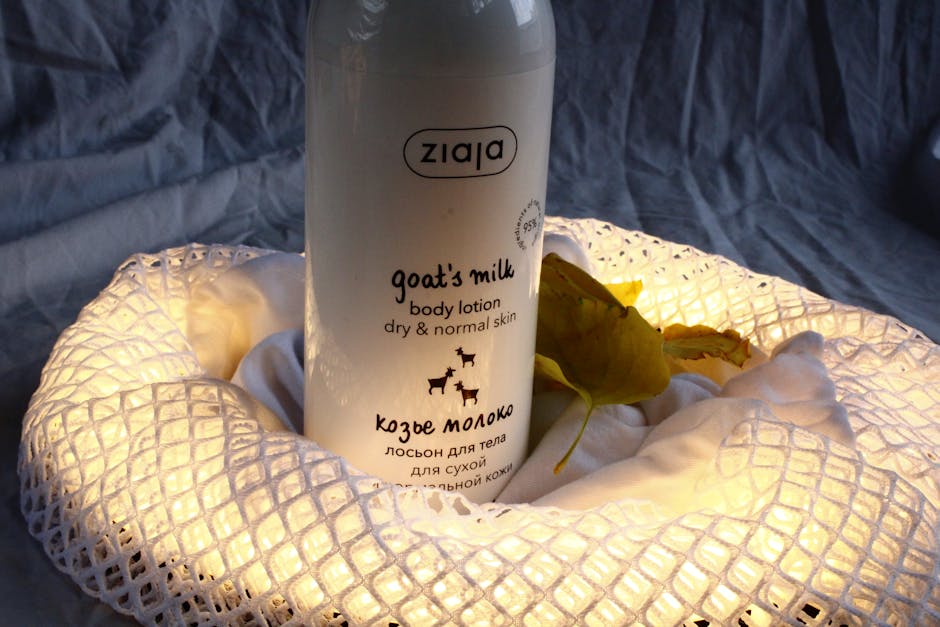
Nivea can absolutely be effective for dry skin. But you must be specific about which Nivea product you choose. Forget the light, fast-absorbing options for truly dry, flaky, or tight skin. For daily, persistent dryness, reach for Nivea Rich Nourishing or Intensive Moisture. If your skin is severely dry, rough, or compromised, the Nivea Urea + Care & Repair is your best bet. Don’t settle for less when your skin demands more.