Roughly 60% of people who buy body lotions never finish the bottle. The most common reason is not that the product stopped working — it is that they picked a formula for the wrong skin type and abandoned it after two weeks when the label’s promises didn’t materialize.
Foxtale has become one of the more discussed Indian skincare brands for exactly this reason: their ceramide body lotion makes specific ingredient-backed claims, markets itself as dermatologist tested, and sits at a price point that makes it easy to try on impulse. Whether those claims hold up is a different question.
Here’s what is actually in the bottle, how it compares to the alternatives people are choosing between, and where it genuinely works versus where it falls short.
What “Dermatologist Tested” Actually Means
Three words on a label that carry far more authority than they should. The phrase means a licensed dermatologist supervised some version of patch testing on a group of participants — typically for 48 to 72 hours — and the majority did not have a significant adverse reaction. That’s it.
There is no regulatory minimum for how many people participated. In many markets, 50 participants is enough to use the claim. There is no requirement that the dermatologist designed the formula, recommended it, or that any efficacy testing happened at all. A product can be dermatologist tested and still do nothing it claims on the front of the bottle. The test is about a safety floor, not about performance.
Foxtale applies this phrase across its entire product range. That tells you the brand has done basic safety diligence. It tells you nothing about whether the ceramides are at a meaningful concentration or getting genuine value for ₹499.
What Dermatologists Actually Look For in a Body Lotion Formula
When a dermatologist evaluates a moisturizer for clinical relevance — not just to rule out irritation — they think in three functional layers. Humectants attract water into the skin: hyaluronic acid, glycerin, urea, panthenol. Emollients smooth the surface and reinforce barrier structure: ceramides, fatty acids, squalane, shea butter. Occlusives seal moisture in and slow water loss: petrolatum, dimethicone, mineral oil.
Effective moisturizers address all three. A formula loaded with humectants but thin on occlusives will hydrate fast and evaporate just as fast — you’ll need to reapply by mid-afternoon. A formula heavy on occlusives alone seals in whatever’s already present without adding moisture. The ratio between these layers determines real-world performance more than any ingredient trending on skincare forums.
The Fragrance Issue Most Reviews Skip Over
Fragrance — synthetic and natural — is the number one contact allergen in cosmetic products, according to decades of dermatological patch test data. Body lotions carry especially high risk because they’re applied over large surface areas and left on. Many people experience chronic low-grade inflammation from fragranced body products and attribute it to dryness rather than irritation.
This is one area where Foxtale earns genuine credit. Their ceramide body lotion keeps fragrance minimal. For sensitive or reactive skin types, that is a more meaningful formulation choice than most of the efficacy language printed on the front of the bottle.
Foxtale Ceramide Body Lotion: Ingredient-Level Assessment

The Foxtale Ceramide Body Lotion (200ml, approximately ₹499) leads with ceramides, niacinamide, and hyaluronic acid. That is a credible trio — the same combination appears in premium face moisturizers. But ingredient presence and ingredient concentration are different things, and only one of them determines results.
Ceramides: Effective, But Benchmarks Exist
Ceramides are lipids that make up roughly 50% of the skin barrier’s intercellular structure. Chronic dryness, eczema, and barrier damage all correlate with depleted ceramide levels. Replenishing them topically works — there is meaningful clinical evidence behind it, particularly from CeraVe, which lists three distinct ceramide types (Ceramide NP, Ceramide AP, Ceramide EOP) and publishes data on their MultiVesicular Emulsion delivery system.
Foxtale lists a “ceramide complex” without specifying types or concentrations. That is not unusual for a brand at this price point — specific ceramide sourcing and independent testing is expensive. But it means you are extending more trust than you would with CeraVe, where the clinical evidence is published and third-party reviewed. The formula almost certainly contains functional ceramides. The working concentration is undisclosed.
Niacinamide at 2%: Mild, Not Meaningless
At 5-10%, niacinamide visibly reduces hyperpigmentation, minimizes pore appearance, and regulates sebum. At 2%, you get primarily anti-inflammatory effects and mild barrier support. Useful. But if you want this lotion to lighten dark knees or treat post-sun pigmentation on arms, 2% will not get you there. The Minimalist 10% Vitamin C Body Lotion (₹449) is formulated specifically for body brightening and is the better-targeted option for that goal.
Hyaluronic Acid: Good When Applied Correctly
Hyaluronic acid can hold roughly 1000 times its weight in water. The complication: it works bidirectionally. In humid conditions it pulls moisture from the environment into the skin. On dry skin in a dry climate, it pulls moisture from deeper skin layers instead — making dryness worse.
Foxtale pairs HA with glycerin and panthenol, creating a more stable humectant system that is less dependent on ambient humidity. That is thoughtful formulation. The relative gap versus premium alternatives is on the occlusive side — the formula is lighter than Cetaphil Moisturizing Lotion or Eucerin Original Healing Cream on occlusive ingredients, which means it hydrates effectively but may not hold that hydration as long for very dry or compromised skin.
Foxtale vs. Alternatives: A Direct Price and Formula Comparison
The Indian body lotion market has gotten genuinely competitive in the last two years. Here is where Foxtale actually sits among the alternatives a shopper realistically considers.
| Product | Price (200ml equiv.) | Key Actives | Occlusive Strength | Best Suited For |
|---|---|---|---|---|
| Foxtale Ceramide Body Lotion | ₹499 | Ceramide complex, Niacinamide 2%, Hyaluronic Acid | Medium | Normal to mildly dry skin, daily maintenance |
| CeraVe Moisturizing Cream | ₹950 (approx.) | Ceramide NP/AP/EOP, HA, MVE delivery system | High | Dry, eczema-prone, barrier-compromised skin |
| Minimalist 10% Vitamin C Body Lotion | ₹449 | Vitamin C 10%, Niacinamide 5% | Low-Medium | Brightening, uneven skin tone on body |
| Cetaphil Moisturizing Lotion | ₹550 (250ml) | Glycerin, Petrolatum, Dimethicone | High | Sensitive, reactive, easily irritated skin |
| Dot & Key Ceramide + Shea Body Butter | ₹699 | Ceramides, Shea Butter, Oat Extract | Very High | Very dry skin, harsh winters, rough texture |
| Plum Bodylovin’ Vanilla Vibes | ₹375 | Glycerin, Shea Butter | Medium | Basic daily hydration, fragrance-forward |
Foxtale’s positioning makes sense inside this comparison. It is not competing with CeraVe on clinical credentials or with Dot & Key on richness. It is the mid-range active-ingredient option for people who want more than glycerin-and-shea without spending close to ₹1000 for a tub. Where Foxtale can clearly be replaced: if budget is the priority, Plum covers basic hydration cheaper; if the skin condition is serious, CeraVe is worth the premium. Foxtale earns its spot for the specific user in the middle.
Who Gets Good Results From Foxtale — and Who Doesn’t
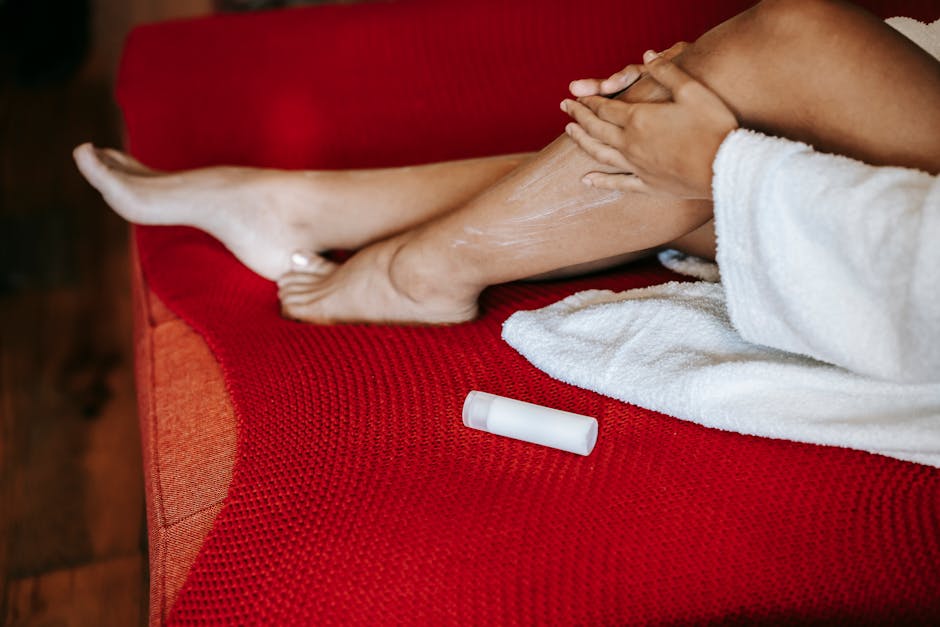
This product works well if your skin is normal to mildly dry
If your skin is generally normal but gets some tightness after showering, or you live in a moderate-humidity climate, Foxtale’s Ceramide Body Lotion is a strong daily option. The formula absorbs without greasiness — relevant for people who apply lotion and immediately get dressed. The fragrance-minimal formulation makes it usable for people who react to most standard lotions but haven’t identified fragrance as the trigger.
People already using CeraVe face products who want the same ingredient logic at a lower price for body use will find Foxtale a reasonable bridge. The underlying approach — ceramides plus a humectant complex — is consistent.
When should you choose something else?
Very dry or eczema-prone skin needs heavier occlusive protection than Foxtale delivers. CeraVe Moisturizing Cream and Eucerin Original Healing Cream are clinically validated for barrier repair in ways Foxtale hasn’t demonstrated through published studies. The extra cost is justified when the skin condition is persistent rather than occasional.
For body brightening — dark knees, rough elbows, post-sun pigmentation on arms — Foxtale’s 2% niacinamide and ceramide content will not deliver visible results. The Minimalist 10% Vitamin C Body Lotion is built for that specific outcome. Don’t pay for a barrier repair formula when you need a brightening formula.
One timing reality that applies to any ceramide product: measurable skin barrier improvement takes 4-6 weeks of consistent daily use in clinical studies. Any brand implying faster transformation is misrepresenting how topical ceramides function. Set the right timeline before evaluating results.
Five Application Habits That Determine Whether Any Body Lotion Works
A good formula underperforms with poor application. These mistakes consistently cancel out what even well-formulated products can deliver:
- Applying to completely dry skin. Body lotion with hyaluronic acid or glycerin performs significantly better on damp skin — within 2-3 minutes of showering. This traps existing surface moisture rather than just sitting on top of dry skin. After that window, you capture a fraction of the benefit.
- Under-treating high-loss zones. Shins, knees, ankles, and elbows lose moisture faster than the rest of the body because they have fewer sebaceous glands. Most people apply uniformly and under-load these areas. Double the amount on knees and shins.
- Using too little overall. A 200ml bottle lasting three months means roughly 2ml per session. That is inadequate for full-body coverage. A realistic full-body application uses 5-8ml. Expect a 200ml bottle to last about 30-40 days of consistent use — if yours lasts longer, you’re under-applying.
- Skipping the patch test. Even fragrance-minimal products occasionally cause reactions in specific people. Inner forearm, 48 hours, before full-body use. Two minutes of testing can prevent a week of irritation.
- Treating lotion as sun protection. Body lotion does not replace sunscreen on exposed skin. Unless the label clearly states SPF 30 or higher with PA+++ or equivalent UV-A coverage, it provides no meaningful UV protection. Foxtale makes a separate SPF 50 PA++++ Body Lotion for that purpose — reach for that product when sun protection is the goal, not the moisturizing lotion.
One habit that applies beyond Foxtale: body lotions work on the outermost skin layers and are not capable of treating conditions rooted in diet, hormones, or systemic health. If your skin is chronically very dry or reactive regardless of what you apply, that pattern typically signals something outside the skincare routine’s reach.
The Verdict
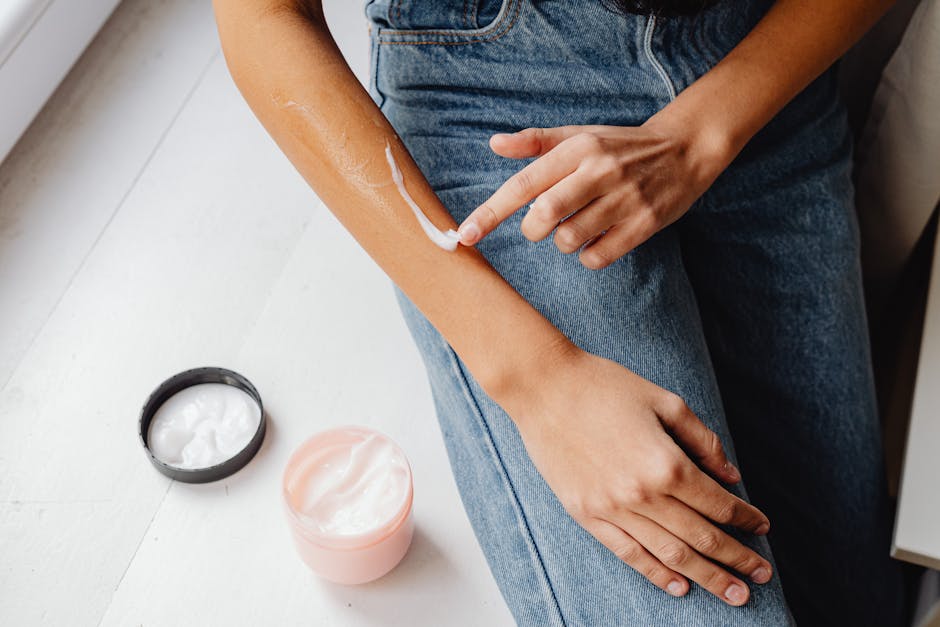
For normal to mildly dry skin, Foxtale’s Ceramide Body Lotion is one of the better-value active-ingredient body lotions in the Indian market at its price point. The ceramide and hyaluronic acid combination is functional, the fragrance-minimal formulation is genuinely thoughtful, and ₹499 makes consistent daily use financially sustainable in a way that ₹950 products are not for most people.
It is not the right product for serious barrier repair, chronic dryness, or body brightening. Those use cases have better-matched alternatives. Knowing exactly what Foxtale is — a well-formulated daily maintenance lotion, not a clinical treatment — prevents the frustration of expecting it to solve problems it was never designed to address.
The category shift worth following: ceramides, niacinamide, and hyaluronic acid are no longer premium-only ingredients in body care. What is coming next in the body lotion space is delivery systems — whether brands at accessible price points can move beyond surface application toward genuine ingredient penetration comparable to what encapsulation technology achieves in high-end face care. That is where the meaningful differentiation in body care is going to happen over the next several years, and it is a gap worth watching as the Indian skincare market continues to mature.