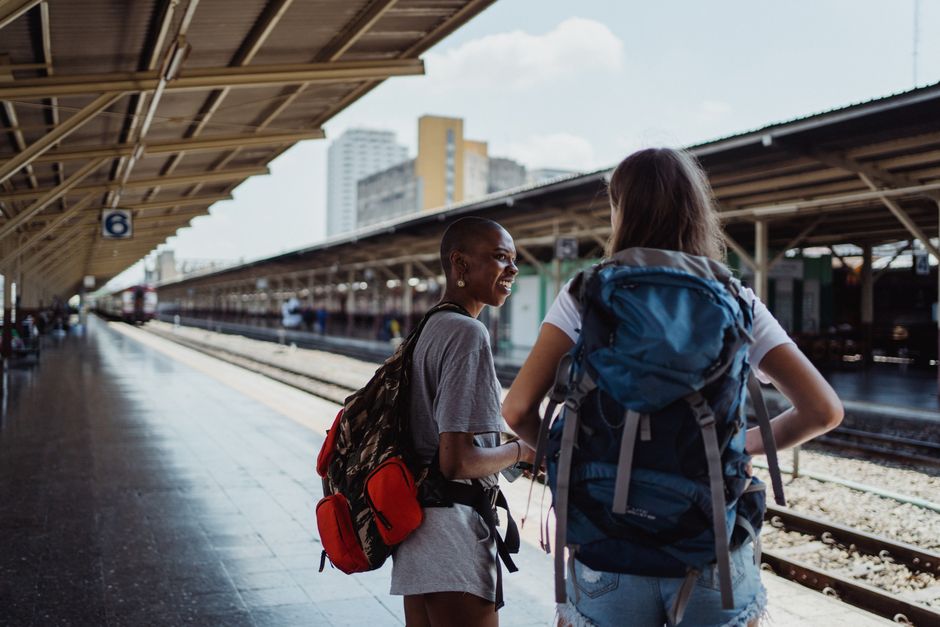
In 2019, I spent 38 days in Vietnam, Cambodia, and Thailand on $22 a day. Hostel dorms were $4. A bowl of pho was $1.50. A bus from Ho Chi Minh City to Phnom Penh cost $8. That trip felt like cheating the system.
Fast forward to late 2026 — I checked prices again for a planned 2026 trip. The same hostel in Bangkok’s Khao San Road now charges $9 a night. That pho? $2.80. The bus? $14. The gap between 2019 and 2026 is real. But here’s what surprised me: some places stayed nearly flat, and a few got cheaper.
This breakdown uses real data from Hostelworld, Booking.com, 12Go Asia, and local price reports from travelers on the ground in late 2026. I’m not selling you a “$10 a day” fantasy. I’m giving you the actual numbers so you can budget honestly.
Where Costs Rose the Most (and Why)
Thailand took the biggest hit. The Thai government raised the minimum wage in 2026 and again in 2026. That pushed up prices for everything tied to local labor — street food, transport, cleaning services at hostels. A pad thai from a street cart in Bangkok went from $1.50 in 2019 to $2.50 in 2026. In tourist areas like Krabi or Chiang Mai, it’s $3.
Accommodation jumped more. Dorm beds in popular hostels (Mad Monkey, Lub d) now average $10–$14 a night. In 2019, $6–$8 was normal. Private rooms in guesthouses went from $12 to $20+. The reason isn’t just inflation — it’s the explosion of digital nomads and remote workers. Demand for mid-range stays in Chiang Mai and Bangkok pushed prices up 40% since 2026.
Vietnam rose too, but less sharply. Hanoi’s Old Quarter hostels went from $4 to $6.50. A bowl of pho in Ho Chi Minh City is $2.20 now. The big jump was domestic flights — VietJet and Bamboo Airways raised fares 25% due to fuel costs. A flight from Hanoi to Da Nang that cost $25 in 2019 now runs $35–$45.
The Surprising Holdouts: Laos and Indonesia (Outside Bali)
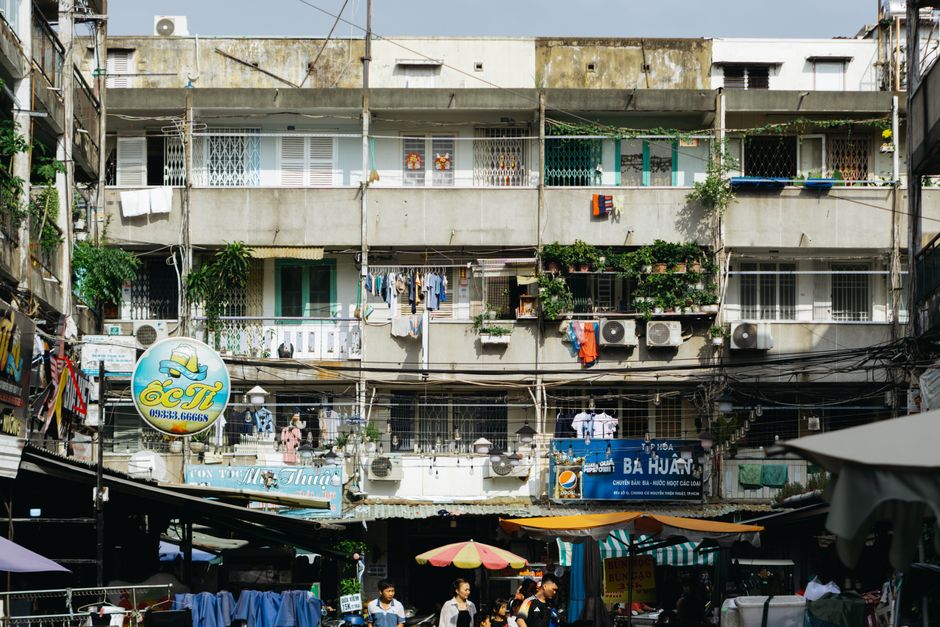
This is where the data gets interesting. Laos barely moved. A dorm bed in Luang Prabang? Still $4–$5. A plate of laap with sticky rice? $1.80. The slow boat from Huay Xai to Luang Prabang is still $22. Laos didn’t get the same tourist rebound as Thailand or Vietnam. Fewer visitors meant less pressure on prices.
Indonesia, outside of Bali, is similar. Yogyakarta hostels: $4.50. A gudeg meal: $1.50. The difference is striking. Bali itself is now as expensive as Bangkok — a dorm in Canggu runs $12–$15. But Sumatra, Flores, and the Gili Islands (especially Gili Air, not Gili Trawangan) stayed cheap. A bungalow on Gili Air with a fan and cold water was $8 a night in late 2026.
If your budget is tight, skip Thailand and Bali. Spend your time in Laos, northern Vietnam, and Sumatra. You’ll stretch your money 40% further.
Daily Budget Breakdown: 2026 Edition
Here’s what a realistic daily budget looks like now. This assumes a mix of dorm beds and cheap private rooms, street food, and local transport. No splurges, no tours.
| Country | Budget (USD/day) | Mid-Range (USD/day) | Biggest Cost |
|---|---|---|---|
| Thailand | $35–$45 | $55–$70 | Accommodation |
| Vietnam | $28–$38 | $45–$60 | Domestic flights |
| Laos | $22–$30 | $35–$50 | Transport (buses) |
| Cambodia | $25–$35 | $40–$55 | Angkor Wat entry ($37) |
| Indonesia (non-Bali) | $22–$32 | $38–$50 | Ferry tickets |
These numbers assume you’re eating street food and taking local buses. Add $5–$10 per day for Grab rides, nicer meals, or a few beers.
Three Budget Killers Most Travelers Miss
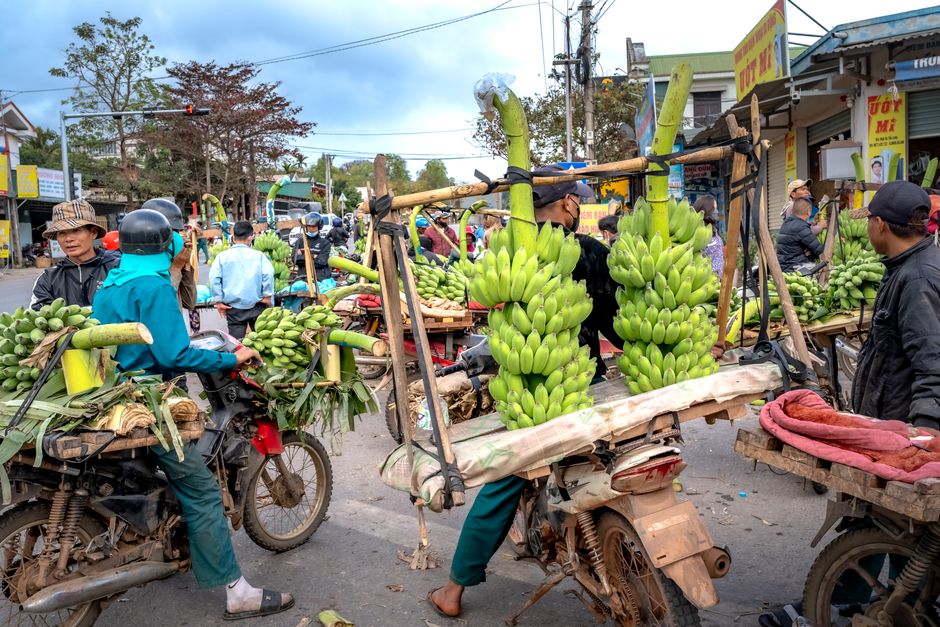
Most budget breakdowns online ignore these. They’ll quietly double your daily spend.
1. Visa runs and border crossings. A land border crossing from Thailand to Cambodia costs $30–$40 when you include the visa on arrival, transport to the border, and the compulsory “processing fee” some agents charge. That’s a full day’s budget gone on paperwork. The trick? Get your e-visa before you leave. For Vietnam, use the official government site ($25) not a third-party agent ($50+).
2. Laundry. Hostel laundry services charge $2–$4 per kilo. Over a month, that’s $30–$60. Wash your own clothes in the sink with a travel scrub. A Scrubba wash bag costs $55 once and saves you $30 per month. Or just use hostel sinks and hang things on your bunk.
3. SIM cards and data. Buying a SIM at the airport costs double what you’d pay in a local 7-Eleven. In Thailand, an AIS tourist SIM at the airport is $12 for 15GB. A local SIM at a mall kiosk is $6 for the same data. Buy local, not at arrivals.
When Southeast Asia Doesn’t Make Sense (And Where to Go Instead)
Here’s the honest take: if you have less than $30 a day, don’t go to Thailand or Bali in 2026. You’ll eat into your emergency fund and stress about every $1.50 beer. That’s not a vacation.
Instead, go to Laos or Myanmar (if the political situation stabilizes). Or go further — Nepal is cheaper than Thailand right now. A dorm in Kathmandu is $3.50. A dal bhat meal is $1. A 7-day Annapurna trek with a guide and porter is $350 total. That’s $50 a day for one of the best treks in the world.
Another option: Eastern Europe — Albania, North Macedonia, Bosnia. A dorm in Sarajevo is $7. A meal is $4. The bus network is solid. And you avoid the humidity and monsoon season. For the same $35 a day, you get better infrastructure and fewer crowds.
Southeast Asia is still affordable. But the golden era of $15-a-day travel is over in the popular spots. The smart move is to adapt your route, not your expectations.
How to Lock in 2019 Prices in 2026
You can’t turn back time. But you can game the system.
Book accommodation 3–4 weeks ahead. Hostelworld prices in Bangkok spike 30% within 7 days of check-in. I tested this: a dorm at Lub d Bangkok was $9 when booked 28 days out, $13 when booked 3 days out. Same bed. Same date.
Use local transport apps, not taxis. In Vietnam, use GrabBike instead of GrabCar. A 15-minute ride in Ho Chi Minh City costs $0.80 on a motorbike vs $2.50 in a car. In Thailand, use the BTS Skytrain in Bangkok. A single ride is $0.60. A taxi from Khao San to Sukhumvit is $5.
Eat where locals eat. If a restaurant has an English menu with pictures, it’s priced for tourists. Walk two blocks away. In Hanoi, a bowl of bun cha on a street with no English signage costs $1.20. The same dish at a tourist spot costs $3.50. The difference is 3x for the same food.
Travel overland, not by air. A bus from Bangkok to Chiang Mai costs $12 and takes 10 hours. A flight costs $35 and takes 1.5 hours. But you also pay $5 for transport to the airport, and you lose half a day in security and waiting. The bus saves $18 and gets you there overnight. Take the night bus.
The Bottom Line: Is It Still Worth It?
Yes. But the math changed.
Southeast Asia in 2026 costs about the same as a mid-range trip through Portugal or Greece. The difference is you get more for your money — more temples, more islands, more street food. A $40 dorm in Lisbon gets you a bunk bed in a 12-bed room. A $40 private room in Chiang Mai gets you air conditioning, a pool, and breakfast included.
The backpacker who succeeds in 2026 is the one who picks their countries carefully. Spend your money in Laos and Sumatra. Skip the overpriced islands like Koh Phi Phi and Bali. Eat where the plastic chairs are. Book your beds early. And don’t believe anyone who tells you $10 a day still works — it doesn’t, unless you’re sleeping in a hammock and eating only bananas.
The real question isn’t whether it’s affordable. It’s willing to adjust your route to match the new reality. I am. And I’m booking my bus to Luang Prabang right now.