You’ve heard the warnings. You’ve seen the videos. Maybe a friend came back from Bangkok with a story about spending three days in a hotel bathroom. So is the pad thai from that cart on Khao San Road actually worth the risk?
Short answer: Yes — if you know what to look for. The long answer is more nuanced. Let’s cut through the fear-mongering and get real about what makes street food safe or dangerous in Thailand right now.
What Actually Makes Street Food Risky?
Most people assume the food itself is the problem. It’s not. The real danger is almost always improper handling and storage. Bacteria doesn’t care if you’re eating from a Michelin-star restaurant or a plastic stool on a sidewalk.
Temperature Abuse
Cooked food left sitting at room temperature for hours is a breeding ground for Bacillus cereus and Staphylococcus aureus. In Thailand’s heat (30-35°C most days), that window shrinks to about 2 hours before bacteria levels become risky. Watch for stalls where cooked items aren’t kept steaming hot or on ice.
Cross-Contamination
Raw meat juices dripping onto ready-to-eat ingredients. The same cutting board for chicken and vegetables. Unwashed hands handling money then touching food. These are the real threats. A 2026 study from Mahidol University found 38% of street food samples in Bangkok showed coliform bacteria — a marker of fecal contamination from poor hygiene.
Ice and Water
The tap water in Thailand is not drinkable. Ice is usually fine — commercial ice factories produce safe, filtered ice sold in bags with a certification stamp. But crushed ice from unknown sources? Skip it. And never rinse your mouth with tap water after brushing your teeth.
| Risk Factor | Common Source | How to Avoid |
|---|---|---|
| Bacterial growth | Food left out >2 hours | Eat at busy stalls with high turnover |
| Cross-contamination | Unwashed utensils/boards | Watch food prep; choose stalls that cook to order |
| Contaminated ice | Unsealed crushed ice | Order bottled drinks; ask for “nam keng” (block ice) |
| Raw vegetables | Unwashed herbs and salad | Ask for cooked veggies or skip the raw garnish |
How to Spot a Safe Stall in 30 Seconds
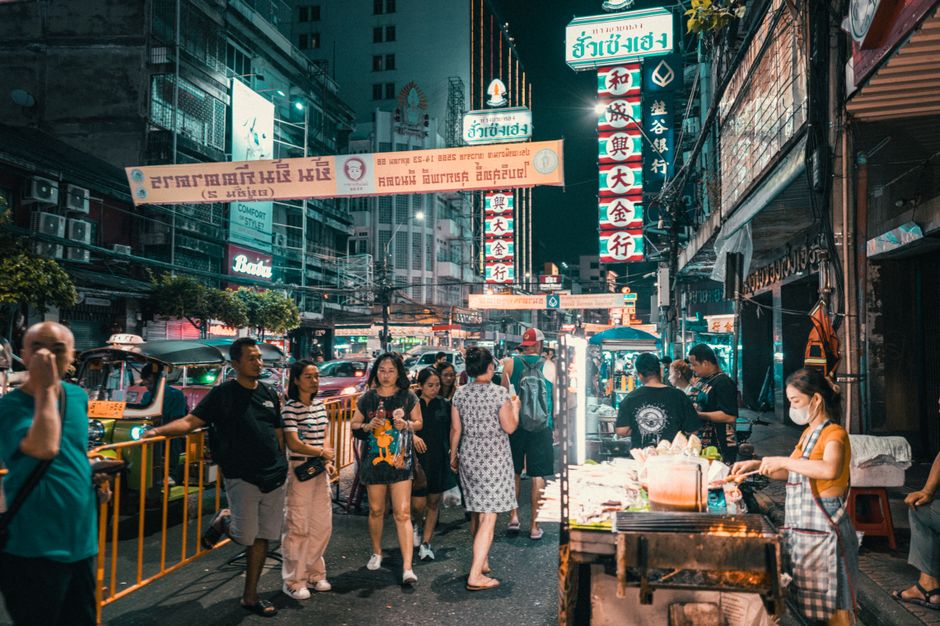
You don’t need a food science degree. You need eyes and a little patience. Here’s exactly what to check before you order.
Look at the crowd. Locals eating there? Good. A line of Thai office workers at lunch means the food is fresh and the turnover is high. Empty stalls with laminated menus in four languages? Walk past.
Watch the cook. Do they handle money and food with the same hands? Red flag. Do they wear gloves or use tongs? Better. Are they sweating into the wok? Hard pass.
Check the setup. Raw meat should be stored separately, ideally in a chilled display case. Cooked food should be under a heat lamp or on a hot surface. If flies are landing on the spring rolls, so are bacteria.
Trust your nose. Stalls that smell heavily of frying oil can be masking old oil. Fresh cooking smells clean and specific — garlic, lemongrass, chili. Rancid oil smells sour or chemical.
The One Food to Avoid (and Why)
I’m going to say something that might annoy some travel bloggers: skip the raw or undercooked seafood from street stalls. Pla ra (fermented fish sauce) is fine. Grilled squid is fine. But raw shrimp in a som tam that’s been sitting out for hours? That’s a gamble you don’t need to take.
Shellfish — mussels, oysters, clams — are particularly risky in hot climates. Vibrio bacteria thrives in warm seawater and can cause severe gastrointestinal illness. If you want fresh seafood, eat at a restaurant where you can see the tank or the ice bed. Street stalls rarely have proper refrigeration for raw shellfish.
Cooked shellfish is a different story. Pad see ew with squid or grilled river prawns from a busy stall are generally safe because the heat kills the bacteria. The key word is “cooked.”
When the Risk Is Actually Worth It
Here’s the truth: the vast majority of Thai street food is safe. The Thai government inspects street stalls and issues health certificates. In Bangkok alone, over 20,000 stalls are registered with the city. The issue isn’t the system — it’s the outliers.
Stalls that have been in the same spot for 10+ years and are busy every day have a reputation to protect. They’re not trying to poison you. They want you to come back and tell your friends. Pad thai from Thipsamai (the famous one on Maha Chai Road) has been served for over 50 years. They’re not going to mess that up.
Your stomach also adapts. Locals have gut microbiomes accustomed to the local bacteria. You don’t. That’s why you might get sick from a stall your Thai friend eats at daily. It’s not dirty — it’s a mismatch. Probiotics before your trip can help, but the real solution is to start with milder foods and work your way up.
Start with khao man gai (poached chicken rice) — simple, cooked, low risk. Then try pad kra pao (stir-fried basil with meat and egg). Then move to the more adventurous stuff. Give your gut time to adjust.
What to Do If You Get Sick
It happens. Even careful eaters get unlucky. Here’s the practical playbook.
Hydrate aggressively. Oral rehydration salts (ORS) are sold at every pharmacy in Thailand for about 10 baht ($0.30). Keep a pack in your bag. Mix with bottled water and sip throughout the day. This is more effective than sports drinks.
Don’t take anti-diarrheals immediately. Your body is trying to flush out the bacteria. Blocking that with loperamide (Imodium) can trap the infection inside you. If you have a fever or bloody stool, see a doctor. Otherwise, let it run its course while staying hydrated.
Know where the hospitals are. Bangkok has excellent private hospitals — Bumrungrad, Bangkok Hospital, Samitivej. They have English-speaking staff and international insurance acceptance. A consultation costs around $50-100. Don’t tough it out if you’re dehydrated or in serious pain.
Travel insurance is non-negotiable. A serious case of food poisoning requiring IV fluids and a night of observation can run $500-1000. Without insurance, that’s a vacation-ending expense. With insurance, it’s a minor inconvenience.
The Bottom Line on Thai Street Food in 2026
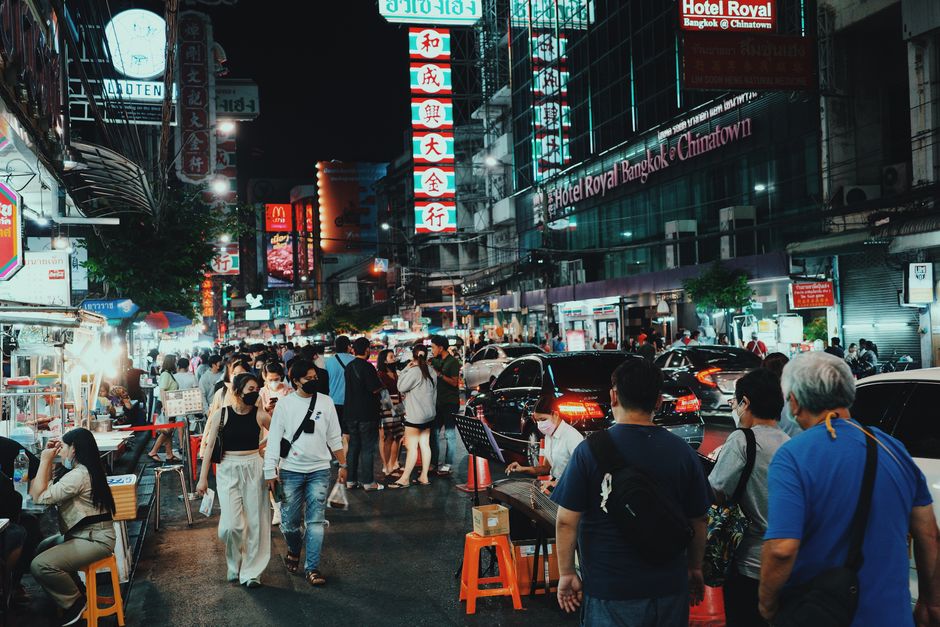
Street food in Thailand is not going anywhere. The stalls are part of the culture, the economy, and the experience. The risk is real but manageable. You don’t need to eat only at hotel buffets. You just need to be smart about where and what you eat.
Stick to busy stalls. Watch how they handle food. Avoid raw shellfish. Hydrate if things go wrong. And for the love of good pad thai, don’t let fear keep you from eating the best meal of your life for $2.
The question isn’t whether it’s worth the risk. It’s willing to learn how to eat safely. Do that, and Thailand’s streets will feed you better than any restaurant.