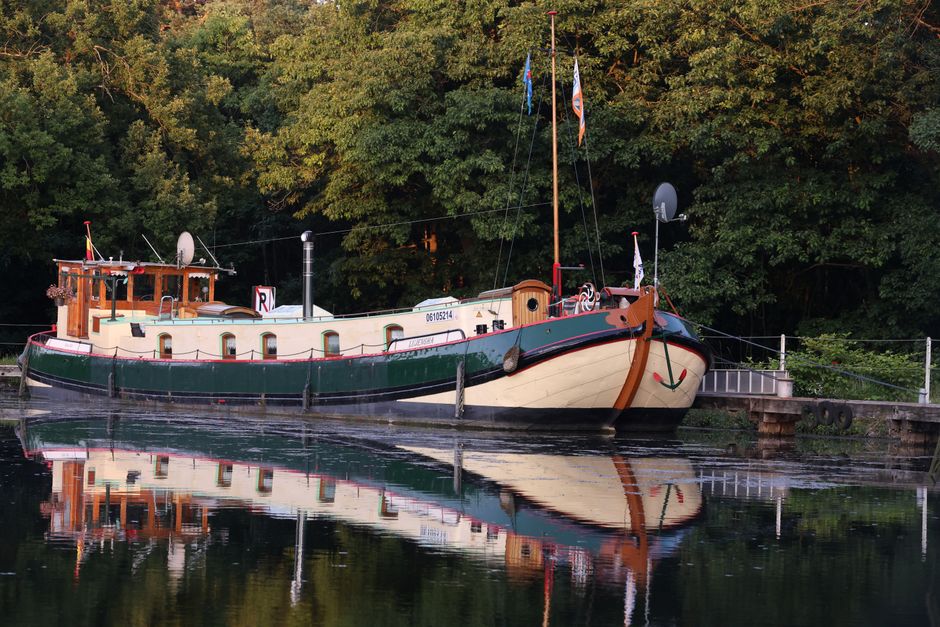
A seven-night journey from Castelnaudary to Port Cassafières covers about 157.3 kilometres, 63 locks and 33 hours of navigation. That sounds like a full timetable. It is not. The best Canal du Midi barge holiday leaves large parts of the day empty.
You steer for a few hours, stop for lunch under plane trees, walk into a village, buy bread, and let the boat become your accommodation rather than your transport. Summer brings long daylight hours, warm evenings and busy towpaths, but it also brings heat, limited shade and higher prices. The route works when you plan around those facts.
What should you pack for a hot canal boat?
Pack for the deck, not a hotel room
- Use soft bags. Cabins have limited storage, narrow walkways and beds that may lift for access. Two small holdalls per person work better than hard suitcases.
- Bring two pairs of secure shoes. Choose one pair with a firm sole for wet decks and one light pair for villages. Flip-flops are poor footwear around ropes, locks and uneven towpaths.
- Protect against the sun from the first hour. Pack a wide-brimmed hat, sunglasses, high-factor sunscreen, a long-sleeved shirt and a light layer for evening. The upper deck can feel cooler in the wind while your face still burns.
- Carry enough drinking water. Start with at least 1.5 litres per person for a hot day ashore, then refill from a trusted supply. Add a reusable bottle, a small cool bag and electrolyte tablets if someone in the crew struggles in heat.
- Make the boat easy to live on. Take a head torch, insect repellent, a dry bag for phones, a power bank, basic medicines, earplugs and a compact laundry line. A washable cloth also helps because water splashes reach the galley and cockpit.
Plan food around the route
Do one proper shop at the departure base, then top up with bread, fruit, cheese and water in larger villages. Do not fill every cupboard on day one. Fresh food takes space, refrigerators are smaller than they look, and a hot boat turns delicate items into waste quickly.
Simple meals suit the route: pasta, salad, grilled vegetables, eggs, local cheese and cold meat. Cook the most involved dish before sunset, when the galley is cooler. Keep breakfast fast on lock-heavy mornings. A crew that starts late often ends up navigating during the hottest part of the day.
How slow should you travel on the Canal du Midi?
The lock math changes the whole holiday
A canal boat may move at roughly walking-to-cycling speed, often around 6 to 8 kilometres per hour in open water. That figure hides the real work. You slow before bridges, pass moored boats carefully, wait for other crews and stop at locks. One lock can take only a few minutes with a skilled crew and a clear chamber, or much longer when several boats arrive together.
The full one-way route has 63 locks and around 33 hours of listed navigation. Dividing that figure across seven days produces nearly five hours of movement each day before delays, shopping and sightseeing. That is manageable, but it is not a relaxed pace if every day also contains a major attraction. The solution is simple: accept that you will not see everything.
A better daily rhythm
Start around 8:30 on a longer navigation day, when the air is cooler and the canal is quieter. Run for two hours, stop for coffee or a village walk, then continue before lunch. Moor by mid-afternoon when possible. The boat becomes far more enjoyable once nobody is arguing over the next deadline.
Use early mornings for locks and exposed stretches. Save shaded towpaths, markets and historic centres for late afternoon. Carcassonne deserves a proper visit, so it is sensible to stay nearby rather than admire the skyline while rushing past. The same rule applies to the Fonseranes locks and the Malpas Tunnel: treat them as destinations, not obstacles between two pins on a map.
Summer heat is the main reason to slow down. Metal decks hold warmth, cabins can become stuffy and the sun reflects off the water. A two-hour morning cruise followed by a long lunch and a short evening run often feels better than one six-hour push. The route rewards attention to small details: plane-tree shade, cicadas, vineyard paths, village bakeries and the sound of a lock filling.
The clear recommendation is two to four hours of cruising on most days. Go longer only when the next mooring or handover point forces the issue. The Canal du Midi is an experience of changing pace, not a sightseeing checklist.
How much does a 2026 Canal du Midi barge holiday cost?
What does the boat hire usually cost?
Published 2026 examples show why summer capacity matters. Le Boat lists a Horizon 1 sleeping up to five people from £1,799 for seven nights. Its sample Caprice fare is £1,919 for seven nights in May, with two cabins, two bathrooms and extra sleeping space in the saloon. A Royal Classique with three cabins, six berths and three bathrooms is listed at £2,749 for seven nights in June.
For July, the sample Le Boat Magnifique price is £2,999 for seven nights. It has four cabins, eight berths and three bathrooms. These figures are useful benchmarks, not guaranteed quotes. They can change with dates, demand, promotions and departure base.
What costs do people forget?
Boat hire is only the first line of the budget. Add fuel or cruising charges, a refundable damage deposit, insurance or a damage waiver, groceries, restaurant meals, bicycles, transfers and any one-way return travel. Ask for a full cost sheet before paying. A low headline fare can lose its advantage once extras are added.
Dividing the hire price by the maximum berth count can also mislead. Five adults in a boat designed with four proper berths plus a saloon bed may save money but reduce sleep quality. For five travellers on a tight budget, the Horizon 1 is a sensible starting point. For a family that values private cabins during a hot July week, the Magnifique is the better choice even at a higher total price.
My cost verdict: budget for the boat as a group expense, then add a separate food, fuel and shore-excursion allowance. Never treat the advertised hire price as the complete holiday cost.
Who should skip a Canal du Midi barge holiday?
The mistakes that spoil the slow pace
My opinion: do not book this trip if your ideal holiday means a new major attraction every morning. The Canal du Midi is slow by design. The crew handles ropes, fenders and locks. Someone cooks, shops and cleans. Moorings are not always available exactly where you want them, and a village may be quiet when you arrive.
- Do not plan every night around a restaurant. Some towns have limited opening hours, especially outside the busiest centres.
- Do not assume the boat can reach every town centre. Check walking distances from moorings before promising a visit.
- Do not leave provisioning until the evening. Small villages may have a bakery but no large supermarket.
- Do not book the maximum number of berths for a group that needs personal space. Cabin size matters more than the headline capacity.
- Do not ignore the heat. A crew unhappy with sun, insects or poor sleep will not enjoy the most beautiful stretch of canal.
When is another holiday better?
Choose a hotel-and-bike trip if you want daily exercise, reliable air conditioning and no boat duties. Choose a guided river cruise if you want staff to handle navigation, meals and shore logistics. Choose a Mediterranean beach base if swimming and easy sea access matter more than villages, locks and inland scenery.
A barge holiday is also a poor match for anyone who dislikes shared decision-making. The route is intimate. Six people cannot all take separate schedules on a narrow boat. The trip works best for a small group that enjoys cooking, conversation and modest daily goals.
The best Canal du Midi barge holiday is a seven-night trip that leaves half the day unbooked, because the canal rewards time more than mileage.