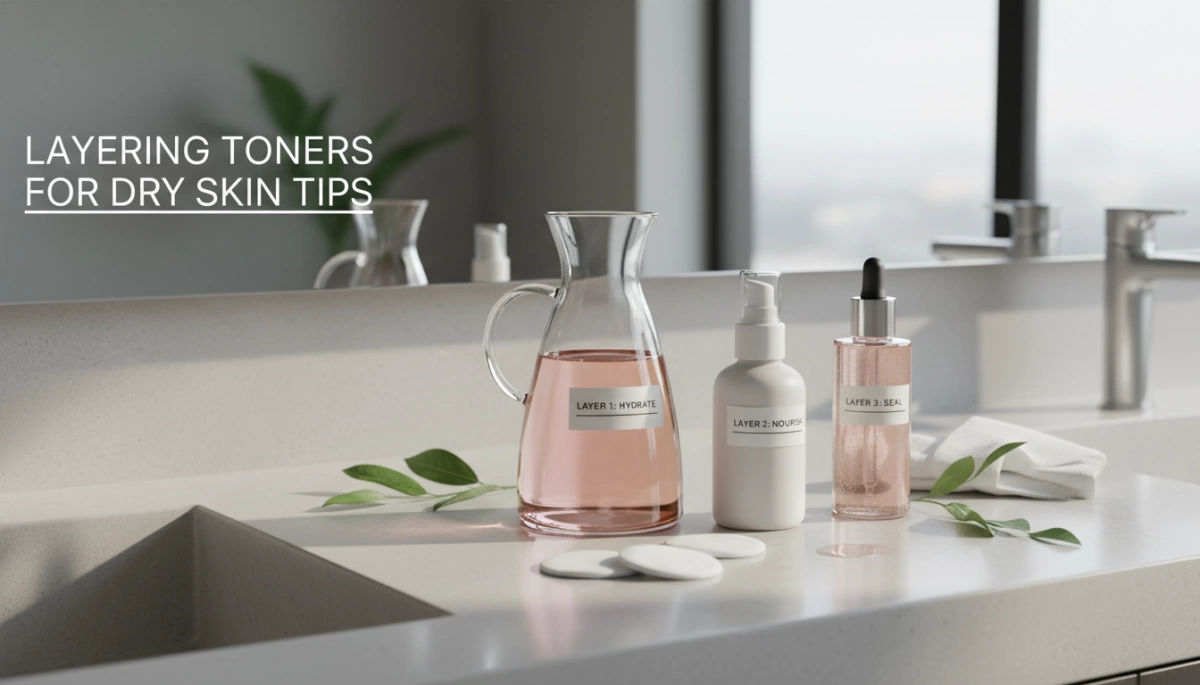
Layering Toners for Dry Skin My Experience and Tips for Hydration
If you’ve ever battled dry skin that feels tight, flaky, and impossible to hydrate with just a heavy cream, you’re not alone. I’ve been there—applying layer after layer of moisturizer only to have it sit on top, never truly sinking in. That’s when I discovered the magic of layering toners for dry skin—a simple yet game-changing technique that transformed my skin from brittle to plump. In this post, I’ll share my exact experience, the mistakes I made, and the actionable tips that finally gave my face the deep, lasting hydration it craved. Ready to give your skin that much-needed drink of water? Let’s dive in.
Why Layering Toners Works Better Than Heavy Creams for Dry Skin
When I first struggled with dry skin, I thought slathering on heavy creams was the answer. But layering toners changed the game for me, and here’s why it works better, especially for hydrating toner for dry skin.
The Sponge Analogy: Soaking Skin vs. Sealing It
Think of your skin like a sponge:
Heavy cream is like putting a thick plastic wrap over a dry sponge. It sits on top, locking moisture but not letting the sponge soak up water effectively.
Layering toners is like gently dunking the sponge multiple times in water—allowing it to absorb hydration deeply and evenly.
This means toners penetrate the skin’s surface better, preparing it for other products. Heavy creams mostly occlude (seal) moisture but don’t always fix dryness or dehydration inside the skin layers.
Layering Toners
Heavy Creams
Penetrates deeper skin layers
Mainly occlusive, sits on top
Hydrates gradually, more evenly
Locks moisture without adding hydration
Lightweight, not greasy
Can feel heavy or clog pores
Penetration vs. Occlusion: Understanding the Balance
Penetration: Layering watery to slightly viscous toners allows active humectants like hyaluronic acid and glycerin to pull moisture into the skin.
Occlusion: Creams create a barrier, preventing water loss (transepidermal water loss – TEWL), but they don’t add hydration themselves.
Combining both is ideal but starting with good hydrating toners sets a solid foundation.
Dehydrated vs. Dry Skin: Know Your Skin’s Needs
It’s crucial to distinguish dehydrated skin from dry skin:
Dehydrated skin lacks water but can be oily or dry. It craves hydration (water).
Dry skin lacks oil and needs nourishment.
Layering toners targets dehydrated skin routine needs by supplying that essential hydration without heaviness, preventing irritation that can come from too many oils or thick creams.
Layering toners hydrate better than heavy creams alone.
Toners penetrate skin to add water; creams lock it in.
Knowing if your skin is dry or dehydrated helps tailor your routine.
Think “soak the sponge” with toners, then “seal with cream” if needed.
This approach revolutionized my skincare, giving me a softer, glowing complexion without the greasy feel. If you’re battling dry or dehydrated skin, layering hydrating toners might just be your skincare MVP.
The “Golden Rules” of Ingredients (My Trial and Error)
When it comes to layering toners for dry skin, choosing the right ingredients makes all the difference. From my own trial and error, I quickly learned the big no-no: stay away from astringents and toners with high alcohol content. These can strip your skin’s natural oils and worsen dryness, leading to irritation and increased transepidermal water loss (TEWL). Instead, opt for alcohol-free toner benefits that soothe and hydrate without the sting.
The true heroes in my routine are humectants like hyaluronic acid, glycerin, and beta-glucan. These ingredients draw moisture into your skin and keep it there, making them essential for any dehydrated skin routine. I also found great comfort with soothing additives such as Centella Asiatica and panthenol, which help repair damaged skin barriers and calm redness. For extra nourishment, I like toners with propolis or milky toner ingredients, as their slightly viscous texture adds an occlusive layer that locks in hydration without heaviness.
Texture also plays a key role. I start with a light, watery toner to hydrate, then move to slightly thicker, viscous formulas for layering. This progression helps optimize penetration while avoiding the sticky finish some heavier creams bring. Remember, a good hydrating toner for dry skin isn’t just about the ingredients—how they feel and absorb matters just as much. For some practical inspiration, you can check out everyday summer bases that highlight light, moisture-friendly textures perfect for layering.
Step-by-Step: My Hydration Layering Routine for Dry Skin
Getting the layering right can be a game-changer for dry skin, especially when using a hydrating toner for dry skin. Here’s how I approach it, step-by-step:
Step 0: The Cleanse with Non-Stripping Cleanser
Start with a gentle, non-stripping cleanser that won’t compromise your skin barrier. Cleansing well without drying is crucial because over-cleansing sets back hydration efforts and worsens dehydration.
Step 1: The “Damp Skin” Rule (Apply Quickly)
I always apply my toners on slightly damp skin—right after cleansing. This “damp skin” rule helps lock in the moisture that’s still there. Waiting too long causes the skin to dry out and can reduce penetration of hydrating ingredients.
Step 2: Application Technique: Press and Pat, No Cotton Pads
Rather than using cotton pads, I use my clean hands to gently press and pat the toner into my skin. Cotton pads often absorb too much product and can irritate dry skin. Patting ensures better product absorption and less waste.
Step 3: Wait Time Between Layers
After each toner layer, I wait about 30 seconds until the skin feels just slightly tacky but not dry. Enough wait time helps the product settle and prevents pilling when the next layer is applied.
Step 4: How Many Layers? Debunking 7-Skin Myth
The popular 7-skin method isn’t a must. For my dry, sometimes dehydrated skin, 3 to 4 layers of hydrating toner do the trick without overload. It’s quality, not quantity, that matters for maintaining the skin’s moisture balance.
For more on adapting hydration routines per season, check out this detailed winter skincare routine that complements layering well.
By following these steps, you reduce transepidermal water loss (TEWL) and make the most of your hydrating toners without the heaviness of creams.
Advanced Tips for Maximum Glow (The “Secret Sauce”)
Once you master the basics of layering toners for dry skin, these advanced tips can seriously boost your skin’s hydration and glow.
The Mist Sandwich Technique:
This involves layering a hydrating mist toner, then a moisturizer, followed by another mist layer. It locks in moisture more effectively than just one layer, creating a “moisture sandwich” that helps reduce transepidermal water loss (TEWL) and keeps your skin plump throughout the day.
Spot Treatment Layering with Cotton Pads:
For stubborn dry patches, I gently press cotton pads soaked in a hydrating toner or essence infused with humectants like hyaluronic acid or glycerin. This targeted hydration soothes and repairs damaged skin barrier areas without overloading the rest of your face.
Seal It In with Occlusives:
After layering toners, always finish with an occlusive moisturizer or facial oil to lock all that hydration in. Ingredients like petrolatum, squalane, or natural oils create a protective barrier that stops moisture from evaporating, which is crucial for dry skin care routines aiming to prevent dehydration.
For more tips on how to keep your skin hydrated and healthy, check out this guide on effortless treatments for skin that complement toner layering techniques perfectly.
Common Mistakes I Made (So You Don’t Have To)
When I first started layering toners for dry skin, I made some avoidable mistakes that slowed down my progress. Here are the key pitfalls to watch out for:
Over-Exfoliating:
I got ahead of myself by mixing AHA/BHA exfoliants with my hydrating layers. This can actually irritate dehydrated or dry skin, damaging the skin barrier instead of repairing it. If you want maximum hydration from your toners, keep exfoliation to separate times—never layer acids right under hydrating toners as it causes sensitivity and defeats the purpose of hydration.
Pilling happens when your skin rejects certain layers, creating flaky residue on the surface. This often occurs because of excessive product or incompatible textures. To avoid pilling:
Use the right amount—avoid slathering on too many layers at once.
Pat toners gently instead of rubbing.
Skip cotton pads, which can absorb too much product and disturb layering.
Wait for each layer to absorb before applying the next one.
Ignoring Neck Hydration Importance:
I used to focus just on my face, but the neck is just as prone to dryness and early aging signs. Don’t forget to extend your hydration layering routine down to your neck and décolletage. These areas often get overlooked but benefit tremendously from the same care, helping reduce rough patches and maintain overall skin health.
By steering clear of these mistakes and following my hydrating toner for dry skin routine, you can avoid common problems like irritation, pilling, and uneven hydration. For extra tips on balancing moisture and repairing your skin barrier, this winter beauty favourites guide has some great recommendations to keep your skin calm and glowing.