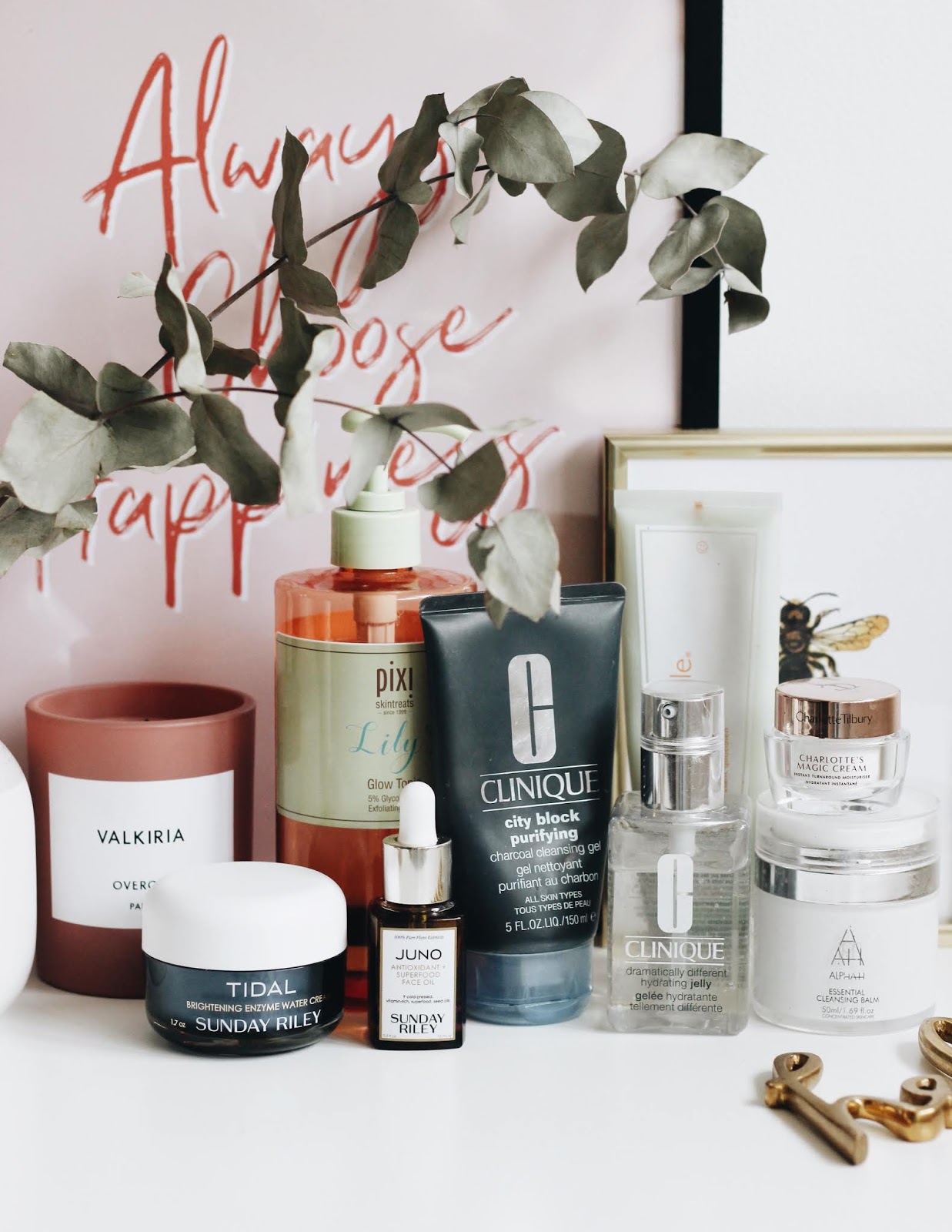
Most people think winter skincare is just about switching to a thicker moisturizer. That is a misconception. For travelers, the problem is not cold air alone — it is the rapid shift between heated airplanes, dry hotel rooms, windy streets, and warm cafes. Each environment pulls moisture from your skin in a different way. A single heavy cream cannot fix that. You need a system that adapts.
This guide covers what actually works for skin that moves through multiple climates in a single day. No filler. No ten-step routines that collapse the moment you board a flight. Just the core principles, the common traps, and specific products that hold up under real travel conditions.
Why Winter Travel Destroys Your Skin Barrier
Your skin barrier — the outermost layer of your epidermis — is a brick-and-mortar structure of dead skin cells (bricks) held together by lipids (mortar). Those lipids include ceramides, cholesterol, and fatty acids. When humidity drops below 40%, that mortar dries out and cracks. Water escapes. Irritants get in.
Airplane cabins make this worse. Cabin humidity typically sits between 10% and 20% — drier than the Sahara Desert. A four-hour flight can drop your skin’s hydration levels by 15% to 20%. Then you land in a cold city, walk outside into wind that strips surface oils, and check into a hotel with forced-air heating that repeats the cycle.
The mistake most travelers make: reaching for an oil-based balm to seal everything in. That works if your barrier is intact. But if it is already cracked — red, flaky, stinging — occlusives can trap inflammation underneath. You need repair, not just sealing.
Three ingredients matter most here:
- Ceramides — Replace the missing mortar. Look for products listing ceramide NP, AP, or EOP.
- Panthenol (pro-vitamin B5) — Calms irritation and supports healing. Works fast.
- Urea — At 5% or lower, it gently exfoliates dead flakes while pulling moisture into the stratum corneum.
If your skin feels tight after washing, or if your usual moisturizer stings on application, your barrier is compromised. Stop exfoliating entirely. Focus on ceramides and panthenol for at least one week.
How to Build a Travel-Sized Winter Routine (3 Products, 2 Minutes)
Carry-on limits force choices. Here is a three-product system that covers cleansing, moisturizing, and protection. Each product must do double duty.
Step 1: The Non-Stripping Cleanser
Foaming cleansers that produce lots of suds typically contain sodium lauryl sulfate (SLS) or sodium laureth sulfate (SLES). These strip the barrier. In winter, with already-low humidity, that is a disaster.
Use a cream or milk cleanser instead. La Roche-Posay Toleriane Hydrating Gentle Cleanser ($16, 400ml) contains niacinamide and ceramide-3. It removes sunscreen and light makeup without leaving skin tight. CeraVe Hydrating Cream-to-Foam Cleanser ($12, 236ml) is a second option — it uses amino acid surfactants that clean without stripping.
Water temperature matters. Hot water dissolves lipids faster. Use lukewarm water. Pat dry with a towel — do not rub.
Step 2: The Multi-Layer Moisturizer
One moisturizer cannot do everything in a dry climate. Instead, layer two products:
- Layer A (water-based humectant): A serum with glycerin or hyaluronic acid. Vichy Mineral 89 Hyaluronic Acid Serum ($30, 50ml) uses volcanic water and 89% hyaluronic acid. Apply to damp skin.
- Layer B (emollient + occlusive): A cream that contains shea butter or squalane plus petrolatum or dimethicone. Kiehl’s Ultra Facial Cream ($35, 50ml) uses squalane and glacial glycoprotein. It absorbs quickly and leaves no greasy finish.
Apply Layer A within 60 seconds of washing. Wait 30 seconds. Then apply Layer B. This locks the humectant against the skin.
Step 3: Sunscreen (Non-Negotiable in Winter)
Snow reflects up to 80% of UV rays. Altitude increases UV exposure by 10% per 1000 meters. You need SPF 30 minimum, SPF 50 for skiing or mountaineering.
Beauty of Joseon Relief Sun SPF50+ ($18, 50ml) is a chemical sunscreen with rice extract and probiotics. It doubles as a moisturizer in a pinch. Supergoop! Unseen Sunscreen SPF40 ($38, 50ml) is fragrance-free and invisible under makeup. Both are under 100ml for carry-on.
Reapply every two hours of sun exposure. If you wear makeup, use a powder sunscreen like Colorscience Sunforgettable Total Protection Brush-On Shield SPF50 ($68, 6g) for touch-ups.
3 Common Winter Skincare Mistakes That Make Things Worse
These mistakes show up repeatedly in travel dermatology forums. Avoid them.
Mistake 1: Over-Exfoliating
Dry winter skin looks dull. The natural reaction is to scrub it off. That removes the dead cells that still hold some moisture — and damages the barrier underneath.
Limit chemical exfoliation (AHAs, BHAs) to once per week in winter. Stop physical scrubs entirely. If you must exfoliate, use a 5% urea cream like Eucerin UreaRepair Plus 5% Urea Cream ($14, 100ml). It exfoliates and hydrates simultaneously.
Mistake 2: Skipping Sunscreen on Cloudy Days
Up to 80% of UV rays penetrate cloud cover. In winter, the sun sits lower in the sky, which actually increases UVB exposure during midday hours. Skipping sunscreen because it is overcast is a leading cause of winter sun damage among skiers and hikers.
Set a phone alarm for 10 AM and 2 PM on travel days. Those are the highest UV windows.
Mistake 3: Using Hotel Soap on the Face
Hotel bar soap has a pH between 9 and 10. Healthy skin pH is around 4.7 to 5.5. That alkaline shock disrupts the acid mantle and triggers bacterial overgrowth.
Pack your own cleanser in a 30ml travel bottle. If you forget, use micellar water on a cotton pad until you can buy a proper cleanser. Bioderma Sensibio H2O Micellar Water ($15, 250ml) is the gold standard — it cleans without rinsing and maintains pH balance.
When to Skip the Heavy Cream and Use a Humidifier Instead
Here is a counterintuitive fact: piling on thick creams in low humidity can actually dehydrate your skin further. How? A heavy occlusive like petrolatum or beeswax creates a seal. If there is no water underneath that seal — because the air is pulling moisture out — the cream just sits on top of dry skin, doing nothing.
The better fix is to increase ambient humidity. A travel-sized humidifier (under 500ml, USB-powered) raises room humidity by 15% to 25% in a standard hotel room. That alone reduces transepidermal water loss by roughly 30% overnight.
When to use a humidifier instead of a thicker cream:
- You wake up with a dry throat or nose (signals low room humidity)
- Your skin feels tight even after applying moisturizer
- You are staying in one place for 3+ nights
- You have acne-prone skin (heavy creams can clog pores; humidifier does not)
When to stick with the heavy cream:
- You are outdoors for more than 4 hours a day in wind or cold
- You have diagnosed eczema or severe dryness
- You cannot control the room temperature (e.g., camping, hostels)
A good compromise: use a lightweight gel-cream during the day (like Avene Tolerance Control Soothing Skin Recovery Cream, $32, 40ml) and run the humidifier at night. The gel-cream provides enough moisture without suffocating pores, and the humidifier handles the rest.
Product Comparison: Best Winter Moisturizers for Travel
| Product | Price (USD) | Size (ml) | Key Ingredient | Best For | Texture |
|---|---|---|---|---|---|
| Kiehl’s Ultra Facial Cream | $35 | 50 | Squalane | Normal to dry skin, all-day wear | Cream, absorbs quickly |
| La Roche-Posay Cicaplast Baume B5 | $16 | 40 | Panthenol + Shea Butter | Damaged barrier, post-flight redness | Rich balm, slightly greasy |
| CeraVe Moisturizing Cream | $16 | 539 | Ceramides 1, 3, 6-II | Budget pick, whole body | Thick cream, no fragrance |
| Avene Tolerance Control Balm | $32 | 40 | Dextran sulfate + Paraffin | Sensitive, reactive skin | Light balm, sterile packaging |
| Dr. Jart+ Ceramidin Cream | $49 | 50 | Ceramide NP + Glycerin | Very dry, flaking skin | Dense cream, strong herbal scent |
My pick for most travelers: La Roche-Posay Cicaplast Baume B5. It costs $16, fits in any carry-on, and contains panthenol, shea butter, and madecassoside. It repairs barrier damage overnight and works as a spot treatment for windburn. The only downside is the greasy finish — use it as a night mask, not under makeup.
What to Do When Your Routine Fails Mid-Trip
Sometimes the plan falls apart. You forget your cleanser. The hotel heating is cranked to 28°C. Your skin starts peeling on day two. Here is the emergency protocol.
The 3-Day Reset
Stop everything except cleansing and moisturizing. No serums. No exfoliants. No actives (vitamin C, retinol, acids). For three days, do this:
- Morning: Rinse with water only. Apply a thick layer of CeraVe Healing Ointment ($12, 50g) on damp skin. This is a petrolatum-based balm with ceramides — it seals moisture in completely.
- Evening: Cleanse with La Roche-Posay Toleriane Hydrating Gentle Cleanser. Apply Avene Cicalfate+ Restorative Protective Cream ($28, 40ml), which contains copper-zinc sulfate to prevent infection and sucralfate to heal.
- Before bed: Apply a thin layer of vaseline (plain petroleum jelly, $5 for 100g) over the moisturizer on the driest spots — cheeks, nose, chin.
This is not a long-term solution. But it stops the damage cycle within 48 hours. After three days, reintroduce one active at a time, starting with sunscreen.
When to See a Doctor
If your skin develops blisters, oozing, or yellow crusting, you may have impetigo or a secondary bacterial infection. Over-the-counter creams will not fix that. Find a local pharmacy and ask for a topical antibiotic like mupirocin (prescription in most countries). If you develop fever or spreading redness, seek urgent care.
Winter travel does not have to mean wrecked skin. The routine above fits in a quart-sized bag, costs under $100 total, and covers the three most common failure modes: barrier damage, low humidity, and forgotten sunscreen. Start with the humidifier and the Cicaplast Baume. That alone solves 80% of winter skin problems on the road.