
According to various dermatological studies, nearly 50% of the global population suffers from some form of dandruff or itchy scalp at some point in their lives, and travel often acts as the primary trigger for these flare-ups. I have spent years hopping between different climates, and I can tell you that nothing ruins a sunset in Santorini faster than the relentless urge to scratch your head. It is a specific kind of frustration. You pack your best outfits and your high-end camera, but you forget that your scalp is a delicate ecosystem that doesn’t always appreciate a change in zip code.
When you are on the move, your hair is subjected to a rotating door of stressors: recycled airplane air, high-mineral “hard” water in European cities, and the sweat that comes with hiking through tropical humidity. I used to rely on whatever tiny bottle the hotel provided, but after one too many nights of dealing with a flaky, inflamed scalp in a foreign city, I started traveling with my own targeted solutions. Finding the best shampoo for itchy scalp is not just about hygiene; it is about comfort and confidence while you are away from home.
Understanding Why Travel Triggers Scalp Irritation and Itching
The scalp is essentially an extension of your facial skin, yet we often treat it with far less care. When we travel, the first thing that changes is the water. If you are moving from a soft water area to a city with hard water—which is packed with minerals like calcium and magnesium—those minerals can create a film on your scalp. This film prevents moisture from entering and traps sebum and bacteria underneath. The result? A dry, itchy mess that no amount of standard conditioner can fix. I noticed this most prominently during a month-long stint in London; the water there was so heavy with minerals that my scalp felt like it was shrinking after every shower.
Then there is the issue of the “travel scalp microbiome.” We all have a naturally occurring fungus called Malassezia that lives on our heads. It feeds on the oils produced by our hair follicles. When we are stressed from travel or eating more sugar and dairy than usual (hello, vacation diet), our oil production can spike. This gives the fungus a feast, leading to the inflammation and shedding we recognize as dandruff. It is a biological chain reaction that is exacerbated by the dry, pressurized air of a long-haul flight, which sucks the moisture out of your skin and forces your scalp to overcompensate by producing even more oil.
Humidity also plays a massive role. In places like Southeast Asia or Central America, the constant moisture in the air keeps your scalp damp with sweat. This creates a warm, humid breeding ground for irritation. Conversely, winter trips to ski resorts involve constant shifts between freezing outdoor air and bone-dry indoor heating. This constant expansion and contraction of the skin’s moisture barrier lead to micro-cracks, which itch like crazy. To combat this, you need a shampoo that doesn’t just wash your hair but actually treats the underlying cause of the irritation.
The Role of pH Balance in Travel Hair Care
Most people don’t realize that the pH of your scalp is naturally acidic, sitting around 5.5. Many hotel soaps and cheap shampoos are highly alkaline. When you disrupt that pH balance, the protective barrier of your scalp—the acid mantle—is compromised. This makes you more susceptible to the very fungi and bacteria that cause itching. When I look for the best shampoo for itchy scalp to take on a trip, I prioritize formulas that mention pH balance or use gentle surfactants that won’t strip that protective layer.
Best Medicated Shampoos for Aggressive Scalp Relief

If you are already in the middle of a flare-up, natural remedies might not cut it. You need the big guns. Medicated shampoos use specific active ingredients to target fungus, slow down skin cell turnover, or soothe deep-seated inflammation. Through my own trials, I’ve found that having a small travel-sized bottle of a medicated formula is the best insurance policy against a ruined trip. You can find most of these through major retail outlets like those found on Awin-affiliated sites, making them easy to restock before your next departure.
Nizoral A-D Anti-Dandruff Shampoo
Nizoral is often cited by dermatologists as the gold standard for a reason. Its active ingredient is 1% Ketoconazole, a powerful antifungal that specifically targets the Malassezia fungus. In my experience, this is the most effective “reset button” for a scalp that has gone haywire. It doesn’t just mask the itch; it kills the cause. It typically retails for around $15 to $18 for a 7-ounce bottle.
- Pro: Clinically proven to kill the fungus that causes dandruff; works even if you only use it twice a week.
- Con: It can be quite drying to the hair shafts, so a heavy-duty conditioner on the ends is a must.
Neutrogena T/Gel Therapeutic Shampoo
This is a classic, though it is becoming harder to find in some markets due to supply shifts. Its active ingredient is coal tar extract, which works by slowing down the rapid growth of skin cells on the scalp. This makes it excellent for travelers who suffer from psoriasis or seborrheic dermatitis rather than just simple dryness. It usually costs about $12 to $15.
- Pro: Provides long-lasting relief from itching and flaking; very effective for chronic conditions.
- Con: The scent is polarizing—it smells like a freshly paved road. It can also stain light-colored hair or fabrics if not rinsed thoroughly.
Selsun Blue Maximum Strength
Selsun Blue uses 1% Selenium Sulfide. This ingredient is fantastic because it serves a dual purpose: it is antifungal and it also helps slow down skin cell turnover. I find it to be a middle-ground option—stronger than most drugstore brands but slightly less clinical than Nizoral. It is very affordable, usually priced under $10.
- Pro: Widely available at almost any pharmacy or retail store; very effective at cutting through heavy oil.
- Con: Can be harsh on color-treated hair; the medicinal smell lingers for a few hours.
| Product Name | Active Ingredient | Best For | Approx. Price |
|---|---|---|---|
| Nizoral A-D | Ketoconazole 1% | Fungal Dandruff | $15.00 |
| Neutrogena T/Gel | Coal Tar 0.5% | Psoriasis/Dermatitis | $13.00 |
| Selsun Blue | Selenium Sulfide 1% | Oily Scalp/Flakes | $9.00 |
| Head & Shoulders | Zinc Pyrithione | Mild Itch/Daily Use | $7.00 |
Top-Rated Soothing and Natural Shampoos for Frequent Travelers
Not every itchy scalp requires a medical intervention. Sometimes, the itch is just a sign of dehydration or sensitivity to harsh chemicals like sulfates (SLS). Sulfates are what make shampoo foam up, but they can be incredibly irritating to a scalp that is already stressed by a change in environment. For my more routine travels, I prefer shampoos that use botanical extracts like tea tree oil, charcoal, or peppermint to soothe the skin without the medicinal intensity of the options mentioned above.
Briogeo Scalp Revival Charcoal + Coconut Oil Micro-Exfoliating Shampoo
This is a premium option that I save for trips where I know I’ll be using a lot of dry shampoo or hairspray, like a destination wedding. It uses Binchotan charcoal to draw out impurities and vegetable-derived micro-exfoliants to physically lift away dead skin cells. The peppermint and tea tree oil give it a cooling sensation that instantly kills the itch. It is pricey, usually around $42 for an 8-ounce jar, but a little goes a long way.
- Pro: Incredibly satisfying cooling sensation; removes product buildup better than almost anything else.
- Con: The tub packaging is inconvenient for travel (you’ll need to decant it into a jar); very expensive.
Paul Mitchell Tea Tree Special Shampoo
This is a staple in many salons for a reason. The combination of tea tree oil, peppermint, and lavender creates a sensory experience that is very refreshing after a long day of sightseeing. Tea tree oil is a natural antiseptic, which helps keep the scalp clean without the harshness of coal tar. It typically costs around $18 to $22.
- Pro: Leaves the scalp feeling incredibly clean and tingly; great for waking up after a red-eye flight.
- Con: The high concentration of peppermint can be too intense for people with broken or extremely sensitive skin.
Philip Kingsley Flaky/Itchy Scalp Anti-Dandruff Shampoo
If you have the budget, this is perhaps the most sophisticated formula on the market. It was originally created for Sir Laurence Olivier, and it feels like a luxury product rather than a treatment. It uses Piroctone Olamine, which is a gentler alternative to Zinc Pyrithione. It clears up flakes without stripping the hair of its shine. Expect to pay around $40.
- Pro: Extremely gentle; safe for daily use and color-treated hair; has a pleasant, mild scent.
- Con: Difficult to find in physical stores; high price point for a relatively small bottle.
I have found that alternating between a medicated shampoo and a soothing natural one is the best strategy. Use the medicated one once or twice a week to keep the fungus at bay, and use the soothing one for your other washes to maintain moisture.
A Traveler’s Protocol for Maintaining a Healthy Scalp on the Road

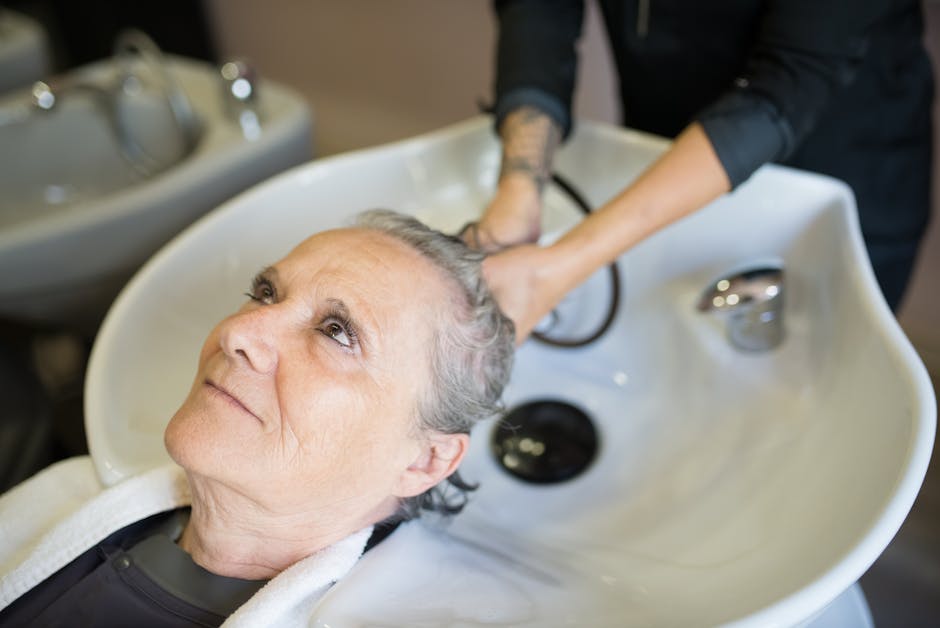
Packing the best shampoo for itchy scalp is only half the battle. How you use it and how you manage your hair during transit matters just as much. I’ve developed a bit of a ritual that has significantly reduced my scalp issues over the last few years. It starts before I even leave for the airport. I always do a deep clarifying wash 24 hours before a flight to ensure there is no lingering product buildup that can be “baked in” by the dry cabin air.
During the flight, I try to avoid touching my hair or scalp. Our hands carry oils and bacteria that can exacerbate irritation. If I feel an itch coming on, I use a small amount of a scalp-specific serum or even a tiny drop of diluted tea tree oil. Once I arrive at my destination, I make it a priority to wash my hair as soon as possible if the flight was longer than six hours. This removes the film of recycled air and sweat that accumulates during transit.
- Decant your products: Most of the best shampoos for itchy scalp come in bottles larger than the 3.4oz (100ml) TSA limit. Invest in high-quality silicone squeeze bottles. They are easier to use in cramped hotel showers and less likely to leak in your luggage.
- Mind the water temperature: When your scalp is itchy, a hot shower feels amazing in the moment, but it is actually making the problem worse. Hot water strips away the natural oils and leaves the skin vulnerable. Stick to lukewarm water for washing and a cool rinse at the end.
- Use a scalp massager: These small, silicone-bristled brushes are a travel essential for me. They help work the shampoo into the scalp and physically break up any mineral deposits from hard water. They also increase blood flow, which aids in healing.
- Rinse, then rinse again: One of the biggest causes of itchiness is actually shampoo residue. In unfamiliar showers with different water pressure, it is easy to leave a bit of soap behind. Spend an extra minute ensuring every bit of product is gone.
- Pack a silk or satin pillowcase: Cotton pillowcases can be abrasive and suck moisture out of your hair. A silk pillowcase reduces friction on your scalp while you sleep, which can help prevent the micro-irritations that lead to itching.
Finally, keep an eye on your diet while traveling. I know it’s hard to resist the local pastries and cocktails, but high sugar intake is directly linked to increased oil production on the scalp. If I know I’m going to be indulging, I make sure to be extra diligent with my scalp care routine. It is all about balance. By packing the right products and being mindful of the environmental changes, you can keep your scalp healthy and focus on the journey ahead rather than the itch on your head.