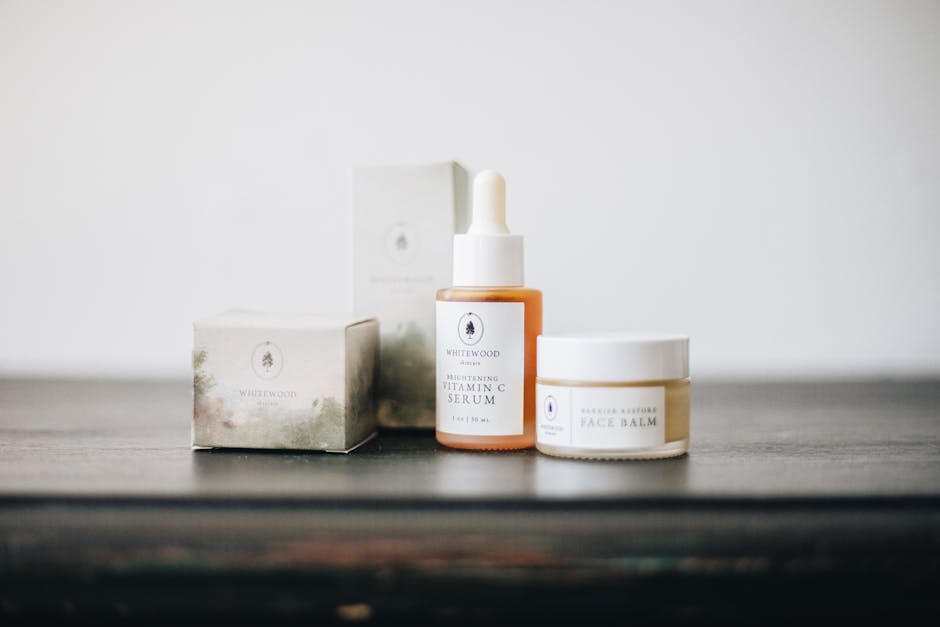
You do not need a ten-step regimen to maintain healthy skin while moving between time zones. The most effective strategy for a cheap travel skincare routine relies on three core pillars: a non-stripping cleanser, a versatile moisturizer, and a high-protection sunscreen. By focusing on these essentials, you avoid the unnecessary weight of specialized serums and the high cost of luxury brands that often deliver the same results as their drugstore counterparts. Many travelers overpack, assuming that more products equal better protection against recycled airplane air or tropical humidity. In reality, your skin values consistency over complexity. Stick to the basics, buy in bulk or decant into smaller containers, and you will save both money and luggage space.
What is the best minimalist budget skincare routine for travel?
A minimalist routine is built on the concept of “cleansing, hydrating, and protecting.” For travelers, this means selecting products that are robust enough to handle environmental changes but gentle enough not to cause a reaction when you are far from home. A basic morning routine should take less than five minutes. Start with a splash of water or a gentle cleanser if your skin is oily. Follow this with a moisturizer that matches the climate of your destination. Finally, apply a generous layer of SPF. In the evening, the goal shifts to removing the grime, pollution, and sunscreen accumulated during a day of sightseeing. Use the same cleanser and a slightly heavier layer of the same moisturizer.
The Morning Routine: Protection First
1. Cleanse: Use a pH-balanced cleanser. If you are in a rush, a simple water rinse is often sufficient for dry or normal skin types.
2. Moisturize: Apply a lightweight lotion. Look for ingredients like glycerin or ceramides which help hold moisture in the skin during long walks or flights.
3. SPF: This is the most expensive part of your routine but the most vital. Apply at least half a teaspoon to your face and neck.
The Evening Routine: Recovery and Repair
1. Double Cleanse: If you wore heavy sunscreen or makeup, use a cheap micellar water first, followed by your regular cleanser.
2. Treat (Optional): If you have a specific concern like acne, apply a single active ingredient like salicylic acid or niacinamide.
3. Moisturize: Apply a thicker layer of your moisturizer to act as a “sleep mask” to combat the drying effects of hotel air conditioning.
Pro tip: Always test new, cheap products at home for at least two weeks before your trip. The last thing you want is an allergic reaction while navigating a foreign pharmacy.
Top-rated drugstore skincare products for travelers under $15
Finding high-quality products at retail prices is easier than ever thanks to brands that prioritize ingredient transparency over fancy packaging. You can find these items at major retailers like Boots, Sephora, or LOOKFANTASTIC, often at significant discounts during seasonal sales. When shopping for travel, look for products that come in sturdy plastic packaging rather than glass to reduce weight and prevent breakage. Many of these brands offer “mini” sizes, but it is almost always more cost-effective to buy the full size and decant it into reusable silicone tubes.
| Product Name | Approximate Price | Pros | Cons |
|---|---|---|---|
| CeraVe Hydrating Facial Cleanser | $12.00 | Non-drying, contains ceramides, fragrance-free. | Does not remove heavy makeup well. |
| The Ordinary Natural Moisturizing Factors + HA | $6.50 | Very affordable, non-greasy, travel-friendly tube. | Might not be hydrating enough for very dry climates. |
| Bondi Sands Sunscreen Lotion SPF 50+ | $10.00 | High protection, water-resistant, reef friendly. | Can feel a bit heavy on oily skin. |
| Garnier SkinActive Micellar Water (Travel Size) | $4.00 | Efficiently removes dirt and SPF, no rinsing required. | Requires cotton pads, adding to luggage bulk. |
Cleansers: The Foundation of Cheap Skincare
The CeraVe Hydrating Facial Cleanser is a staple for a reason. It uses a patented MVE technology to release moisturizing ingredients over 24 hours. For travelers, this is beneficial because it helps the skin barrier stay intact despite the harshness of tap water in different cities, which can vary significantly in mineral content. If you prefer a foaming option, the Cetaphil Gentle Foaming Cleanser is another reliable choice around the $10 mark. It effectively removes oil without leaving the skin feeling tight or “squeaky clean,” which is a sign of a damaged barrier.
Moisturizers: Locking in Hydration
The Ordinary Natural Moisturizing Factors + HA is arguably the best value moisturizer on the market. It uses a combination of amino acids, fatty acids, and hyaluronic acid that are naturally present in the skin. Because it comes in a 30ml or 100ml tube, it is perfectly sized for carry-on luggage. For those heading to cold, snowy destinations, Weleda Skin Food Light (approx. $12.00) offers a richer barrier that protects against windburn. While the original version is very thick, the “Light” version absorbs faster, making it better for daytime use under sunscreen.
How to customize your travel routine for different skin types
Your skin’s needs change based on the environment. A routine that works in the humid streets of Bangkok will likely fail you in the dry air of the Swiss Alps. The key to a cheap skincare routine is versatility. You don’t need to buy a whole new set of products for every trip; instead, you should learn how to layer or adjust the amount of product you use. Understanding the “why” behind your skin’s behavior allows you to troubleshoot issues with the products you already own.
Oily and Acne-Prone Skin in Humid Climates
In humid weather, your skin produces more sebum. You might be tempted to skip moisturizer, but this can actually cause your skin to overcompensate by producing even more oil. Instead, switch to a gel-based moisturizer. The Inkey List Omega Water Cream (approx. $11.00) is an excellent budget choice. It is lightweight and doesn’t clog pores. To manage breakouts caused by sweat and sunscreen, a small bottle of The Ordinary Niacinamide 10% + Zinc 1% ($6.00) can help regulate oil production and minimize the appearance of pores.
Dry and Dehydrated Skin in Cold Climates
Cold air holds less moisture, and indoor heating further strips the skin. If you have dry skin, your cheap routine needs an occlusive layer. An occlusive is a product that sits on top of the skin to prevent water loss. Vaseline Pure Petroleum Jelly is the cheapest and most effective occlusive in existence. A tiny amount applied over your moisturizer at night (a technique often called “slugging”) can transform dry, flaky skin overnight. For a more sophisticated feel, La Roche-Posay Cicaplast Baume B5 (approx. $15.00) is a cult favorite for repairing skin that has been irritated by cold or wind.
Sensitive Skin and Hard Water Issues
Many travelers find their skin becomes red and itchy when visiting certain cities. This is often due to “hard water,” which contains high levels of calcium and magnesium. These minerals can react with soaps to leave a film on the skin. If you have sensitive skin, consider using a no-rinse cleanser like micellar water or a milk cleanser during your trip. Avène Extremely Gentle Cleansing Lotion is a bit pricier (around $14.00 for a small bottle) but is specifically designed for skin that cannot tolerate tap water.
Practical packing hacks to save money and space
The cost of skincare isn’t just the price on the tag; it’s also the cost of checked bag fees and the price of replacing items that leak. Smart packing ensures your budget routine stays budget-friendly. Most people use far more product than they actually need. For a one-week trip, you likely only need 15ml of cleanser and 10ml of moisturizer. Carrying full-sized bottles is a waste of space and a security risk at the airport.
Decanting vs. Travel Sizes
Buying “travel size” versions of your favorite products is a common trap. Often, the price per milliliter is 300% higher than the full-sized version. Invest once in a set of high-quality silicone travel bottles. These are squeezable, easy to clean, and rarely leak. Label them clearly with a permanent marker or a label maker. If you are packing oils or serums, use small glass dropper bottles, but wrap them in a sock or bubble wrap to prevent breakage. For solid products like bar cleansers or stick sunscreens, you can cut them into smaller portions to save even more space.
Preventing Leaks and Spills
Air pressure changes in the cabin can cause bottles to expand and leak. To prevent this, squeeze the excess air out of your plastic bottles before capping them. This creates a slight vacuum that allows for expansion without the cap popping off. For extra security, unscrew the cap, place a small piece of plastic wrap over the opening, and then screw the cap back on. Always store your liquids in a clear, waterproof pouch. If a leak does occur, it won’t ruin your clothes or electronics.
- Use contact lens cases: These are perfect for carrying small amounts of eye cream, lip balm, or spot treatments for a weekend trip.
- Solid toiletries: Consider a solid cleanser bar or a solid perfume. These do not count toward your liquid limit and will never leak in your bag.
- Multi-purpose products: A good lip balm can be used on dry cuticles or as a highlighter on cheekbones. A gentle hair conditioner can double as a shaving cream.
Managing skin health during long flights and climate shifts
The environment inside an airplane cabin is notoriously dry, with humidity levels often dropping below 20%. This is lower than the humidity in the Sahara Desert. To keep your skin from becoming a parched mess, you need to adjust your routine before you even board the plane. Don’t wait until you are at 30,000 feet to start hydrating. Start increasing your water intake 24 hours before your flight and apply a slightly richer moisturizer than usual on the morning of your departure.
The In-Flight Strategy
Avoid the temptation to use a sheet mask on the plane. While they look like a great way to hydrate, the extremely dry air can actually draw the moisture out of the mask and your skin. Instead, apply a thick layer of a cream-based moisturizer or a facial oil. If you feel dry mid-flight, do not use a facial mist. When the mist evaporates in a dry cabin, it takes your skin’s natural moisture with it. If you must use a mist, follow it immediately with a layer of moisturizer to lock it in. Most importantly, avoid touching your face. Airplanes are breeding grounds for bacteria, and touching your skin can lead to “travel acne” or irritation.
Adapting to Your Destination
Once you land, the first thing you should do is wash your face to remove the recycled air and oils from the flight. If you have moved from a cold climate to a tropical one, your skin may feel congested. Give it a few days to adjust before introducing any harsh exfoliants. If you have moved to a high-altitude location, like Denver or La Paz, remember that the sun’s UV rays are much stronger. You will need to reapply your cheap SPF every two hours, even if it feels cool outside.
Budget skincare is about being smart with your choices. By choosing multi-functional products from reputable drugstore brands, you can maintain a glowing complexion without overspending. Focus on protection during the day and repair at night. With a few simple packing hacks and a consistent routine, your skin will look just as good at the end of your trip as it did when you left home.