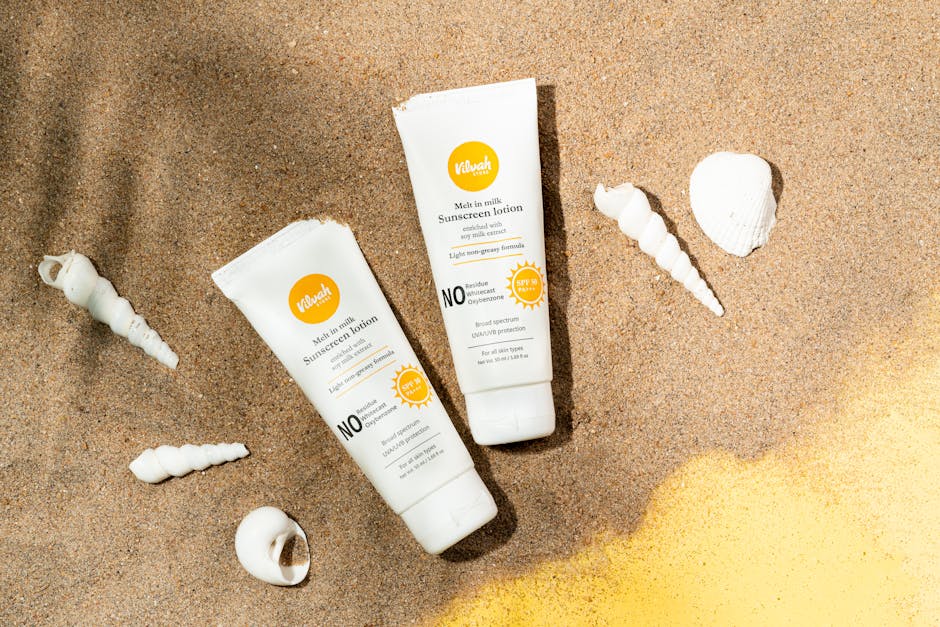
Did you know that just one blistering sunburn in childhood or adolescence more than doubles your chances of developing melanoma later in life? For travelers, constant exposure to new environments and intense sun means sunscreen isn’t a suggestion; it’s a non-negotiable part of your packing list. But with countless options, how do you pick the right one for your adventure?
This guide cuts through the marketing fluff. We’ll show you exactly what to look for, specific products to buy, and how to use them effectively, trekking through the Amazon or lounging on a Mediterranean beach.
Decoding SPF and PA Ratings: What They Really Mean
Before you grab any tube, you need to understand the labels. SPF and PA ratings aren’t just arbitrary numbers; they indicate specific levels of protection against different types of ultraviolet (UV) radiation. Skipping this step is like packing a swimsuit for a ski trip – a fundamental mistake.
Sunlight delivers two main types of UV rays that damage your skin: UVA and UVB. UVB rays are the primary cause of sunburn and play a significant role in skin cancer. UVA rays contribute to premature aging, wrinkles, and also increase the risk of skin cancer. A good sunscreen defends against both, which is why you’ll often see “broad-spectrum” on the label. This designation means the product protects against both UVA and UVB rays.
SPF Numbers Explained
SPF, or Sun Protection Factor, measures how well a sunscreen protects against UVB rays. An SPF of 30 means it will take you 30 times longer to burn than if you had no sunscreen on. For example, if you normally burn in 10 minutes, SPF 30 extends that to 300 minutes. However, higher SPFs don’t offer proportionately more protection. SPF 15 blocks about 93% of UVB rays, SPF 30 blocks about 97%, and SPF 50 blocks around 98%. The difference between SPF 30 and SPF 50 is minimal, about 1%. You should always aim for SPF 30 or higher for daily use, and SPF 50 or higher for extended outdoor activities or travel to high-UV index destinations.
Understanding PA++++
While SPF handles UVB, the PA (Protection Grade of UVA) system, common in Asian sunscreens, rates UVA protection. It uses plus signs: PA+ offers some UVA protection, PA++ offers moderate protection, PA+++ offers high protection, and PA++++ signifies extremely high UVA protection. For travelers, especially those spending long hours outdoors or visiting tropical regions, always look for broad-spectrum sunscreens with at least PA+++, ideally PA++++. This ensures comprehensive defense against both burning and aging rays.
Best Sunscreens for Active Travelers (Sweat & Water Resistant)

When your travel plans involve sweating, swimming, or serious activity, your sunscreen needs to stick around. Standard formulas won’t cut it. You need products specifically designed to resist water and perspiration, ensuring continuous protection during your adventures. These aren’t just for beach days; consider them essential for hiking, cycling, or any high-humidity environment.
Top Picks for Water Resistance
For ultimate staying power, seek out sunscreens labeled “water-resistant” for either 40 or 80 minutes. This rating indicates how long the SPF level remains effective after immersion in water or sweating. For most active trips, an 80-minute water-resistant formula is ideal.
- La Roche-Posay Anthelios Melt-in Milk Sunscreen SPF 60: This dermatologist-recommended formula offers superb broad-spectrum protection. It feels lightweight despite its high SPF and boasts 80 minutes of water resistance. The texture is non-greasy and absorbs quickly, making it a favorite for both face and body. Expect to pay around $25 for a 5 fl. oz. tube.
- EltaMD UV Sport Broad-Spectrum SPF 50: Designed specifically for active lifestyles, EltaMD UV Sport uses zinc oxide for mineral-based protection. It’s an excellent choice for those with sensitive skin who still need heavy-duty water resistance (80 minutes). It won’t sting your eyes when you sweat and dries to a smooth, non-shiny finish. A 3 oz. tube typically costs about $26.
Budget-Friendly Active Options
You don’t need to break the bank for reliable protection. Several drugstore brands offer excellent water-resistant options that perform just as well in challenging conditions.
- Neutrogena Ultra Sheer Dry-Touch Sunscreen SPF 55: This classic offers 80 minutes of water resistance and lives up to its “dry-touch” name, leaving a matte finish. It’s widely available and affordable, usually around $10 for a 3 fl. oz. tube. The formula is lightweight, non-comedogenic, and won’t feel heavy on your skin during strenuous activities.
Remember, even “water-resistant” sunscreens need reapplication after the stated time, or immediately after towel drying, sweating heavily, or prolonged swimming.
Mineral vs. Chemical: Which Sunscreen Type Suits Your Skin?
Choosing between mineral and chemical sunscreens is a common dilemma. Both are effective, but they work differently and have distinct characteristics that might make one a better fit for your skin type or travel style. Understanding these differences will help you make an informed decision for your next trip.
| Feature | Mineral Sunscreen | Chemical Sunscreen |
|---|---|---|
| Active Ingredients | Zinc Oxide, Titanium Dioxide | Oxybenzone, Avobenzone, Octinoxate, Octisalate, Homosalate, Octocrylene |
| How It Works | Sits on the skin’s surface, creating a physical barrier that deflects UV rays. | Absorbs into the skin, converting UV rays into heat which is then released from the skin. |
| Application | Can leave a white cast, requires careful blending. Works immediately upon application. | No white cast, generally blends easily. Needs 15-20 minutes to absorb before sun exposure. |
| Skin Sensitivity | Generally better for sensitive or acne-prone skin, less irritating. | Can sometimes cause irritation or allergic reactions in sensitive individuals. |
| Texture | Thicker, can feel heavier. Newer formulations are much lighter. | Lighter, often more cosmetically elegant, disappears into skin. |
| Environmental Impact | Generally considered reef-safe (check specific formulations). | Some ingredients (e.g., oxybenzone, octinoxate) are linked to coral reef damage. |
Key Ingredients and Their Action
Mineral sunscreens, also called physical blockers, use zinc oxide and/or titanium dioxide. These naturally occurring minerals sit on the skin’s surface and literally block and scatter UV radiation. They’re like a tiny shield. Chemical sunscreens, on the other hand, contain organic compounds that absorb UV light through a chemical reaction, converting it into heat and releasing it from the skin. Both types are highly effective at preventing sun damage when used correctly.
Choosing for Sensitive Skin
If you have sensitive, reactive, or acne-prone skin, mineral sunscreens are often the preferred choice. Since they don’t penetrate the skin, they are less likely to cause irritation or trigger breakouts. For example, Blue Lizard Sensitive Mineral Sunscreen SPF 50+ uses only zinc oxide and titanium dioxide and is specifically formulated without parabens, fragrances, or irritating chemicals, making it ideal for delicate skin types. A 5 fl. oz. bottle costs around $20.
However, modern chemical formulations have come a long way, and many people with normal skin types find them more cosmetically appealing due to their lighter textures and lack of white cast. Products like Supergoop! Unseen Sunscreen SPF 40, a chemical sunscreen, are beloved for their completely clear, primer-like finish, making them excellent for daily wear under makeup. A 1.7 fl. oz. tube runs about $38.
Sunscreen Application Mistakes to Avoid

Even the best sunscreen won’t protect you if you don’t apply it correctly. Many travelers make common errors that drastically reduce the product’s effectiveness, leaving them vulnerable to sunburn and long-term skin damage. Avoid these pitfalls to ensure you’re getting the full protection you paid for.
How Much Sunscreen Do I Really Need?
Most people apply far too little sunscreen. The general rule of thumb is to use about two milligrams of sunscreen per square centimeter of skin. For your entire body, that translates to roughly a shot glass full (about 1 ounce or 30 milliliters) for each application. For your face alone, you need a full 1/2 teaspoon. Think generously; you should see a visible layer before rubbing it in. Skimping on quantity is one of the biggest reasons for inadequate protection.
How Often Should I Reapply?
Sunscreen doesn’t last all day. Its effectiveness diminishes over time due to sweating, swimming, rubbing off on clothes, and simply breaking down in sunlight. You should reapply sunscreen every two hours, or more frequently if you’re swimming, sweating heavily, or towel drying. Set a timer on your phone if you need a reminder, especially when you’re caught up in exploring a new destination. This consistent reapplication is crucial, even on cloudy days.
Does Makeup SPF Count?
While many foundations and moisturizers contain SPF, relying solely on them for sun protection is a mistake. The SPF in makeup often provides minimal protection because you typically don’t apply enough to reach the stated SPF factor. To achieve an SPF 30 from your foundation, you’d likely need to apply seven times the amount you normally would. Instead, treat makeup SPF as a bonus. Apply a dedicated facial sunscreen underneath your makeup for full, reliable protection. Layering is key: a good base sunscreen, then your makeup.
The Best Facial Sunscreens for Daily Travel Use
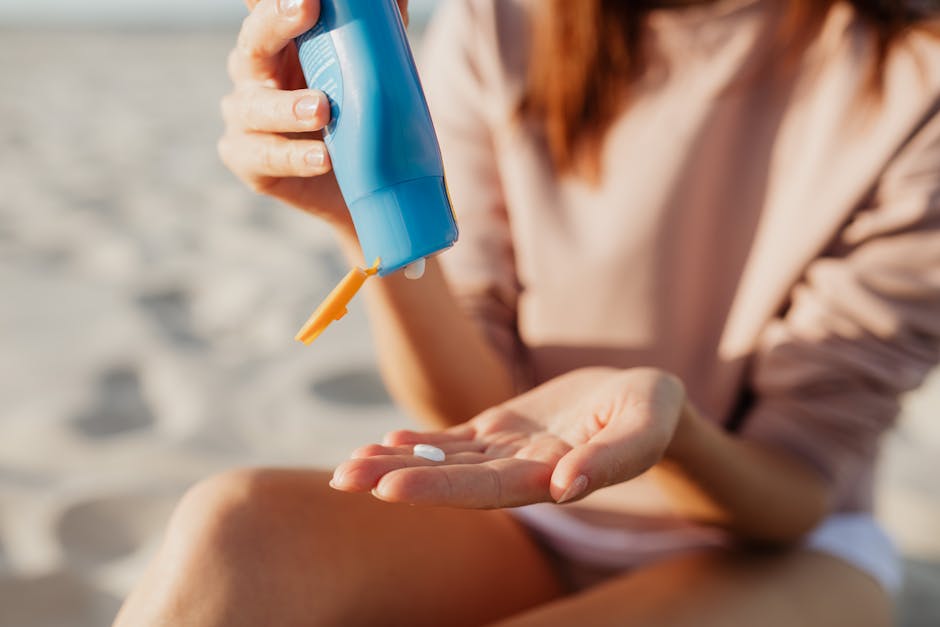
For daily wear, especially on your face, you need a sunscreen that offers high protection without feeling heavy, pilling under makeup, or leaving a ghostly white cast. The ideal facial sunscreen blends seamlessly into your skincare routine, becoming an invisible shield. While body sunscreens can work on the face, formulas designed specifically for the face often offer a better user experience and additional skincare benefits.
My bold recommendation for an everyday travel facial sunscreen is to opt for K-beauty formulations. They excel in creating lightweight, hydrating, and cosmetically elegant sunscreens that feel more like a moisturizer than traditional heavy sunblock. They consistently achieve high UVA (PA++++) and UVB (SPF 50+) protection.
My Go-To for Everyday
For a daily sunscreen that works for almost everyone and sits beautifully under makeup, reach for Beauty of Joseon Relief Sun Rice + Probiotics SPF50+ PA++++. This cult-favorite offers strong broad-spectrum protection in a non-greasy, non-pilling formula. It’s packed with rice extract and probiotics, which offer skin-calming benefits, making it excellent for sensitive skin. It leaves a natural, slightly dewy finish and feels incredibly comfortable. A 50ml tube typically costs around $14-$18.
For a Dewy Finish
If you prefer a more intensely hydrating and dewy look, especially if you have dry or dehydrated skin, the Isntree Hyaluronic Acid Watery Sun Gel SPF50+ PA++++ is an outstanding choice. This chemical sunscreen is infused with eight types of hyaluronic acid, providing intense moisture while protecting against UV rays. It’s absorbed quickly without any white cast and leaves your skin feeling plump and refreshed. It’s also fragrance-free, which is a huge plus for sensitive skin. A 50ml tube is usually priced between $15-$20.
Always remember that regardless of how elegant a sunscreen feels, its primary job is protection. Choose the one you’ll actually *want* to wear every day of your trip.
Choosing the right sunscreen is more than just buying a product; it’s an investment in your skin’s health and your ability to enjoy every moment of your travels without worry. With the right protection, you’re free to explore, discover, and soak in the world’s beauty, knowing your skin is safe from the sun’s powerful rays.