The biggest misconception about chasing the northern lights in Finnish Lapland is that booking a glass cabin guarantees a show. It does not. The aurora needs darkness, clear skies, solar activity, and enough time for you to be outside when those conditions overlap.
That sounds less romantic than a hotel advertisement, but it is the useful truth. A carefully planned four-night stay in northern Lapland can give you a sensible chance of seeing the lights. A single expensive night in a famous cabin can give you nothing but cloud.
Which Lapland base gives you the best viewing odds?
Go farther north when the aurora is the main reason for the trip
Rovaniemi is the easiest entry point, but it is not my first choice for a trip focused on aurora hunting. It also has more artificial light and heavier visitor traffic.
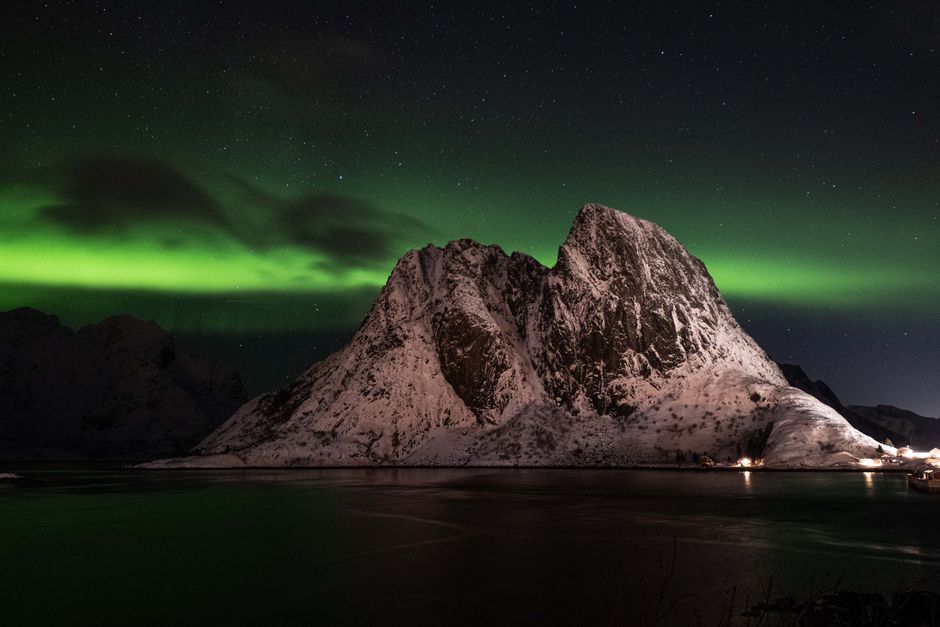
For better viewing conditions, choose Saariselkä, Ivalo, Inari, or another settlement well north of the Arctic Circle. The farther north you go, the more often the auroral oval passes overhead. A dark location matters just as much. A short drive away from streetlights can improve the sky more than paying for a luxury room with a glass ceiling.
Use this location comparison
| Base | Best for | Main advantage | Main drawback |
|---|---|---|---|
| Rovaniemi | First-time visitors and families | Easy transport, restaurants, and activities | More light pollution and higher peak-season demand |
| Levi | Skiing and nightlife | Strong daytime activity network | Resort lights can reduce nearby sky quality |
| Saariselkä | Aurora-focused trips | Dark surroundings and access to northern fells | Smaller selection of restaurants and services |
| Ivalo and Inari | Quiet stays and photography | Low-density landscapes and long dark nights | Fewer direct transport options |
My verdict is Saariselkä for most dedicated aurora travelers. It offers a workable balance between transport, accommodation, guided excursions, and darker surroundings. Choose Inari if silence and wilderness matter more than convenience. Choose Rovaniemi only when easy logistics are worth giving up some darkness.
What does a Finnish Lapland aurora trip actually cost?
A realistic four-night budget
A couple should expect roughly €1,600 to €3,500 before international flights, depending on season and room type. Budget accommodation, supermarket meals, and self-guided viewing keep the total near the lower end. A glass-roof cabin, several paid excursions, restaurant dinners, and private transfers push it much higher.
| Expense | Budget estimate | Comfortable estimate |
|---|---|---|
| Four nights of accommodation | €360–€700 | €900–€1,600 |
| Meals for two | €280–€450 | €600–€900 |
| Airport and local transport | €120–€250 | €300–€550 |
| Two aurora activities | €240–€400 | €500–€900 |
| Thermal clothing rental | €80–€160 | €160–€260 |
| Estimated total for two | €1,080–€1,960 | €2,460–€4,210 |
What the advertised prices really mean
Northern Lights Village Saariselkä lists Aurora Cabins from €229 per night and Polar Sky Suites from €329 per night. Its three-hour Aurora Camp by the Lake is listed at €159 for adults, while the four-hour Aurora Camp on the Border is €179. Those prices are useful reference points, but they can change by date, occupancy, and package terms.
A glass roof is a comfort purchase, not an aurora insurance policy. If the sky is cloudy, you are paying for a warm room with a view of clouds. I would spend the extra money on a fourth night before upgrading from a standard room to the most expensive suite.
Do not finance the trip casually
Travel credit cards often carry purchase APRs around 19.99% to 29.99%, foreign transaction fees from 0% to 3%, and cash-advance fees of about €5 to €15 or more. Those charges can erase the value of a discounted flight or hotel rate. This is not financial advice, but the practical rule is simple: use rewards or cash you already have, and do not borrow for a low-probability natural event.
How do you chase the aurora without wasting a night?
Use a repeatable evening plan
- Check cloud cover first. A strong aurora forecast is useless if thick cloud sits over your location. Use a local weather forecast alongside the Finnish Meteorological Institute space-weather information.
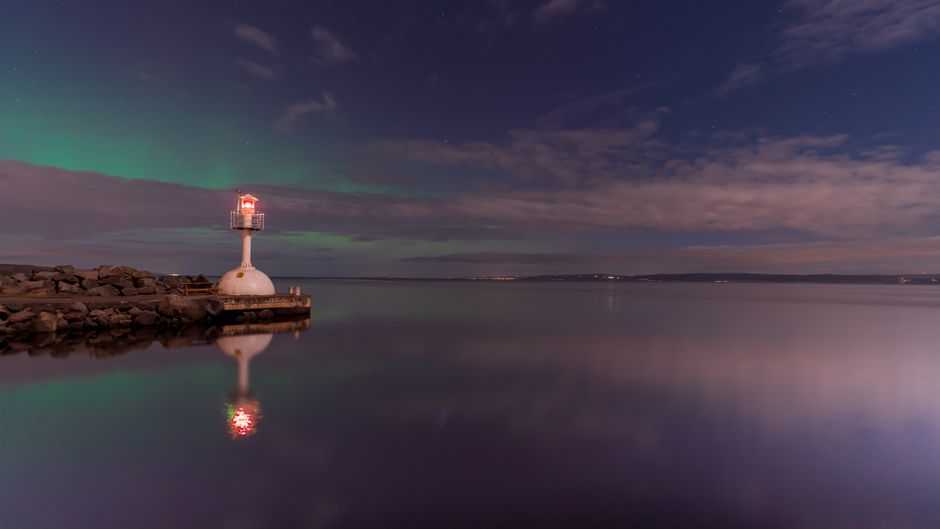
- Leave bright areas. Move away from hotel signs, parking lots, and resort centers. A dark frozen lake, open field, or fell viewpoint gives you a cleaner horizon.
- Start before midnight. Aurora displays can happen at any hour, but many tours begin between 8 p.m. and 10 p.m. Waiting until 1 a.m. every night can ruin the next day.
- Stay outside for a real window. Give each location at least 60 to 90 minutes. A quick five-minute look from a hotel balcony is not a serious search.
- Keep the camera warm. Carry spare batteries inside an inner pocket. Cold drains batteries quickly, and changing a battery outdoors with bare fingers is miserable.
Use the right camera settings
You do not need a €3,000 camera. A modern phone can record a bright display, but a tripod improves every result. For a mirrorless camera such as the Sony α7 IV, start around 10 seconds, f/1.8 to f/2.8, ISO 1600 to 3200, then shorten the shutter speed if the lights move quickly. A wide lens between 14mm and 24mm captures both the sky and the landscape.
For phone users, switch on the dedicated night mode, hold the phone steady, and avoid digital zoom. The photo will look brighter than your eyes see the sky. That is normal. The green glow often appears stronger in a photograph than it did in person.
The practical verdict
Use the forecast to choose the clearest location, not to promise yourself a display. The best strategy is repeated, flexible viewing: three or four nights, two mobile evenings, and one backup plan near your accommodation.
Should you book an aurora tour or hunt independently?
Book one guided tour, then keep the other nights flexible
My recommendation is a hybrid plan: one guided tour and at least two independent viewing nights. A guide can drive beyond local cloud, identify darker viewpoints, provide thermal clothing, and keep you from wasting an evening in a bright resort area. The downside is price and limited control. If the group leaves at 11 p.m., you leave at 11 p.m., even if the sky clears at 11:20.
Northern Lights Village Saariselkä is a useful example of the price spread. Its Aurora Camp by the Lake costs €159 per adult for three hours, while the Aurora Camp on the Border costs €179 for four hours. A snowmobile aurora hunt is listed at €338 for a shared snowmobile and €228 for an individual snowmobile. The higher price buys transport and an activity, not a stronger guarantee of seeing the lights.
When a tour is the better purchase
Choose a tour if you do not want to drive on icy roads, lack winter clothing, or have only one evening available. It is also the better choice for first-time visitors who cannot judge cloud movement, road conditions, or safe walking routes in the dark.
When not to buy a tour
Skip a second or third tour if you have several nights and access to a rental car or local transport. Repeating the same bus excursion can cost €300 to €500 per person without improving your odds much. Spend that money on another night, better meals, or warm clothing instead.
The bottom line: one guided outing is worth paying for. A tour every night is usually poor value.
What can ruin an aurora trip before it starts?
Do I need a glass-roof cabin?
No. A glass-roof room makes waiting more comfortable, but it does not solve cloud, low activity, or light pollution. For a short trip, extra nights are more useful than a premium roof. A standard room near a dark area can beat a luxury cabin under an overcast sky.
Can I rely on an aurora app?
No app can promise that you will see the lights from your hotel. Apps can show solar activity, but local cloud cover and your exact position matter more on the night. Treat the forecast as a reason to go outside, not as a ticket to a guaranteed show.
What clothing mistake causes the most problems?
Travelers often bring a warm coat but ignore their feet, hands, and face. At night, you may stand still for an hour in temperatures below -10°C. Use a moisture-wicking base layer, an insulating middle layer, a windproof outer layer, wool socks, insulated boots, mittens, a hat, and a face covering. Tight boots are a mistake because they leave no room for warm air.
Do not schedule a tightly packed itinerary. Snowmobile rides, husky tours, and long aurora waits are tiring. Leave at least one slow afternoon between major activities, and keep the final night free for a last viewing attempt. The best trip plan assumes that nature will ignore your timetable.