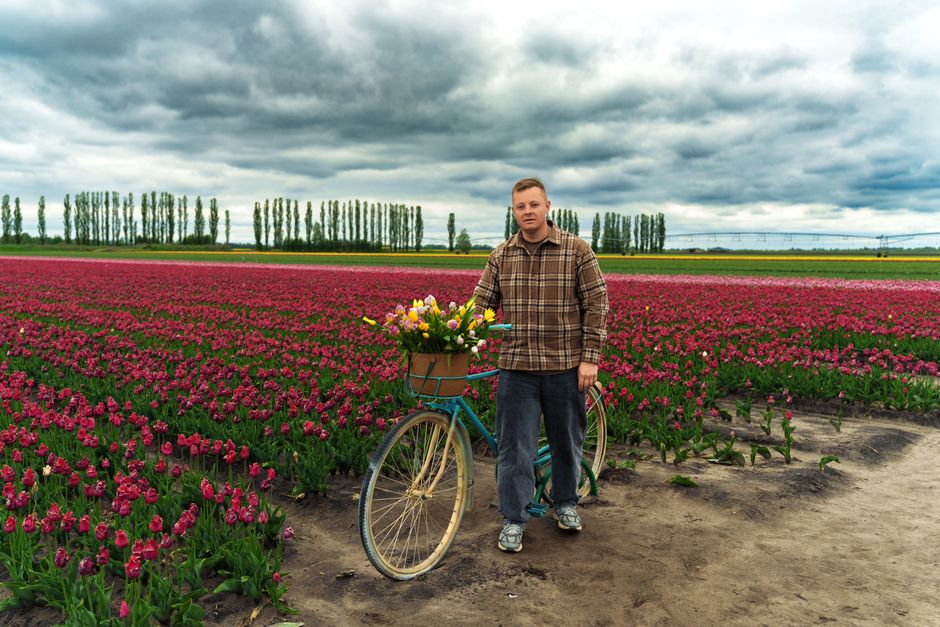
Keukenhof plants more than 7 million flower bulbs, but my best tulip-field day did not happen inside the famous park. It happened on a rented city bike, outside Lisse, with the fields stretching across both sides of a quiet lane.
Cycling through the Dutch tulip fields in April is cheaper and more flexible than joining a bus tour, but only if you get the timing and route right. The best plan for 2026 is a 35–39 kilometre loop around Lisse, Hillegom, and Noordwijkerhout, with an early start and enough time for wind, photo stops, and one proper café break.
When do the Dutch tulip fields bloom in April?
The safest April window is the middle of the month
Tulip timing changes with winter temperatures, so no calendar can promise a perfect field. In a normal spring, daffodils arrive first, hyacinths follow in March and early April, and tulips reach their strongest display from the middle of April into the first days of May. That makes roughly 12–25 April the best single trip window.
Early April can still be excellent, especially for early tulip varieties, but the landscape may look patchy. Late April brings more open flowers, yet some growers start cutting blooms to protect the bulbs. I would choose 15–22 April for a first visit and keep one spare day in the itinerary.
Check field reports instead of trusting old photos
Do not book a non-refundable day trip because a photograph online shows perfect red and yellow stripes. Fields can be rotated, harvested, or planted with later varieties. Check the local flower report a few days before departure, then choose the route with the strongest current bloom rather than the route with the best-looking social media image.
Morning is usually better than afternoon. The light is softer, cycle paths are calmer, and you avoid the largest crowds around Keukenhof. The official regional route pages also list current cycling options, including the 39-kilometre Heart of the Bulb Region route.
Which Dutch tulip route is best by bike?
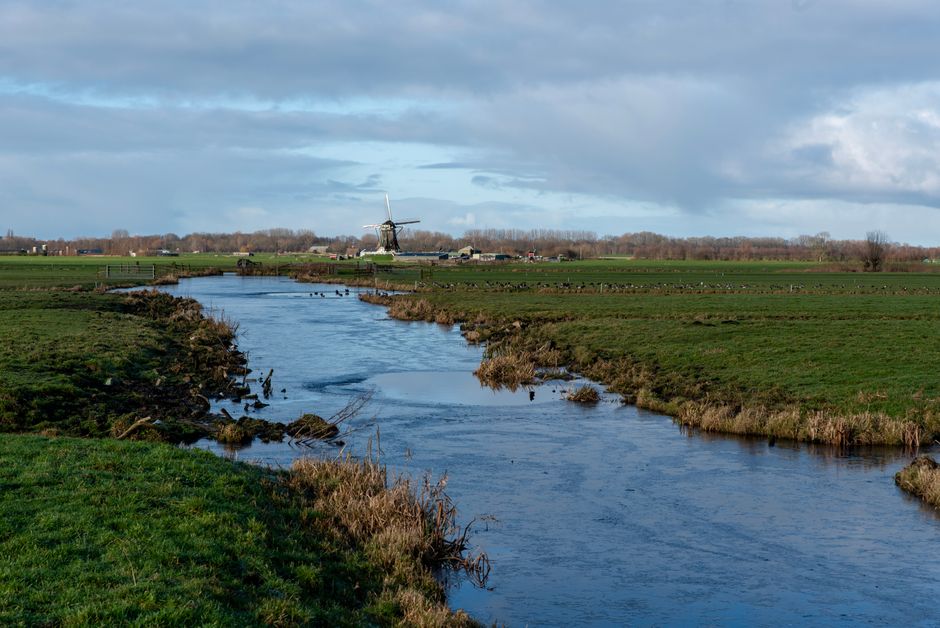
Choose the Lisse loop for the classic first visit
For a first ride, I prefer a loop beginning and ending in Lisse. You can pass Keukenhof, the Keukenhof estate, Hillegom, and several working bulb fields without committing to a long out-and-back ride. The official Dutch Flower Route around Lisse is about 37 kilometres, while the wider route through the heart of the Bulb Region is about 39 kilometres.
Those distances sound easy, and they are on a normal Dutch city bike. The mistake is treating the ride as a race. Allow five to seven hours, including stops. The flat terrain hides the real time cost: stopping every ten minutes for photographs, waiting at road crossings, finding a toilet, and checking the map when several cycle paths meet.
Ride north when you want fewer crowds
Lisse is the obvious base, but Hillegom and Noordwijkerhout can feel calmer once you leave the Keukenhof area. A northbound route gives you more open farmland and the option to continue toward the dunes and the coast. You trade some famous viewpoints for quieter lanes and better chances of finding a bench without a tour group nearby.
Use Dutch cycle junction numbers rather than relying on a phone screen all day. Download the route before leaving, because rural signal can be uneven. Stay on marked cycle paths, yield at crossings, and never stop in the middle of a narrow lane to take a photograph. The route is better when you move with local bicycle traffic instead of fighting it.
What should you pack for cycling the fields?
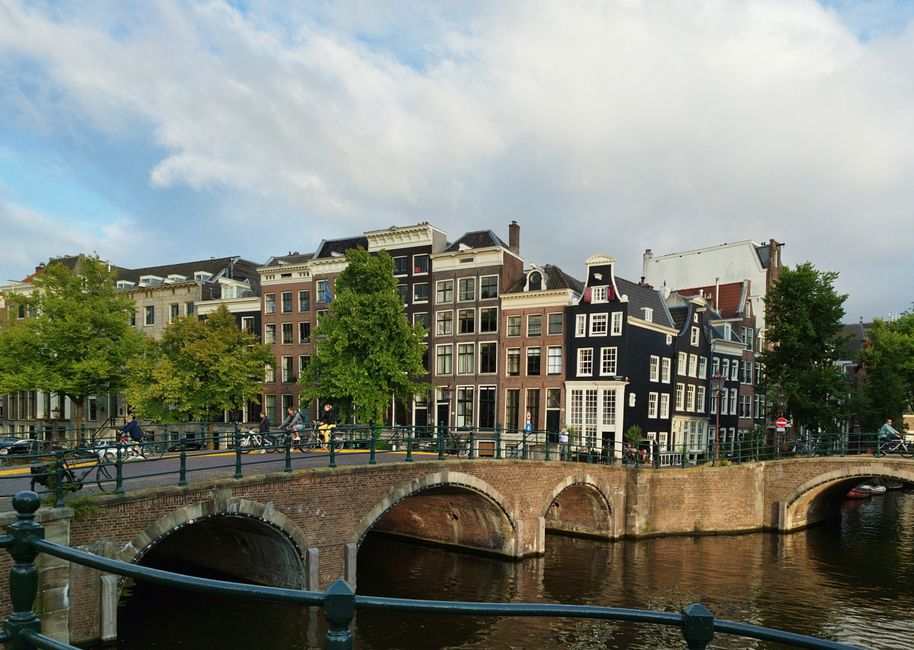
Rent the bike, buy the weather protection
For a one-day trip, I would rent a Dutch city bike rather than bring a touring bike on the train. Look for working lights, a rear rack, a bell, a stable kickstand, and a lock that actually secures the frame. A heavy Dutch bike feels slow in a shop yard but becomes comfortable on rough cycle paths and windy stretches.
- Ortlieb Back-Roller Classic panniers cost about €199.99 per pair, hold 40 litres, and are the best choice if you are carrying a camera, lunch, and a spare layer.
- The Garmin Edge Explore 2 costs about €299.99, has a 3.5-inch touchscreen, and offers up to 16 hours of battery life. It is useful for multi-day cycling, but excessive for one marked flower route.
- The Patagonia Torrentshell 3L Jacket costs about €180 and gives you a proper three-layer waterproof shell. For one April day, this is the only premium item I would seriously consider.
- Pack thin gloves, sunglasses, sunscreen, a power bank, a refillable bottle, and one plastic bag for wet clothing.
My cheaper setup works better for tourists
Most visitors do not need expensive cycling equipment. Rent the bike, carry a small daypack, and bring a €20–€40 rain jacket you already own. The best upgrade is a phone mount or offline navigation, not carbon wheels. If you need your own bicycle for several days, the Decathlon Riverside 500, a 9-speed hybrid bike priced around €349.99, is a practical value choice, but I would not buy it for a single tulip outing.
Wear shoes with a firm sole and enough grip for walking around cafés and viewpoints. Clipless cycling shoes are a poor match for this trip because you will stop often and walk on gravel. Comfort wins over speed.
Which mistakes ruin a tulip-field bike ride?
My strongest advice: never enter a working flower field
The flowers are not a public garden. Walking between the rows can damage plants and spread disease between farms. Take photographs from the road edge or use a designated display garden. The regional tourism authority specifically warns visitors to stay out of the fields, and the rule matters even when the perfect picture is only two metres away.
- Starting at noon: You meet the largest crowds near Keukenhof and lose the calmest light. Start by 8:30 or 9:00.
- Planning too many attractions: A 39-kilometre route plus three museums becomes a rushed checklist. Choose one paid stop.
- Ignoring wind: A flat route can still feel hard when a strong headwind lasts for 15 kilometres. Leave energy for the return leg.
- Trusting the weather app: April can bring sun, rain, and cold wind on the same ride. Bring waterproof protection even when the morning forecast looks clear.
- Leaving without food: Cafés are not evenly spaced, and popular ones fill quickly. Carry a sandwich and at least 750 millilitres of water.
When not to rent an e-bike
Skip the e-bike if you are comfortable cycling 40 kilometres on flat roads. It costs more, requires charging checks, and can feel awkward in busy cycle traffic. Choose one for mobility limits, strong wind, or a companion who would otherwise struggle to keep pace. The clear verdict is a standard city bike for most healthy adults; the e-bike is a comfort tool, not a sightseeing requirement.
Should you cycle the fields or visit Keukenhof?
Is Keukenhof worth the ticket?
Yes, if you want carefully designed flower displays, toilets, food stalls, and thousands of varieties in one controlled setting. No, if your main goal is the broad agricultural landscape. Keukenhof gives you density and certainty; the surrounding fields give you space and the feeling of discovering a real working region.
I would not spend the whole day inside the park after travelling to the Netherlands for open landscapes. Visit at opening time for two or three hours, then cycle into the surrounding villages. That combination gives you polished garden displays and the larger views that photographs of the region usually promise.
Can you combine both in one day?
Yes, but only with a short route. Pair Keukenhof with a 15–20 kilometre loop around Lisse, not the full 39-kilometre circuit. The park itself takes several hours, and the crowds make a rushed cycling schedule unpleasant.
For independent travellers, my verdict is simple: cycle the fields if you have one day and want value; add Keukenhof if flowers are the main reason for the trip and the extra admission fits your budget. Do not buy a tour that claims to show every highlight in a few hours. The geography does not allow that without turning the day into transport between stops.
My best one-day April cycling plan
Follow this order
- Take an early train toward Leiden and collect a reserved bicycle near your starting point.
- Ride toward Lisse before the main Keukenhof crowds arrive.
- Spend two hours at Keukenhof or skip the park and continue through the bulb fields.
- Stop at the edge of a designated display garden for photographs, never inside a working field.
- Continue toward Hillegom or Noordwijkerhout, then stop for lunch before the afternoon wind rises.
- Return through the marked cycle junctions and leave time for a slow final section near Lisse.
The compressed verdict
For a first trip, book a mid-April weekday, rent a standard Dutch city bike, and ride the Lisse–Hillegom loop. Budget about €90 for transport, food, rental, and one small attraction. Add an e-bike only for comfort, not because the route demands it.
That plan leaves room for the parts people remember: a quiet lane between fields, a sudden wall of colour beyond a hedge, coffee after the rain, and enough daylight to ride back without staring at the clock.