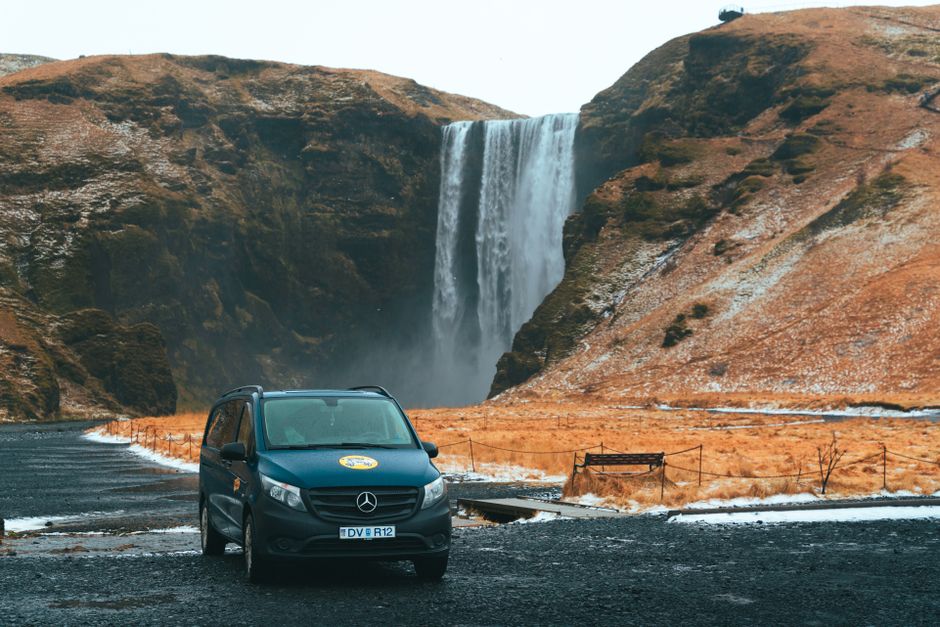
Most first-timers think they need a $300-per-day guided tour to see Iceland. They don’t. The Ring Road (Route 1) is one of the easiest self-drive routes on Earth. You rent a car, you follow a circle, you stop when you see something incredible. That’s it. The mistake people make is packing too much in, booking the wrong car, or staying in Reykjavik every night and driving 6 hours back and forth. This plan fixes that.
This is the exact 7-day loop I recommend to friends who have never been. It covers the south coast waterfalls, the glacial lagoon, the east fjords, the north’s volcanic weirdness, and the Snæfellsnes peninsula — without making you feel like you live in the car. I’ve included exact driving times, where to sleep, and what to skip.
What the Ring Road Actually Costs (Real Numbers)
Iceland is expensive. There’s no hack around that. But you can control where the money goes. The biggest line items are car rental, fuel, and accommodation. Food is a trap if you eat every meal in a restaurant.
Here’s a realistic per-person budget for 7 days in summer 2026, based on two people sharing a car and a double room:
| Expense | Budget Option | Mid-Range Option | Notes |
|---|---|---|---|
| Car rental (7 days, 2WD) | $450 | $700 | Book early. A 2WD is fine for Ring Road in summer. |
| Fuel (approx. 2,500 km) | $250 | $300 | Gas is ~$2.20/L. Fill up in Reykjavik, not rural stations. |
| Accommodation (6 nights) | $600 | $1,200 | Guesthouses and farm stays beat hotels. |
| Food (per person) | $250 | $500 | Bonus and Krónan supermarkets are your friend. |
| Activities (lagoons, parking) | $100 | $250 | Skip Blue Lagoon. More on that below. |
| Total per person | $825 | $1,475 | Flights not included. |
The single biggest mistake first-timers make is booking a 4WD SUV “just in case.” In summer, the entire Ring Road is paved. A 4WD only matters if you plan to drive F-roads into the highlands. If you’re not doing that, you’re paying $400 extra for nothing. Book a compact car from a local company like Blue Car Rental or Lotus Car Rental. They include CDW insurance in the base price. Hertz and Europcar will add $30/day for the same coverage.
Day-by-Day: The Route That Doesn’t Waste Your Time
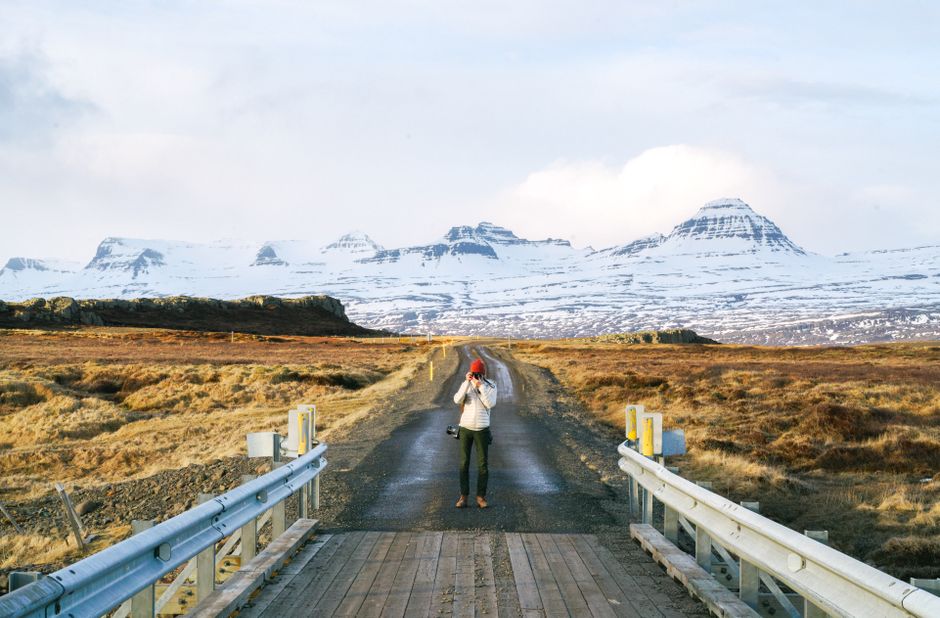
Here’s the loop. I’ve put the exact driving time for each leg. These are Google Maps times without stops. Add 50% for photos, lunch, and standing in awe.
Day 1: Keflavík to Vík (2.5 hours driving, 4+ hours stopping)
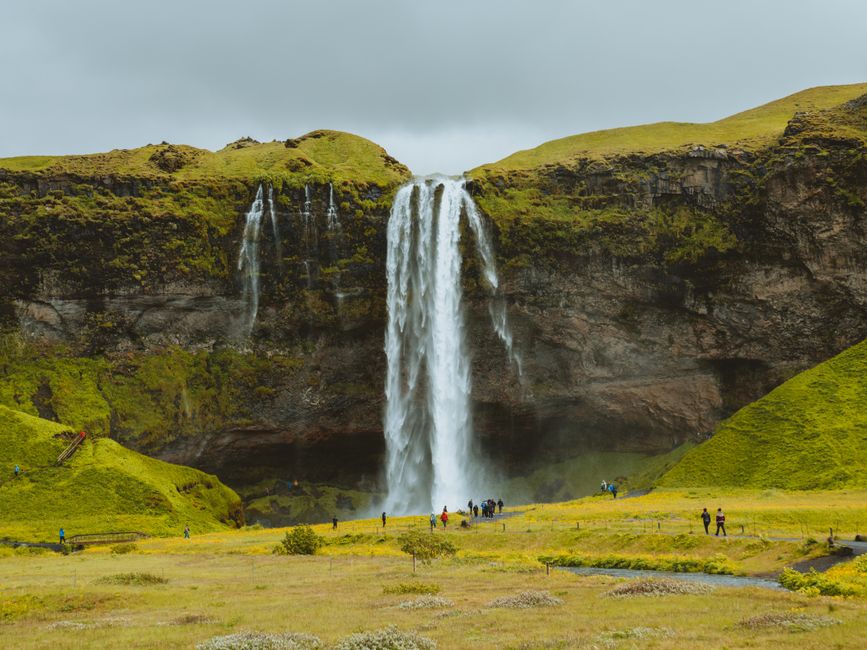
Land early. Get the car. Drive straight to the south coast. Stop at Seljalandsfoss (walk behind it) and Skógafoss (climb the stairs to the top). Sleep in Vík. This gets you past the tourist bottleneck before the tour buses arrive the next morning.
Day 2: Vík to Höfn (3.5 hours driving)
Reynisfjara black sand beach at 8am before the crowds. Then the Jökulsárlón glacier lagoon and Diamond Beach. Sleep in Höfn. Eat langoustine at Pakkhús if you want one splurge meal.
Day 3: Höfn to Egilsstaðir (3.5 hours driving)
The east fjords. This is the day people skip by driving through. Don’t. Stop in Djúpivogur for coffee. The road winds along the coast and looks like a different country. Sleep in Egilsstaðir. Visit Vök Baths if you want a hot spring without the Blue Lagoon price tag.
Day 4: Egilsstaðir to Akureyri (3 hours driving, plus detours)
Detour to Dettifoss (Europe’s most powerful waterfall) via Route 862. Then Mývatn for the geothermal area and the natural baths. Sleep in Akureyri. This is the longest day if you do all the stops. Start early.
Day 5: Akureyri to Snæfellsnes (4 hours driving)
Stop at Goðafoss on the way out. Then drive the long stretch through northwest Iceland. It’s empty. It’s beautiful. Sleep somewhere on the Snæfellsnes peninsula, like Grundarfjörður or Ólafsvík.
Day 6: Snæfellsnes Peninsula
Kirkjufell mountain, Djúpalónssandur beach, and the Berserkjahraun lava field. This is the “Iceland in miniature” day. You can do the whole peninsula in one loop and sleep in Borgarnes.
Day 7: Borgarnes to Keflavík (2 hours driving)
If your flight is late, stop at the Sky Lagoon near Reykjavik instead of Blue Lagoon. It’s cheaper, less crowded, and has an infinity edge overlooking the ocean. If you have time, Reykjavik’s Hallgrímskirkja church and a hot dog from Bæjarins Beztu Pylsur.
Where People Mess This Up
Three failure modes repeat every summer. Avoid them.
- Booking accommodation too late. Vík and Höfn have maybe 20 places to sleep each. By April, summer weekends are gone. Book every night before you book flights. No, seriously.
- Underestimating the weather. “Summer” in Iceland means 10°C and sideways rain. Pack a waterproof shell and wool layers. The wind will destroy a cheap umbrella in 10 minutes.
- Planning 6 hours of driving per day. You will hate it. The Ring Road is 1,332 km. Over 7 days, that’s 190 km per day. That’s 2.5 hours of driving. If your plan has a 5-hour day, cut a stop.
The other mistake is treating Iceland like a checklist. You don’t need to see every waterfall. There are 10,000 of them. Pick the ones on this route and enjoy them. The moment you start rushing to the next stop is the moment the trip stops being fun.
Blue Lagoon vs. Sky Lagoon: Pick One
Blue Lagoon is the most overrated tourist trap in Iceland. It’s $100+ per person, packed with people taking selfies, and it’s not even a natural hot spring — it’s runoff from a geothermal power plant. The water is the same milky blue, but you’re paying for the brand.
Sky Lagoon, 15 minutes from Reykjavik, costs about $60 and has a 7-step ritual that includes a cold plunge and a sauna with floor-to-ceiling windows over the ocean. It’s the better choice. If you want a truly natural experience, the Mývatn Nature Baths in the north cost $40 and have the same geothermal water without the crowds. Or the local swimming pools in every town — they cost $8 and are where Icelanders actually go.
What to Pack (The Short Version)
You don’t need hiking boots unless you plan to hike. You need waterproof everything and layers. Here’s the exact list I send people:
- Waterproof shell jacket — not water-resistant. Waterproof. Look for taped seams.
- Wool base layers — merino if you can afford it. Synthetic if you can’t.
- Waterproof pants — you will wear these every day, especially at waterfalls.
- Gloves and a beanie — even in July, the wind cuts through.
- A power bank — your phone will die from cold and constant photo-taking.
- Swimsuit — for the hot springs and local pools.
- Sleep mask — it doesn’t get dark in June and July.
Skip the fancy camera if you’re not a photographer. A modern phone takes better photos than a cheap DSLR on auto mode, and you won’t have to carry it up 400 stairs at Skógafoss.
The Verdict: Do It Yourself, But Do It Smart
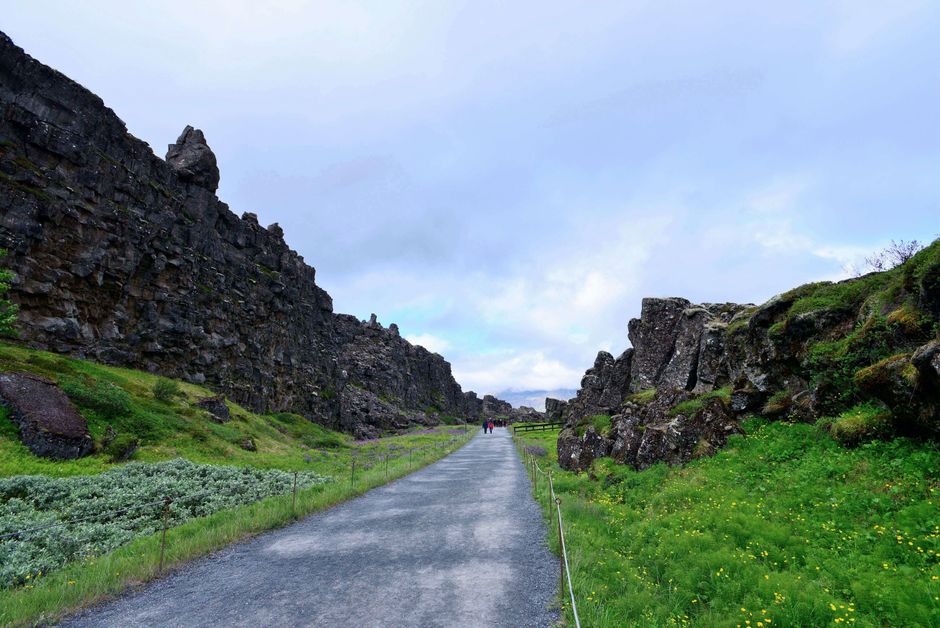
Iceland is not a place to be lazy about planning. The country rewards people who book early, drive modest daily distances, and skip the Instagram-famous spots that charge $100 for a lukewarm bath. The Ring Road is not a difficult drive. It’s a two-lane road that goes in a circle. The difficulty is deciding what to leave out.
If you follow this plan — 2.5 to 3.5 hours of driving per day, guesthouses booked in advance, supermarket food, and one lagoon instead of three — you’ll see the best of Iceland for under $1,000 per person before flights. You’ll also avoid the mistake most first-timers make: spending half the trip in a car, racing to the next stop, and missing the whole point of being there.
The person who lands in Keflavík with this plan and a waterproof jacket is going to have a very different trip from the person who wings it. Be the first person.