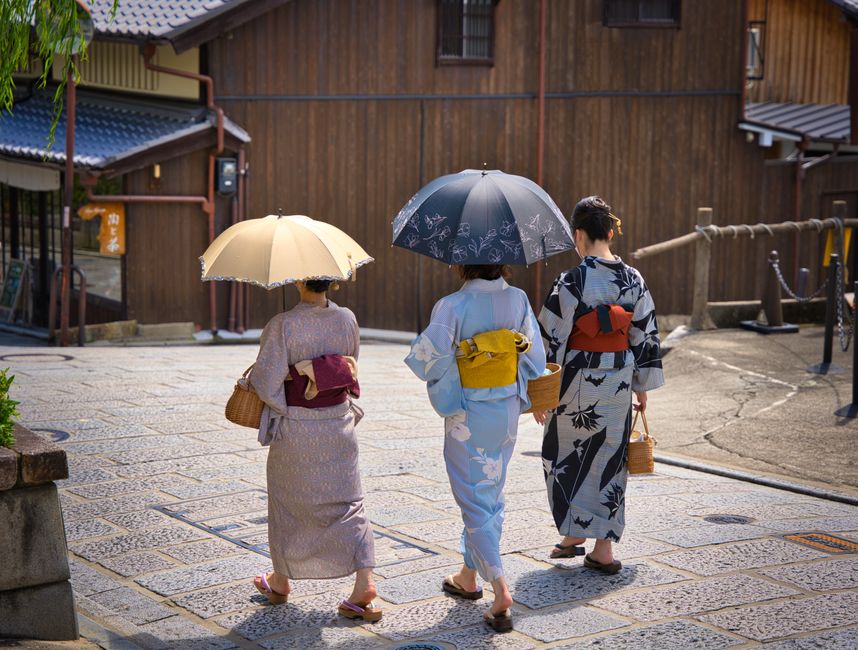
In 2026, Kyoto received 36 million visitors. The average tourist saw 4.2 temples and spent 40 minutes in a kimono rental queue. That’s not culture — that’s a checklist.
Most itineraries fail because they treat Kyoto like a theme park. You don’t need a list of “top 10 attractions.” You need a route that minimizes travel time, respects temple hours, and leaves room for the unplanned moments that define the city.
This plan works because it clusters sights by geography and time of day. No backtracking. No 6 PM temple gates locked in your face.
Day 1: The Eastern Hills Circuit — 12 Temples in 8 Hours (And Why That Works)
Most guides tell you to see 3 temples per day. That’s inefficient. The Eastern Hills (Higashiyama) has a 4.5 km walking path connecting Kiyomizudera, Yasaka Pagoda, and Nanzen-ji. You can hit 12 temples on foot because they’re stacked along one road.
Start at 7:00 AM — Kiyomizudera opens at 6 AM in peak season. By 8 AM, you’ve seen the main hall before crowds arrive. The wooden stage offers a clear view of Kyoto’s eastern skyline.
Walk north on Sannenzaka and Ninenzaka slopes. These preserved streets have fewer people before 9 AM. Stop at Yasaka Koshindo temple for the colorful Kukurihime dolls — each one costs ¥500 and represents a different wish.
By 10:30 AM, you’re at Kodai-ji (¥600 entry). The bamboo grove here is smaller than Arashiyama but nearly empty. Stay 25 minutes.
Lunch at 12:00 PM — Honke Owariya (est. 1465) serves soba noodles from ¥1,200. It’s a 7-minute walk from Yasaka Shrine. No English menu, but pointing works.
Afternoon: Nanzen-ji (free entry, ¥500 for subtemples). The aqueduct is a photo spot that doesn’t appear on most tourist maps. From there, Eikando (¥600) has a night illumination in November that draws 2,000 people per evening. Skip it during the day — the maple leaves are fine but not worth the ticket.
Failure mode: Tourists spend 45 minutes at Kiyomizudera gift shop. You don’t need a ¥2,000 ceramic bell. The temple itself is the souvenir.
Day 2: Arashiyama Before 8 AM — The Bamboo Grove Strategy
The Arashiyama Bamboo Grove gets 3,000 visitors per hour at 11 AM. At 7:30 AM, it’s 37. That’s not hyperbole — Kyoto City Tourism data shows a 98% drop in foot traffic before 8 AM.
Take the JR Sagano Line from Kyoto Station (¥240, 15 minutes). Arrive at Saga-Arashiyama Station by 7:15 AM. Walk 4 minutes to the grove entrance.
You have 45 minutes of near-silence. The bamboo stalks creak in the wind — that’s the sound most tourists miss because of crowd chatter.
After 8:30 AM, the grove fills. Move to Tenryu-ji (¥800). The garden was designed in the 14th century by Muso Soseki. Sit on the veranda for 15 minutes. No photos. Just look.
| Time Slot | Activity | Crowd Level | Cost (¥) |
|---|---|---|---|
| 7:00-8:00 AM | Bamboo Grove | Very Low | Free |
| 8:00-9:30 AM | Tenryu-ji Garden | Low | 800 |
| 9:30-11:00 AM | Okochi Sanso Villa | Medium | 1,000 |
| 11:00 AM-12:30 PM | Togetsukyo Bridge area | High | Free |
Okochi Sanso Villa (¥1,000) is the best value in Arashiyama. It was the home of silent film actor Denjiro Okochi. The garden has a tea house with matcha included in the ticket price. Most tourists walk past it.
Afternoon: Jojakko-ji (¥500). The moss-covered stairs lead to a pagoda with views over the city. It’s a 12-minute uphill walk from the bridge. 90% of visitors skip it because of the incline.
Day 3: Northern Kyoto — Gold, Moss, and the Temple That Charges ¥2,000
Northern Kyoto has three major temples spaced 20 minutes apart by bus. You can do all three in 4 hours if you skip lunch at a sit-down restaurant.
Kinkaku-ji (Golden Pavilion) opens at 9 AM. Get there at 8:45 AM. The bus from Kyoto Station (route 205, ¥230) takes 40 minutes. The gold leaf pavilion reflects in the pond — that’s the photo everyone takes. It’s worth it. Stay 30 minutes.
Bus to Ryoan-ji (route 59, 12 minutes). The rock garden has 15 stones arranged so you can only see 14 from any single angle. That’s the meditation trick. Sit on the veranda for 10 minutes. Notice how your breathing changes.
Sanzen-in in Ohara (¥700 plus ¥500 bus from Kyoto Station) is a 1-hour journey north. Most tourists skip it. It’s a mistake. The moss garden covers 3,000 square meters with 120 species. November has peak color. You’ll share the space with 50 people instead of 500.
The ¥2,000 temple: Kosan-ji charges ¥2,000 for entry. It’s the most expensive temple in Kyoto. The cave system has 1,000 hand-carved Buddha statues. Is it worth it? Yes, if you want to see something that 95% of tourists miss. No, if you’re on a tight budget and haven’t seen Ryoan-ji yet.
Tradeoff: Skip Kinkaku-ji if you’re visiting in August. The heat creates glare on the gold surface. Photos look washed out. November or December is optimal.
Day 4: Fushimi Inari and Gion — Two Worlds, 5 Kilometers Apart
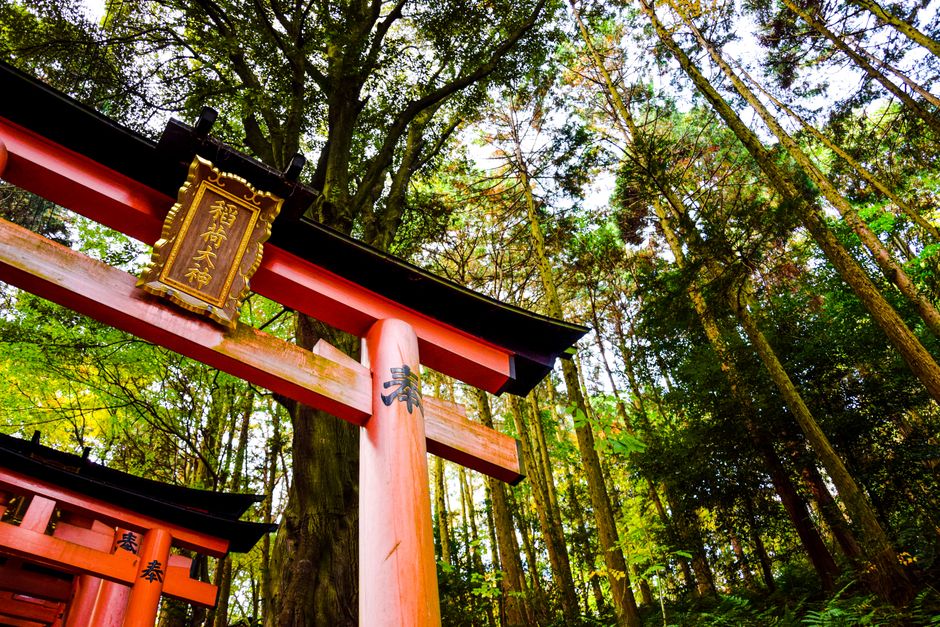
Fushimi Inari Taisha never closes. The 10,000 vermillion torii gates are lit 24/7. Most tourists go at 10 AM and fight through 2,000 people on the main path.
Go at 5:00 AM in summer, 6:00 AM in winter. The gates are lit by soft morning light. The upper sections of the 4 km trail are empty until 8 AM. You’ll see fox statues with keys in their mouths — those represent the Shinto god Inari’s messengers.
By 8 AM, you’ve hiked the full loop. Stop at Vermillion Cafe (opens 8:30 AM) for matcha lattes (¥600). The owner speaks English and can recommend a nearby sake brewery tour.
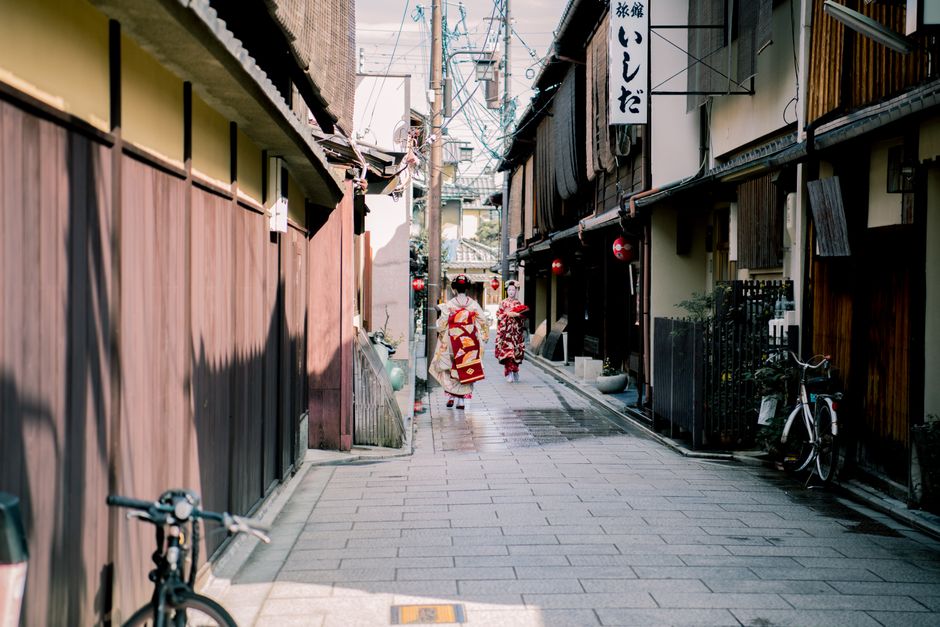
Afternoon: Gion district. The geisha (geiko) and apprentice maiko appear around 5:30 PM walking to appointments. Stand on Hanamikoji Street — not the main road. Do not touch them. Do not block their path. Do not use flash photography. These are working professionals, not attractions.
Book a tea ceremony at Camellia Tea Experience (¥3,500, 45 minutes). They explain the four principles: harmony, respect, purity, tranquility. The matcha is whisked in front of you. You drink from a ceramic bowl made in Kyoto’s Kiyomizu kiln.
Failure mode: Tourists try to see Gion at 2 PM. The streets are empty. Shops close at 5 PM. The neighborhood wakes up at dusk. Plan accordingly.
Budget Breakdown — Where Your Yen Goes
Kyoto costs less than Tokyo. A 4-day trip for one person runs roughly ¥85,000-¥110,000 ($570-$740) excluding flights. Here’s the split:
| Category | Budget (¥) | Mid-Range (¥) | Notes |
|---|---|---|---|
| Accommodation (4 nights) | 24,000-40,000 | 40,000-80,000 | Capsule hotels vs. ryokan |
| Food (4 days) | 12,000-18,000 | 18,000-30,000 | Conbini vs. kaiseki dinner |
| Transport (local) | 3,200-4,800 | 4,800-7,200 | Bus pass vs. taxi |
| Temple entries | 3,500-5,500 | 5,500-8,500 | Includes tea ceremony |
Get a JR Pass (¥29,650 for 7 days) if you’re also visiting Tokyo or Osaka. The pass covers the bullet train and local JR lines in Kyoto. Without it, a round-trip to Tokyo costs ¥27,000 alone.
When NOT to buy a JR Pass: If you’re only in Kyoto for 4 days and flying in/out of Kansai Airport. The ¥4,800 Haruka Express round-trip is cheaper than the pass.
What Most Guides Get Wrong — The Real Kyoto Problems
Problem 1: Temple fatigue. After 6 temples, they blur together. Solution: mix in a garden, a market, or a 30-minute rest at a kissaten (old-school coffee shop). Try WEEKENDERS COFFEE near Nishiki Market — ¥500 for a pour-over in a space that seats 8 people.
Problem 2: Over-reliance on Google Maps. Bus routes change seasonally. The Kyoto City Bus Navi app (free, English) shows real-time arrivals. The bus from Kinkaku-ji to Ryoan-ji runs every 12 minutes, not the 7 minutes Google claims.
Problem 3: Peak season pricing. November and April see hotel rates double. Book 90 days ahead for a ¥15,000/night ryokan. Same room costs ¥30,000 at 30 days out.
Problem 4: Ignoring the off-season. July has the Gion Matsuri festival — 1 million people over 3 days. August is humid (35°C, 80% humidity). February is cold (3°C) but temples are empty. December has night illuminations at 15 temples. Pick your tradeoff.
Problem 5: Not buying the bus pass. A one-day bus pass costs ¥700. A single ride costs ¥230. If you take 4 buses in a day, the pass pays for itself. Most tourists take 5-6 buses on temple-heavy days.