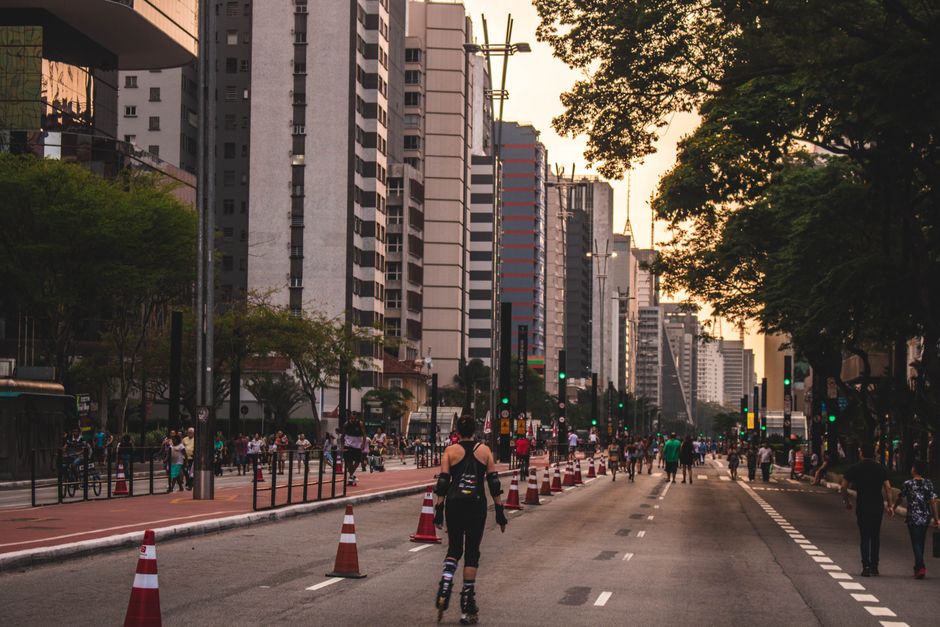
You’re standing at the edge of Mercado de la Merced. The smell of sizzling chorizo hits you. A woman is pressing fresh tortillas by hand. A man behind a stainless steel cart is slicing pineapple off a vertical spit of pork. You have no idea which line to join. You’re hungry. You’re also slightly nervous about your stomach.
This guide fixes that. No fluff. Just the exact steps to eat well and stay healthy in Mexico City’s street food markets in 2026.
Why Street Food Markets Are the Best Entry Point for Beginners
Street food markets solve the two biggest problems new visitors face: quality uncertainty and language barriers.
At a market like Mercado de San Juan or Mercado Roma, you see dozens of stalls side by side. You watch locals order. You see ingredients being prepped in real time. If a stall has a line of Mexican workers at 1 PM on a Tuesday, that’s your signal. No Yelp review carries more weight than that.
Markets also concentrate variety. In one 15-minute walk, you can sample tacos al pastor, tlacoyos, fresh ceviche, and a churro with cajeta. You don’t need to navigate 10 different neighborhoods on your first day.
The 2026 update: several markets now accept digital payments via Clip terminals or Mercado Pago QR codes. That said, carry 200-300 pesos in small bills. Many stalls still operate cash-only.
How to Pick a Safe Stall: The 3-Minute Scan
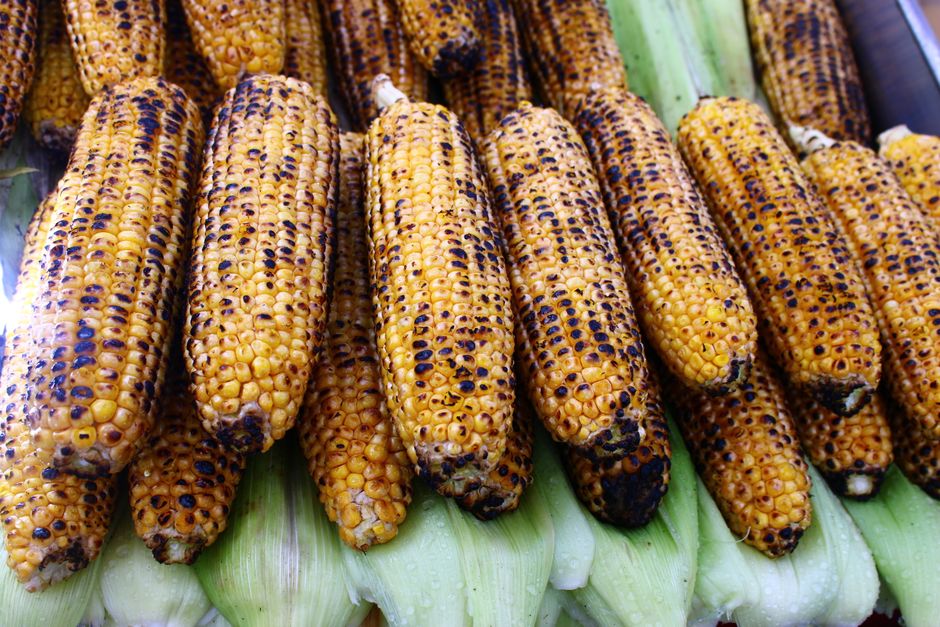
Here’s the system I used across 14 different market visits. It takes 60 seconds per stall.
Watch the turnover
If the cook is standing idle, keep walking. High turnover means ingredients don’t sit out. A stall that’s constantly restocking its al pastor spit or refilling its salsa pots is a stall that moves product fast. That’s what you want.
Check the heat
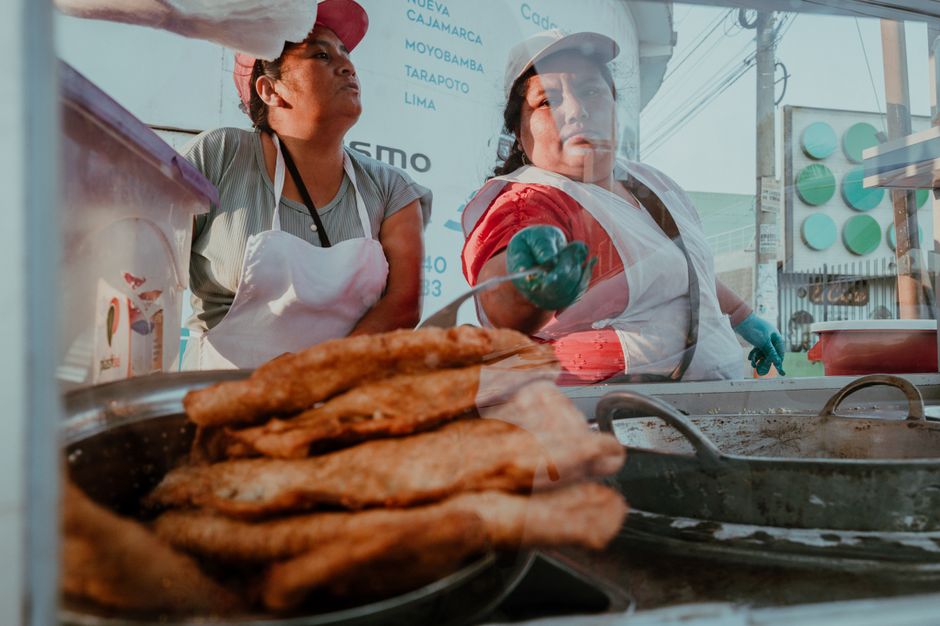
Everything should be cooked to order or held at a visible hot temperature. Avoid any stall where pre-cooked food sits under a lukewarm heat lamp. The good stalls fire up the comal fresh for each taco.
Look for the basics
Does the stall have running water? A clean cutting board? The cook handling money then touching food without washing hands? Walk away. This isn’t about being precious. It’s about avoiding a ruined afternoon.
My rule: I only eat at stalls where the cook uses separate hands or gloves for money and food. That single filter eliminates maybe 30% of stalls and saves you 100% of trouble.
What to Order First: The 5 Beginner-Friendly Dishes
Start with these. They’re forgiving, widely available, and delicious even when executed by an average cook.
| Dish | What it is | Why it’s beginner-safe | Average price (2026) |
|---|---|---|---|
| Tacos al pastor | Marinated pork from a vertical spit, with pineapple | Cooked to order, high turnover, universally loved | 15-25 pesos each |
| Quesadillas (without cheese) | Corn tortilla folded with huitlacoche, squash blossom, or mushroom | Vegetarian option, cooked on the comal, hard to mess up | 20-30 pesos |
| Tlacoyos | Thick oval masa cakes stuffed with beans or fava beans | Pre-cooked then griddled, low risk, filling | 15-25 pesos |
| Elote (street corn) | Boiled or grilled corn with mayo, chili, lime, and cotija cheese | You see exactly what goes on it. Customize the spice level. | 25-40 pesos |
| Pambazo | Bread dipped in guajillo sauce, filled with potato and chorizo | Hearty, sealed in a press, very low risk | 30-45 pesos |
One hard rule: never order raw seafood from a stall on your first visit. Ceviche is safer than raw oysters, but even ceviche should be eaten at a stall you’ve watched for 10 minutes of steady business.
The 3 Common Mistakes That Ruin Your First Visit
I made all three. You don’t have to.
Mistake 1: Eating at the first stall you see
The stalls at the market entrance are tourist magnets. They pay higher rent. They don’t need repeat customers. Walk to the back. The best food is usually deep inside, where locals shop for their weekly groceries. At Mercado de la Merced, the good stalls start in Section 3 and beyond.
Mistake 2: Drinking tap water or ice from unknown sources
Bottled water is everywhere. A 1.5-liter bottle costs 15-20 pesos. Most stalls use purified ice — it’s standard practice in Mexico City. But if you see a vendor scooping ice from a block with a hand tool, skip the drink. Stick to bottled Boing (a popular Mexican fruit drink) or Jarritos soda. Both are sealed.
Mistake 3: Not having a backup plan for payment
You’ll find stalls that accept cards via Clip terminals. You’ll also find stalls where the only payment option is a crumpled 50-peso note. The ATMs at markets charge high fees — sometimes 40-60 pesos per withdrawal. Bring your cash from a bank ATM in the city center.
Mercado de San Juan vs. Mercado Roma: Which One Fits Your Style?
These are the two most beginner-friendly markets in 2026. They serve different purposes.
Mercado de San Juan (Centro Histórico) is the foodie’s choice. It’s smaller, cleaner, and more expensive. You’ll find exotic meats — iguana, lion, crocodile — alongside pristine seafood and top-tier produce. The stalls are curated. English is spoken at most counters. A full meal here runs 200-400 pesos. It’s a great intro if you want a gentler experience.
Mercado Roma (Roma Norte) is a gourmet food hall with a market soul. It’s three floors. Ground floor has fresh produce and butcher counters. Second floor has prepared food stalls and a craft beer bar. Third floor has a rooftop terrace. Prices are higher — 150-300 pesos for a main dish — but the quality is consistent. The crowd is mostly young locals and expats.
My pick for a first visit: Mercado Roma. The layout is intuitive. You can wander without feeling lost. The bathrooms are clean. It’s an easy win that builds confidence for deeper market exploration later.
When NOT to Eat at a Street Food Market
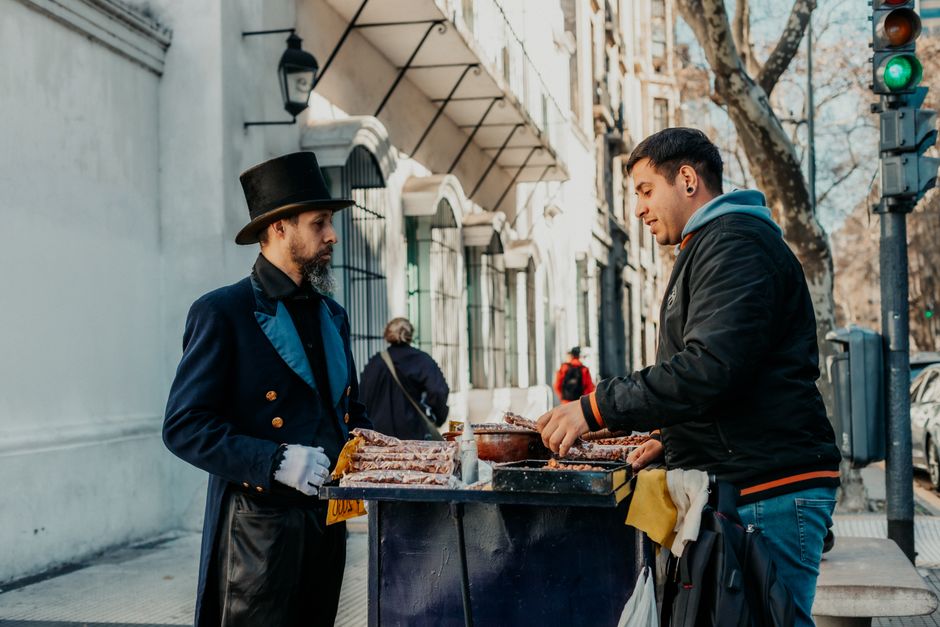
Honest advice: markets aren’t always the right call.
Skip the market if you have active digestive issues or a compromised immune system. The oil used for frying is often reused. The spice level varies wildly. Even a careful eater can get a mild reaction from the sheer volume of unfamiliar bacteria. That’s not a reflection on the food’s quality — it’s biology.
Skip the market if you’re on a tight schedule with no flexibility. A 30-minute taco stop can turn into 90 minutes when you discover a stall selling fresh churros rellenos or a woman making tortillas de maíz azul by hand. Markets demand slow browsing.
Skip the market if you need a guaranteed quiet space. They’re loud. They’re crowded. The music from competing stalls overlaps. If you’re sensory-sensitive, visit in the morning (9-11 AM) when crowds are thinner and the heat is lower.
Alternative: If you can’t do markets, book a food tour. Companies like Eat Mexico and Club Tengo Hambre run small-group walks through markets with a guide who handles ordering, translation, and safety. A 3-hour tour costs around $60-80 USD. It’s more expensive but zero-stress.
Your First 3 Hours at a Market: A Timed Plan
This works for any large market (Mercado de la Merced, Mercado de San Juan, or Mercado Jamaica).
Hour 1: Walk and watch. Do not buy anything. Do a full loop of the market. Note which stalls have lines. Note which stalls have locals eating at the counter. Note which stalls look clean. You’re gathering data.
Hour 2: Eat small. Start with one item from your most promising stall. A single taco. A tlacoyo. Stand and eat it there. If it’s good, order another. If it’s not, you’ve only spent 20 pesos. Move to the next candidate. Eat three to four small items from different stalls.
Hour 3: Go back for the winner. You’ll know which stall was best. Go back and order a full meal. This is when you try the aguas frescas (horchata, jamaica, tamarindo) from that stall. You’ve built trust. Now you enjoy.
Total cost for 3 hours: 120-200 pesos ($6-10 USD). That’s a full afternoon of eating for the price of a single sit-down restaurant entree.
The 2026 reality is that Mexico City’s street food markets remain one of the best food values on the planet. The key is knowing how to navigate them. Now you do.