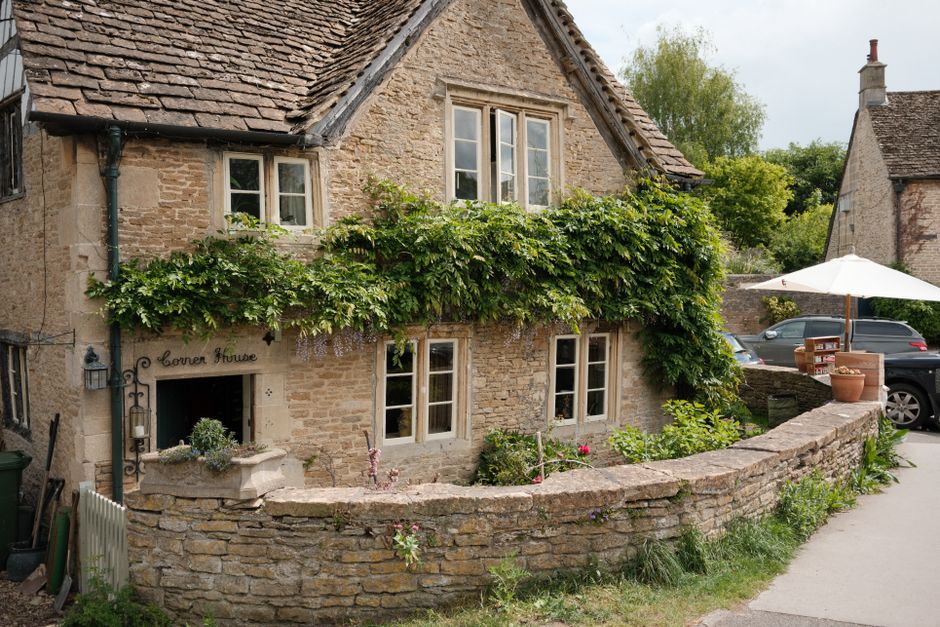
The Cotswolds National Landscape covers roughly 787 square miles, which is large enough to turn a supposedly relaxing weekend into three hours of driving between famous villages. That is the first trap.
You arrive on Friday evening with wet coats, a low phone battery and a booking in a village that looked close to everything on the map. By Saturday morning, you discover that the prettiest lanes are crowded, the footpath is underwater and the pub you wanted has no table until 9.30pm.
A good winter weekend in the Cotswolds needs less ambition and better spacing. Pick one base, plan one serious walk, keep two villages within easy reach and leave enough daylight for the parts that cannot be rushed.
This guide uses 2026 planning figures where money matters. Prices change by date, so treat them as working budgets rather than live quotes.
Which Cotswold base works best for a winter weekend?
Choose one cluster instead of chasing the postcard list
For a first winter visit, stay around Stow-on-the-Wold, Bourton-on-the-Water or Chipping Campden. These towns sit within useful reach of several villages, have year-round places to eat and offer more practical accommodation than smaller hamlets. You will still see stone cottages, church towers and muddy footpaths, but you will not spend every evening driving along unlit country roads.
Stow-on-the-Wold is the most balanced base. It has a compact centre, several pubs, shops for supplies and routes leading into the surrounding countryside. Bourton-on-the-Water is more photogenic beside the River Windrush, but weekend parking and dinner reservations can become difficult. Chipping Campden suits walkers who want direct access to longer sections of the Cotswold Way.
Build the weekend around short winter daylight
In December and January, useful daylight can disappear before 4.30pm. Plan outdoor activity from 9.30am to 2.30pm, then use the late afternoon for a pub, bookshop, museum or slow meal. This sounds obvious until a two-hour walk becomes a four-hour walk because of mud, wrong turns and photographs.
Friday should be simple: arrive, eat near your accommodation and check the next day’s weather. Saturday can hold the main walk and one village stop. Sunday works better as a short stroll followed by a late breakfast and a single scenic drive.
The best route is not the one with the most villages
A sensible loop might include Stow-on-the-Wold, Lower Slaughter, Bourton-on-the-Water and Broadway, but do not force all four into one afternoon. Lower Slaughter and Bourton are close enough to combine on foot in good conditions. Broadway belongs to a different cluster and works better with Broadway Tower or a walk toward Snowshill.
Verdict: Stow-on-the-Wold is the strongest all-round base for a winter weekend because it combines food, parking, walking access and road connections without requiring a long daily drive.
How should you plan a winter Cotswold walk?
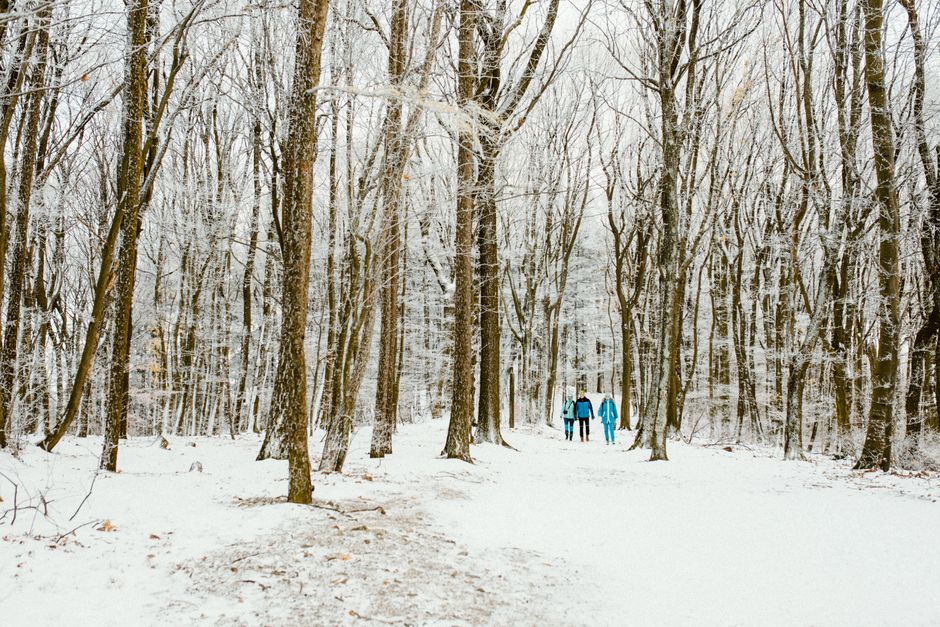
Use a route that still works when the ground is soaked
Winter walking in the Cotswolds is less about dramatic altitude and more about surfaces. Limestone paths can become slippery, clay fields can hold water and narrow lanes may have no pavement. A route that feels effortless in July can feel slow and exposed in January.
For an easy first walk, try the circular route from Bourton-on-the-Water to Lower Slaughter and back. The distance is roughly 4 miles depending on the chosen paths, with relatively gentle terrain and plenty of places to stop. Start early, wear waterproof boots and keep a downloaded map on your phone. If rain has been falling for several days, shorten the route and stay closer to the village roads.
Pack for the surface, not the photograph
- Wear waterproof walking boots with a firm sole. Clean white trainers are a poor choice once the path leaves the pavement.
- Carry a lightweight waterproof shell, warm mid-layer, hat and gloves. A bright morning does not guarantee a dry afternoon.
- Bring a paper map or offline mapping backup, a power bank and a small torch. Rural lanes become dark quickly.
- Pack water and a snack even when the route passes pubs. Opening hours can change outside peak seasons.
- Keep one dry pair of socks in a sealed bag. This costs almost nothing and can rescue the last hour of the walk.
Leave a weather margin
Do not schedule a 10-mile walk immediately before a fixed lunch booking. Give yourself at least 60 minutes of spare time for muddy fields, livestock gates and navigation errors. On a short winter weekend, the safer choice is a 4-to-7-mile route that you finish comfortably rather than a longer route that leaves you cold, late and irritated.
The most reliable walking rhythm is breakfast at 8.30am, start by 9.30am, reach the halfway point before noon and finish near a warm indoor stop by 2pm. That gives you room to change plans without losing the day.
Verdict: Choose a shorter circular route near a village, not an ambitious linear walk across the Cotswold Way. Winter rewards flexibility more than mileage.
What mistakes ruin a winter weekend in the Cotswolds?
My strongest recommendation is to reduce the itinerary before you reduce the budget. Most disappointing Cotswold weekends fail because the schedule is too tight, not because the destination lacks things to do.
Five errors to remove before booking
- Trying to see every famous village: Bibury, Castle Combe, Bourton-on-the-Water, Broadway and Chipping Campden are not one convenient walking circuit. Pick a northern, central or southern cluster.
- Booking dinner after the walk without checking hours: Some rural kitchens stop serving early in winter. Confirm the final food order time before setting out.
- Assuming public transport will solve every connection: Buses exist, but rural services can be infrequent and less useful on Sundays. A car gives flexibility, while a car-free trip works best from a town with rail or bus links.
- Ignoring parking rules: Do not block passing places, village gates or grass verges. Use marked car parks, carry coins or confirm card payment, and allow time for a full car park at popular viewpoints.
- Taking a long walk in casual shoes: Mud is not a minor inconvenience. It changes pace, route choice and the time needed to get warm again.
When should you skip the famous viewpoint?
Skip Broadway Tower if cloud, rain and strong wind have reduced visibility. The tower is a worthwhile stop on a clear day, but the winter drive and walk are poor value when the view has vanished. Use the time for Chipping Campden’s lanes, a longer lunch or a shorter route beside the River Windrush.
Also skip a remote country pub if nobody wants to drive after dinner. A cheaper central meal is the better decision when it protects the evening and removes the need for a taxi that may cost £20-£35 each way.
Verdict: The expensive mistake is not choosing the wrong pub. It is paying for several attractions, then losing daylight and energy before reaching them.
How much should a winter Cotswold weekend cost?
What is a realistic two-night budget?
For two people sharing a room, a sensible winter weekend budget sits around £500-£850 before major shopping or luxury dining. A lower-cost version uses a guesthouse at £120-£170 per night, two pub meals at £25-£35 per person and one paid attraction. A comfortable version adds a central inn, breakfast and a special dinner.
| Expense | Careful budget | Comfortable budget |
|---|---|---|
| Two nights | £240-£340 | £440-£700 |
| Food for two | £180-£260 | £300-£500 |
| Fuel and parking | £60-£100 | £80-£140 |
| Attractions and extras | £30-£70 | £80-£180 |
| Total | £510-£770 | £900-£1,520 |
Should you put the trip on credit?
A weekend away is not a good reason to carry expensive debt. Credit card purchase APRs commonly range from about 19.9% to 39.9%, while cash advances may add a fee of around 3% and start charging interest immediately. A £700 balance left for a year can cost roughly £140-£280 in interest, depending on the rate and repayment pattern.
Paying by card for convenience is different from borrowing for the whole trip. Set the spending limit before booking, keep a separate allowance for fuel and parking, and check cancellation terms. A room with a £50 cancellation fee may be cheaper than a non-refundable room if the forecast turns dangerous.
What is the best final decision?
For a first visit, book two nights in or near Stow-on-the-Wold, plan the Bourton-to-Lower-Slaughter walk, reserve one good pub dinner and leave the second evening flexible. Add one wider drive only if the weather stays clear. This gives you villages, countryside and a proper meal without turning the weekend into a timed tour.
Bottom Line: Spend the money on location and food, not on cramming in extra attractions. The best winter weekend is the one that still feels calm when the rain arrives.
This is not financial advice. Travel budgets, credit terms and venue prices vary, so check current figures before booking.
That Friday-night scenario can end differently. You arrive with dry boots, a confirmed table and one clear route for the morning. Saturday brings a muddy walk, a hot lunch and enough daylight to enjoy the villages instead of racing through them. The Cotswolds remain large, but your weekend finally feels manageable.