Japan Food and Etiquette Mistakes First-Timers Always Make
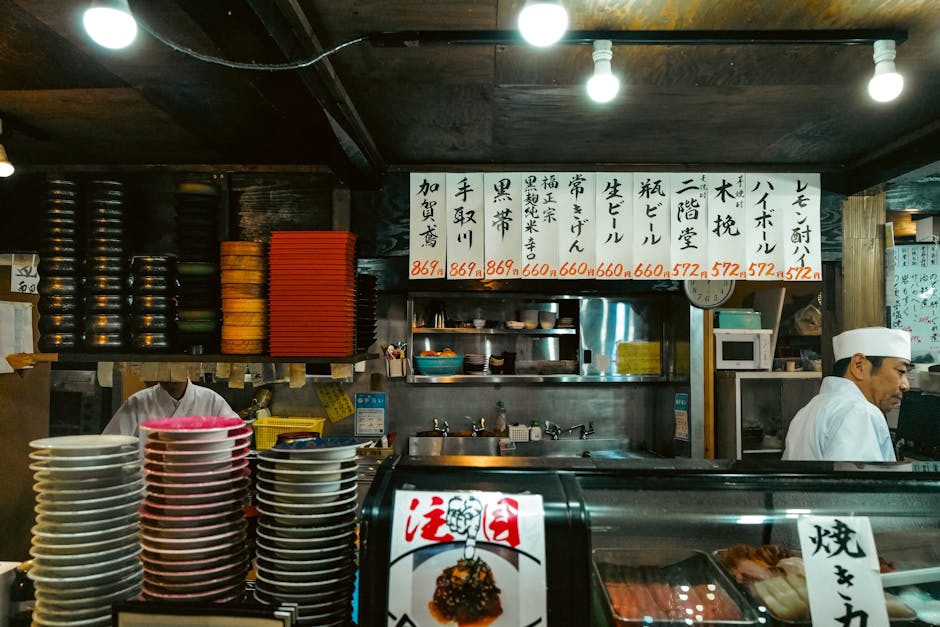
You’re standing outside a ramen shop in Shinjuku. There’s a plastic ticket vending machine by the door with 30 buttons, all in Japanese. The people behind you are waiting. You stab a random button, hand the ticket to the cook, and hope for the best. That’s most people’s first five minutes of eating in Japan.
I’ve been four times — Osaka, Tokyo, Kyoto, Fukuoka — and the food experience genuinely gets better each trip once you understand how things actually work. On my first visit, I skipped tonkatsu for a week because I assumed it was “just fried pork.” That was a massive mistake I still think about.
Here’s what I know now that I wish someone had told me before I landed.
Why Ordering in Japan Feels So Hard (And Exactly How to Fix It)
The core problem isn’t the language barrier — it’s the format. Japanese restaurants run on systems that most foreigners have never encountered before:
- Ticket vending machines at the entrance — standard at ramen shops, curry houses, katsu joints
- Seat-yourself vs. wait-to-be-seated, with no obvious signal telling you which applies
- Table buzzers for calling staff, not waving your hand in the air
- Paying at the register when you leave, never at the table
At Ichiran in Tokyo — one of the most foreigner-accessible ramen chains in the country — you fill out a paper form choosing noodle firmness, broth richness, spice level, and extras, then slide it through a bamboo curtain to a cook you never see. It sounds like a lot. Once you’ve done it once, it takes 90 seconds and you feel like a local.
How to Use a Ticket Machine Without Freezing Up
Look for the button with the most fingerprint wear on it. That’s almost always the house specialty. Insert ¥1,000 notes first — most machines won’t accept coins for the full amount. Get your ticket, find a seat, hand it to staff when they approach. Done. At Fuunji near Shinjuku station (a top tsukemen destination with a daily queue), the machine now has small English labels on most buttons. If yours doesn’t have English, the worn button strategy works every time.
Google Translate Camera Mode Is Your Actual Menu
Download the Japanese language pack offline before your flight. Point your camera at any menu and it translates live. It’s imperfect — “pig thick soup” sometimes means tonkotsu — but it tells you ordering fish or beef. I use this constantly at izakayas where the menu is a hand-written chalkboard with zero photos. The alternative is pointing at random dishes and hoping, which sometimes produces great surprises and sometimes produces raw liver.
The Reservation Reality No One Warns You About
Top-tier spots like Narisawa in Tokyo (two Michelin stars, tasting menus at ¥30,000–¥40,000 per person) require reservations months in advance. But the tier directly below that — excellent neighborhood kaiseki counters, serious yakitori restaurants, well-regarded sushi bars — often takes same-day bookings through Tableall or the Omakase app. Don’t assume you can walk into anything good at 7pm on a Friday. You can’t. Book in the morning or the night before, and you’ll access a completely different level of restaurants than tourists who just wander.
10 Dishes Worth Planning Your Itinerary Around
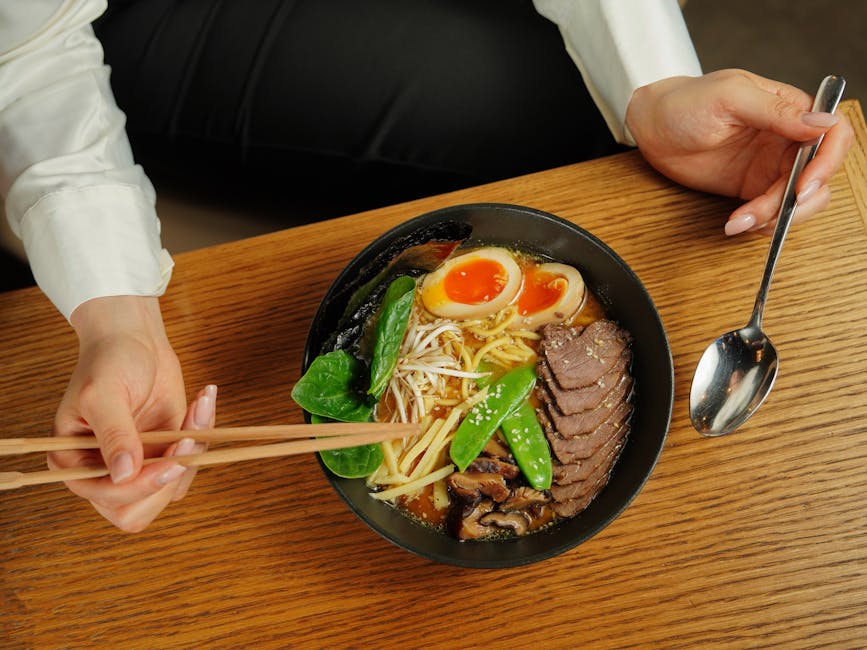
Not the “must-try” lists that count convenience store onigiri as a highlight. These are the dishes people rebook flights for.
- Tsukemen at Fuunji (Shinjuku) — dipping ramen with a broth so concentrated it coats noodles like gravy. ¥1,000. Arrive when it opens at 11am or queue 45+ minutes.
- Katsu Sando at Maisen (Omotesando) — pork cutlet in milk bread with tonkatsu sauce. ¥1,500 for the sandwich. It’s not Instagram bait. It’s just genuinely perfect food.
- Uni don at Tsukiji Outer Market — sea urchin over rice, ¥3,000–¥5,000 depending on grade. Hokkaido murasaki uni is sweeter; bafun uni is richer and more intense. Ask which they’re serving that day.
- Wagyu yakiniku at Ushigoro (Tokyo) — you grill A5 Wagyu at the table yourself. Per-person cost runs ¥10,000–¥15,000 but it permanently recalibrates what you think beef can taste like.
- Okonomiyaki at Mizuno (Osaka) — Osaka-style savory pancake made with yam batter, cabbage, and pork belly. Queue time at Mizuno averages 30–40 minutes at peak hours. It’s worth it.
- Fugu (puffer fish) at a licensed Osaka restaurant — paper-thin sashimi slices. Legally requires chef certification in Japan. ¥8,000–¥15,000 per person. The flavor is subtle; you’re there for the story and the craft.
- Yakitori at Torikizoku (nationwide) — ¥110 per skewer for properly grilled chicken parts: hearts, thighs, skin, cartilage. This chain is everywhere and chronically underrated because tourists chase high-end spots and skip the places locals eat three times a week.
- Tamagoyaki at Tsukiji Outer Market — sweet rolled omelette on a stick, ¥200, eaten hot at the stall. Two bites. Don’t overthink it.
- Conveyor belt sushi at Kura Sushi — ¥115 per plate (two pieces). Better than most mid-range sushi restaurants in the West, ordered from a touchscreen, and every 15 plates enters you in a capsule toy lottery. This is genuinely fun.
- Kaiseki at a ryokan — multi-course Japanese cuisine served at a traditional inn. If you stay at a ryokan even once, the included kaiseki dinner (usually 10–12 courses) is where Japanese cooking philosophy finally clicks into place.
What Food in Japan Actually Costs: A Category Breakdown
Japan has a reputation for being expensive. The reality is more complicated — some categories are shockingly cheap, others are genuine luxury. Here’s the honest breakdown.
| Category | What You Get | Typical Cost | Verdict |
|---|---|---|---|
| Convenience store meal (7-Eleven, Lawson, FamilyMart) | Onigiri + hot drink or noodles | ¥300–¥600 | Best value per calorie in the country — eat here without shame |
| Ramen shop | Full bowl + egg + chashu pork | ¥900–¥1,500 | Cheap, excellent, easy to navigate even solo |
| Conveyor belt sushi | Per plate, 2 pieces | ¥110–¥200 | Unbeatable quality-to-price ratio |
| Set lunch (teishoku) | Main dish + rice + miso soup + pickles | ¥700–¥1,200 | Best deal of the day — same kitchen as dinner at half the price |
| Izakaya dinner with drinks | Multiple small dishes + 2–3 drinks per person | ¥2,500–¥4,000/person | Good value if you avoid tourist izakayas near major stations |
| Kaiseki (multi-course) | 8–12 seasonal courses | ¥10,000–¥30,000+ | Worth doing once; Kichisen or Mizai if the budget is there |
| A5 Wagyu steak | 150–200g cut at a dedicated steakhouse | ¥8,000–¥20,000 | Splurge category — do it at least once |
The teishoku lunch is one of Japan’s most overlooked strategies. A restaurant serving ¥12,000 kaiseki at dinner will often run a ¥1,200 set lunch using the same kitchen and similar ingredient quality. Always check the lunch menu before writing a restaurant off as out of reach.
If you’re planning several days of outdoor eating — temple districts, morning markets, long walks between neighborhoods — you’ll spend a lot of time in direct sun. Japan’s UV index hits 10+ in summer across most of the country. Keeping a solid travel sunscreen in your day bag alongside your IC card and cash is a habit worth building before you go.
Etiquette Questions Every First-Timer Actually Has
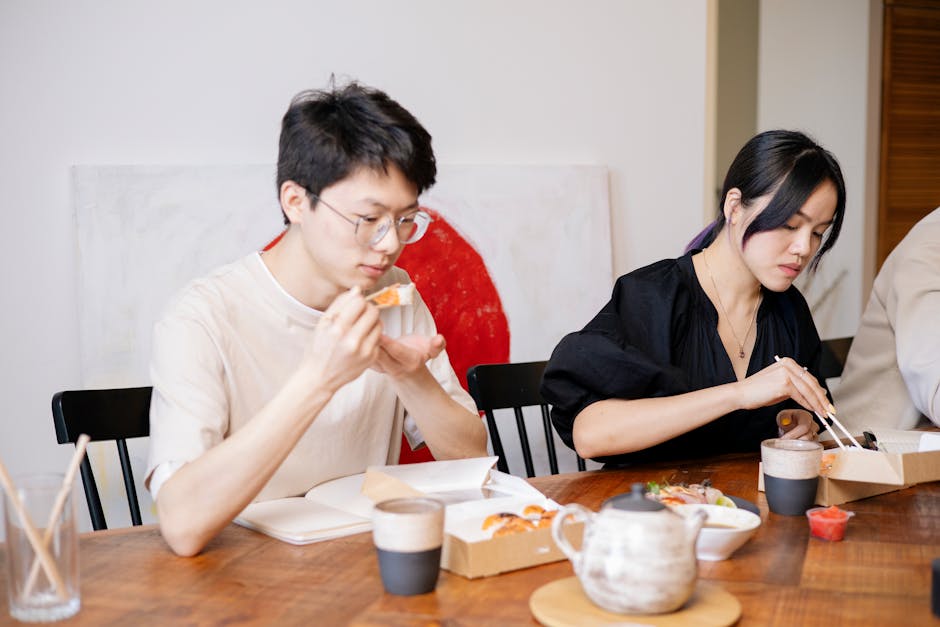
Is slurping noodles really acceptable?
Yes. Completely. At a ramen or soba counter, silence is actually the strange choice. The noise signals enjoyment. No one will look at you sideways. Slurp.
Should I tip?
Never. Leaving cash on the table after a meal can confuse or even offend — staff may chase you down the street thinking you forgot your change. The menu price is the full price. Service is embedded in the culture, not added to the bill.
Can I eat while walking around?
Mostly no, with specific exceptions. Eating while walking through residential streets or on trains is considered rude. The clear exceptions: matsuri (festival) food stalls, Nakamise shopping street in Asakusa, and any vendor that has a standing counter built for on-the-spot eating. Tamagoyaki sticks at Tsukiji are specifically designed to eat at the stall — that’s fine. Ramen is not a walking food. Neither is a convenience store bento eaten on the train platform.
What chopstick rules actually matter?
Two things. Don’t stick chopsticks upright in a bowl of rice — it mirrors a funeral ritual. Don’t pass food chopstick-to-chopstick — also a funeral custom. Everything else: holding them awkwardly, dropping them, using them inefficiently — nobody cares. Locals have seen tourists struggling with chopsticks for decades. Asking for a fork won’t offend anyone.
What do I say before and after eating?
“Itadakimasu” before you eat. “Gochisousama deshita” when you finish. You’re not required to say either — most tourists don’t — but if you do, it’s noticed and genuinely appreciated. It signals cultural awareness rather than performance.
How quiet should I be at restaurants?
Izakayas are designed to be loud — drinking, eating, full-volume conversation is the entire point. High-end sushi counters and kaiseki restaurants are focused, near-silent environments. Match your energy to the room. Talking at full volume in a 10-seat omakase counter is the dining equivalent of taking a phone call in a library. Read the room. It takes about 30 seconds to calibrate.
The One Practical Mistake That Actually Causes Problems
Relying only on a credit card. Many of the best, most authentic restaurants in Japan — small ramen shops, neighborhood izakayas, market stalls, family-run soba counters — are cash only. Get ¥20,000–¥30,000 from a 7-Eleven ATM the day you land (they reliably accept foreign Visa and Mastercard). This single habit eliminates roughly 90% of the friction first-timers run into when trying to eat well.
Japan Dining vs. What You’re Used To: Quick Reference
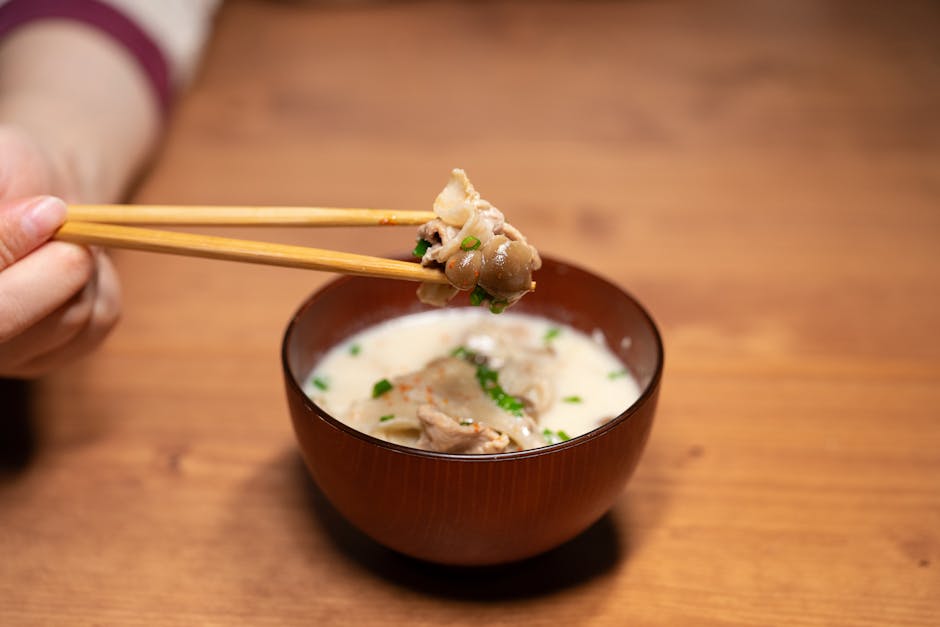
Before your first meal, calibrate your expectations here. None of these differences are difficult — they’re just different from what most Western travelers default to.
- Water and green tea: Served free, refilled automatically. You don’t ask for it and you don’t pay for it.
- Splitting the bill: Not common at traditional restaurants. Pay as one table and settle between yourselves afterward.
- Portion sizes: Smaller and more precise than Western averages. A kaiseki course that looks tiny often leaves you completely full.
- Walk-in dinners: Don’t show up at 7pm on a Friday expecting a good table. Book through Tableall or call ahead the same morning.
- Food photography: Fine at casual spots. At omakase counters, ask first. Some chefs specifically disallow cameras during service.
- Dietary restrictions: Vegetarian and vegan options are genuinely limited outside central Tokyo and Kyoto. Dashi fish stock is a base ingredient in enormous amounts of Japanese cooking — including things that look vegetarian. Learn the phrase: “watashi wa bejitarian desu” (I am vegetarian) and be prepared to verify each dish.
- Pace of service: Ramen shops expect turnover in 20 minutes. Linger at izakayas. Don’t linger at ramen counters during peak hours.
| Habit | What You’re Used To | What Japan Expects |
|---|---|---|
| Tipping | 15–20% expected | Never — don’t do it |
| Paying the bill | Server brings it to your table | You take the check to the register |
| Getting a waiter’s attention | Eye contact or a wave | Press the table buzzer or say “sumimasen” |
| Eating while walking | Normal in most cities | Rude outside festival contexts — eat at the stall |
| Payment method | Card preferred nearly everywhere | Cash still required at many restaurants |
| Volume at dinner | Variable, usually casual | Match the room — izakayas loud, omakase quiet |
| Noodle noise | Considered impolite | Expected — slurp your ramen |
Japan’s food culture rewards the prepared traveler more than almost anywhere else. Once you know how the systems work — the vending machines, the cash requirements, the pace, the noise calibration — the whole country opens up. The gap between a confused first meal and a confident one is usually just a few hours of knowing what to expect. The dishes do the rest of the convincing on their own. And if you’re thinking through what else to pack for a longer trip through Japan, sorting out your travel skincare routine early is one fewer thing to think about once you’re there.