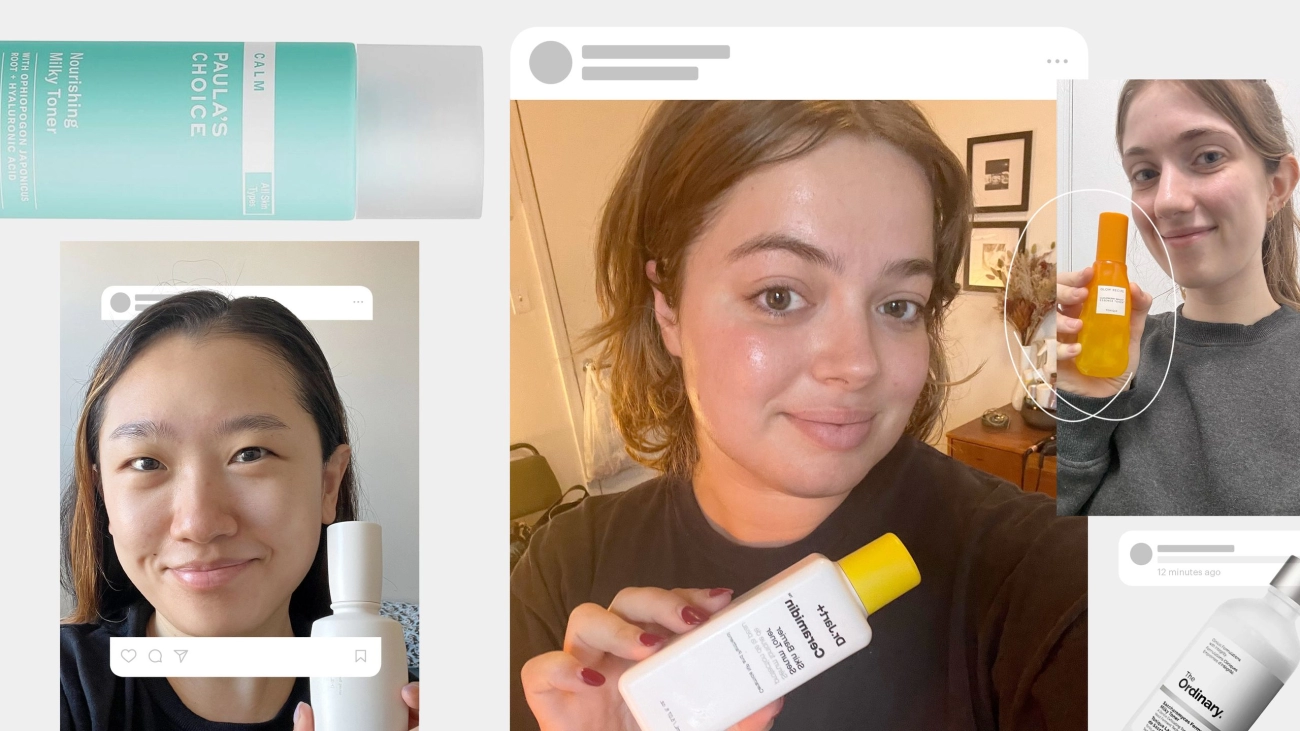
If you’re tired of waking up to dry, tight, and flaky skin despite all the creams and serums, layering toners might be the game-changer you didn’t know you needed. This simple yet powerful technique, inspired by the Korean 7-skin method, transforms dry skin overnight by building up intense hydration in light, absorbable layers. Imagine waking up to plumper, softer, and glowing skin without the grease or heaviness. Curious how layering toners transforms dry skin overnight? Stick around—we’ll break down the science, show you the best products, and guide you step-by-step to achieve that coveted dewy glow by morning.
Understanding Dry vs. Dehydrated Skin
Let\’s start by clearing up a common confusion: dry skin and dehydrated skin are not the same, even though they often overlap. Dry skin is a skin type that lacks oil, meaning your skin’s natural sebum production is low. This can leave your face feeling tight, flaky, and sometimes rough. On the other hand, dehydrated skin means your skin is lacking water, not oil. This condition can affect anyone—even those with oily or combination skin.
So, how do you know if your skin is dehydrated? Look for signs like dullness, tightness, increased sensitivity, and fine lines that seem to pop up overnight. When your skin is dehydrated, its barrier function takes a hit. This barrier is what keeps moisture in and harmful irritants out. Once compromised, you might notice more redness, itchiness, and even premature aging.
Traditional heavy creams might seem like the obvious fix for dry skin, but here’s the catch: they often lock in moisture on the surface but don’t always address deep hydration at a cellular level. That’s why simply piling on thick moisturizers sometimes falls short, leaving your skin thirsty beneath the surface. This is where the science of hydrating toner layering comes in, working to flood your skin with water and rebuild that essential moisture barrier effectively.
The Science Behind Toner Layering
Layering toners works because applying several thin, watery layers helps your skin absorb moisture better than one thick swipe. When you pat on toner in light doses, each layer sinks in quickly, allowing the next to boost hydration deeper into the skin.
Applying toner on damp skin amplifies this effect. Dampness signals the skin to lock in water, improving absorption and setting the stage for humectants—ingredients like hyaluronic acid and glycerin—to pull moisture into your skin cells effectively.
Think of humectants as magnets for water. When you layer toners rich in these, you create a “hydration reservoir” that keeps skin plump and nourished overnight without feeling greasy or heavy.
This method, popularized by K-beauty routines such as the famous 7 skin method, has been shown to improve skin radiance, elasticity, and overall tone. Many users report waking up with a smoother, dewier complexion thanks to consistent hydrating toner layering, which helps repair the barrier and reduce dryness over time.
| Benefit | Why It Works |
|---|---|
| Better Penetration | Thin layers absorb faster than thick layers |
| Enhanced Hydration | Humectants pull in and hold moisture |
| Barrier Support | Consistent hydration strengthens skin defense |
| Visible Glow | Boosted elasticity and tone from moisture boost |
To maximize these effects, choose lightweight, alcohol-free toners designed for dry or dehydrated skin. Applying them on freshly cleansed, damp skin lets your face soak up the benefits as part of your dewy glow routine.
For more tips on choosing products that support skin barrier repair, check our guide on a skin moisturizing duo designed to boost hydration without irritation.
Benefits of Layering Toners for Dry Skin
Layering toners offers intense, long-lasting hydration without leaving your skin greasy or heavy. Unlike thick creams that can sometimes clog pores, multiple thin layers of hydrating toner build a moisture reservoir deep within your skin, perfect for plumping dry skin fast. This method helps strengthen the skin barrier, reducing irritation and sensitivity commonly linked to dryness.
What You Gain from Toner Layering:
| Benefit | Why It Matters |
|---|---|
| Deep, lasting hydration | Keeps skin moisturized overnight, preventing tightness and flakiness |
| Improved skin barrier | Helps skin resist environmental stressors and reduces redness |
| Non-greasy feel | Lightweight layering avoids heaviness, great for dry skin that dislikes oiliness |
| Plump, glowing skin | Waking up with visibly dewy and elastic skin, thanks to the hydration boost |
| Enhanced product absorption | Prepares skin to soak up serums and moisturizers better |
| Smoother texture & subtle brightening | Layers help refine skin’s surface and even out tone over time |
This method aligns well with the popular K-beauty skin flooding method, known for creating that iconic radiant glow without irritation. For more on boosting hydration and glow, pairing your layered toners with other glow-focused skincare can amplify results even further, as shown in this guide to hydrating and dewy skin routines.
In essence, layering toners is an effective way to transform dry, dull skin overnight into a fresh, plump, and glowing canvas without the heaviness of rich creams. It’s a smart, modern hydration shortcut that works especially well for dry skin types needing a boost without clogging or irritation.
Choosing the Right Toner for Layering
When layering toners for dry skin, picking the right formula is key to building that hydration without irritation. Opt for alcohol-free, hydrating toners made with ingredients like hyaluronic acid, glycerin, ceramides, panthenol, or gentle botanical extracts. These components help draw moisture in and strengthen the skin’s barrier, essential for plump dry skin fast and overnight skin hydration.
Texture matters too—go for lightweight, watery essences or milky toners. These types absorb quickly and layer easily without feeling sticky or heavy. Avoid thick, creamy toners that can weigh your skin down or block absorption.
Stay clear of toners containing alcohol, strong exfoliants like AHAs/BHAs, and synthetic fragrances. These can strip moisture, cause irritation, or worsen dryness, especially if you have sensitive or mature dry skin. Instead, look for those labeled as barrier repair toners for extra soothing and protection.
For sensitive or mature dry skin:
- Patch-test new products
- Choose formulas rich in calming ingredients like oat extract or centella asiatica
- Skip layered exfoliant toners entirely to avoid over-sensitizing your skin
Layering the right hydrating toners can truly change your skin’s texture and glow. For more insight on building a simple yet effective dry skin routine, check out this helpful collection of skincare tips for hydration.
Step-by-Step Guide to the Toner Layering Method
To get the full benefits of hydrating toner layering and achieve that overnight skin hydration, start by prepping your skin properly. First, cleanse gently—avoid stripping ingredients—and pat your skin damp, not dripping wet. This slight moisture boost helps with absorption when you apply your toners.
Application Techniques
Choose your method based on what feels best for your skin:
- Hands: The warmth helps spread the toner evenly and gently patting it in improves absorption.
- Cotton pads: Offer controlled application but can waste product and sometimes irritate sensitive skin.
- Spray bottles: Great for even misting, especially if you want a light touch.
Gently pat the toner in rather than rubbing, to avoid disturbing your skin’s barrier.
How Many Layers?
Start with 3 to 5 layers of your hydrating toner, gradually building up to 7 layers if your skin tolerates it well. This layering builds a rich hydration reservoir without feeling greasy or heavy.
Timing Between Layers
Allow 30–60 seconds between each application so your skin can fully absorb the moisture. Patting instead of rubbing helps speed this process without irritation.
Evening Routine Integration
After layering toners, follow up with a nourishing serum, then a moisturizer or occlusive to lock all that hydration in overnight. This seals the benefits and supports skin barrier repair for dry skin.
Morning Adaptations
You can adapt this method for mornings by using fewer layers (2–3) to keep your skin dewy and plump without feeling sticky. Layering toners under sunscreen creates a perfect base for radiant, moisturized skin throughout the day.
For seasonal adjustments and full routine ideas tailored for dry skin, check out this detailed winter skincare routine that complements toner layering perfectly.
Common Mistakes and How to Avoid Them
When layering toners for dry skin overnight, it’s easy to slip into some common pitfalls that can do more harm than good. Here’s what to watch out for:
-
Over-layering too quickly or with irritating products: Jumping straight to 7 layers or using toners with strong actives like alcohol or exfoliating acids (AHAs/BHAs) can overwhelm your skin, causing redness or dryness. Start slow and choose gentle, hydrating formulas.
-
Using exfoliating toners or applying on dry skin: Exfoliating toners can thin your barrier if used repeatedly, especially with the multi-layer toner technique. Also, layering on completely dry skin limits absorption. Always apply toner on damp skin to maximize hydration and effectiveness.
-
Skipping absorption time or sealing layers improperly: Rushing through the steps without allowing each layer to absorb (wait 30–60 seconds) leads to product pilling or poor hydration. Plus, not sealing in your layers with a moisturizer or occlusive can cause moisture loss overnight.
-
Troubleshooting irritation or pilling: If your skin feels tight, itchy, or starts peeling, reduce the number of layers and switch to more soothing, barrier-repair toners. Avoid cotton pads if you notice irritation—using hands to pat toner gently can make a difference.
Avoid these mistakes, and your toner layering routine will boost your overnight skin hydration and help plump dry skin fast without irritation. For more tips on proper application techniques, check out this detailed guide on the patting toner technique.
Expected Results and Timeline
Right after applying layered toners, you’ll notice your skin feels softer and calmer. That lightweight, gentle hydration helps soothe any tightness, giving an instant sense of relief especially for dry or sensitive skin.
By the next morning, the overnight skin hydration becomes visible—you’ll wake up to a noticeable dewiness and plumper texture. The skin barrier starts to repair itself, reducing irritation and dryness that often build up during the day.
With consistent use over 1–2 weeks, the benefits multiply: your skin will develop a stronger barrier, maintaining moisture better and looking healthier overall. Expect improved elasticity, smoother texture, and a radiant glow as your skin floods with hydration. Many users also report a fresh, supple feel after adopting the 7 skin method or similar hydrating toner layering routines.
This gradual transformation proves why layering lightweight toners is such an effective technique for plump dry skin fast, creating that coveted dewy glow without greasiness or heaviness. For more on how to fine-tune your hydration routine, check out these transitional skincare favourites.
Integrating Layering Toners into Your Full Skincare Routine
Knowing when and how to use layered toners can make a big difference in your overall hydration and skin health. For dry skin, nighttime use is ideal because it gives your skin time to absorb multiple layers, boosting overnight skin hydration and barrier repair. In the evening, follow your toner layering with hydrating serums and a rich moisturizer or occlusive to lock in all that moisture. This sealing step ensures your skin stays plump and dewy by morning.
During the day, you can adapt the method by using fewer layers—around 2 to 3—to avoid a greasy feel while keeping your skin radiant and fresh. Pairing your hydrating toner layering with lightweight creams or gels helps maintain that moisture balance without heaviness.
Seasonal changes also call for tweaks: in colder months or dry climates, lean into more layers and richer creams, while in warmer seasons, lighter formulations and fewer layers usually work better. If you’re using active ingredients like retinol, layering toners can soothe dryness and strengthen your skin barrier, but be sure to avoid toners with strong exfoliants to prevent irritation.
For more tips on adjusting your skincare with seasonal shifts, check out this comprehensive guide on spring transitional skincare. This ensures your dry skin stays hydrated and balanced all year round while maximizing the benefits of the multi-layer toner technique.
FAQs About Layering Toners for Dry Skin
Is 7 layers necessary?
Not always. The classic \”7 skin method\” is popular, but you can start with 3–5 layers and see how your skin responds. The goal is to build a hydration reservoir without overwhelming your skin. It\’s better to adapt the number of layers based on your skin’s needs and tolerance rather than strictly hitting 7 every time.
Can I layer different toners?
Yes, you can mix hydrating toner layering with different products, but be cautious. Make sure each toner is alcohol-free and gentle, preferably with complementary ingredients like hyaluronic acid, glycerin, or ceramides. Avoid combining toners with strong exfoliants in this routine to prevent irritation.
Is this method good for beginners?
Absolutely. Beginners should start slow — fewer layers and simple, hydrating toners work best. Focus on lightweight, alcohol-free formulas and use a gentle patting technique. Once your skin adjusts, you can increase layers gradually for more intense overnight skin hydration.
What if layering feels too time-consuming?
If multi-layer toner technique isn’t fitting into your routine, consider a well-formulated hydrating essence or serum that delivers similar moisture benefits in fewer steps. Alternatively, practice layering in your evening skincare when you have more time, or opt for a rich moisturizer combined with a barrier repair toner for efficient hydration.
For more tips on smoothing your routine and products that enhance layering benefits, check out our guide on the best primers for layering skincare.