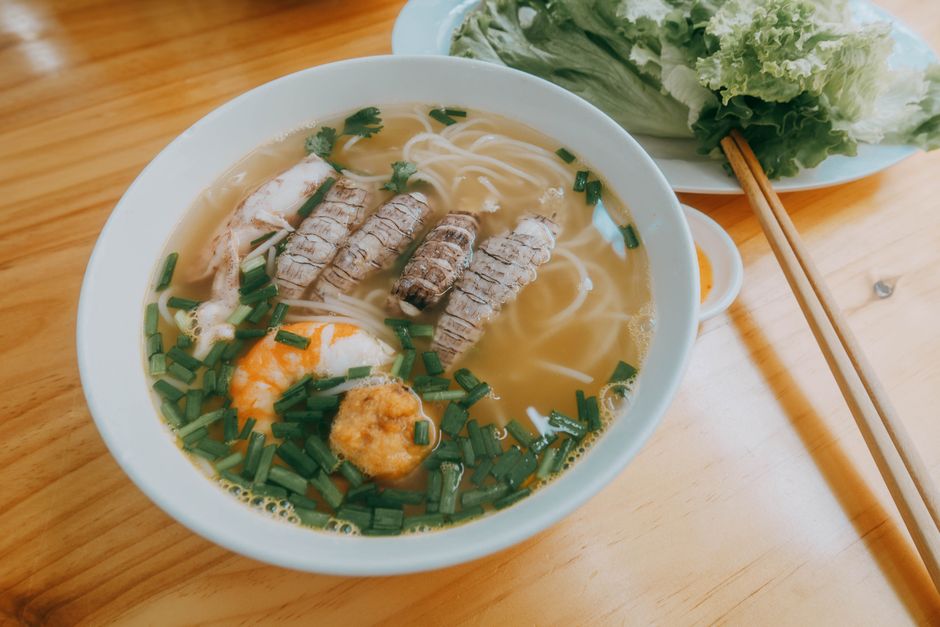
Most visitors land in Hanoi, order a bowl of pho at a sidewalk stall, and call it a culinary win. That is like visiting Italy and only eating spaghetti Bolognese. You miss the entire point. Vietnam has a regional food culture that shifts every 200 kilometers—different broths, different noodles, different herbs. If you stick to pho and banh mi, you leave 80% of the flavor behind.
I spent 23 days eating through four regions: Hanoi, Hue, Hoi An, and Ho Chi Minh City. I tracked costs, safety patterns, and which dishes actually justify the hype. This guide covers the five dishes you need to hunt down, how to eat street food without getting sick, and why your travel insurance matters more than your packing list.
Why Most Travelers Eat Bad Vietnamese Food
The problem is simple: tourist districts serve tourist food. Restaurants on Ta Hien Street in Hanoi or Bui Vien in Saigon cater to Western palates with sweeter broths, less fish sauce, and smaller portions. The real stuff is two blocks away, on a plastic stool that wobbles on uneven pavement.
Three mistakes I see travelers make repeatedly:
- Eating at places with English menus — If the menu is laminated and translated, the food is probably adjusted for foreigners. Look for handwritten signs in Vietnamese only.
- Skipping the herbs — Vietnamese cuisine relies on fresh herbs like rau ram (Vietnamese coriander), tia to (shiso), and kinh gioi (Vietnamese balm). Skip them and you lose half the flavor profile.
- Not asking about the broth — A good broth simmers for 8-12 hours. If a place serves pho in under 3 minutes, the broth came from powder. Walk away.
The safety angle is real. Street food is safe if you follow one rule: eat where locals eat. A stall with 20 customers at 7 AM has high turnover. The food sits out for minutes, not hours. I ate 42 street meals over three weeks and had zero issues. I also carried travel insurance from World Nomads (rated A by AM Best) because food poisoning, motorbike accidents, and dengue fever are the top three claims for Vietnam travelers. One ER visit for a bacterial infection runs $200-$600. A good policy covers that.
5 Dishes That Define Vietnam’s Regional Cooking
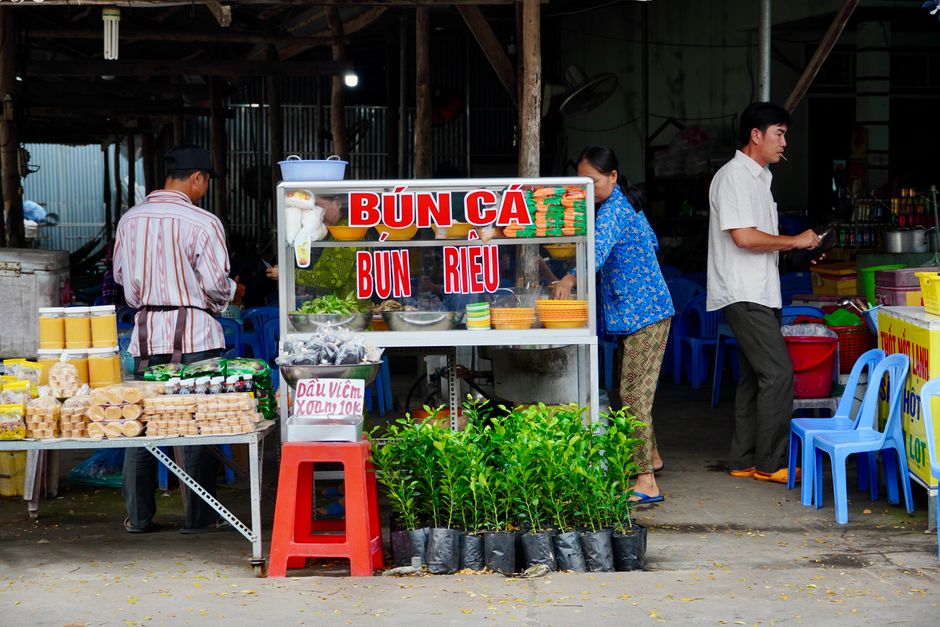
Each dish below comes from a specific city. Do not order bun bo Hue in Hanoi. Do not order cao lau in Saigon. The ingredients change, the water changes, and the taste suffers.
Bun Bo Hue (Hue) — The Spicy Beef Noodle That Outshines Pho
This is the dish that made me question why pho gets all the attention. Bun bo Hue uses a beef bone broth flavored with lemongrass, fermented shrimp paste, and annatto oil. The color is deep red-orange. The heat comes from fresh chili, not chili oil.
Price range: 30,000-50,000 VND ($1.25-$2.10). Look for stalls near the Dong Ba Market in Hue. The best ones have a cauldron visibly simmering on the sidewalk. The noodles are round and thick, not flat like pho noodles. You get slices of beef shank, pork knuckle, and congealed pork blood cubes. If you see a bowl with clear broth, it is not bun bo Hue.
Cao Lau (Hoi An) — The Noodle That Only Works in One City
Cao Lau is the most location-dependent dish in Vietnam. The noodles are made with water from the Ba Le well in Hoi An. No one can replicate it outside the city. The noodles are chewy, slightly firm, with a texture between udon and ramen.
The bowl comes with sliced roast pork, crispy pork rinds, fresh herbs, bean sprouts, and a small amount of broth. It is not a soup. It is a noodle salad with a splash of savory liquid. The best version I ate was at Bá Múi on Phan Chu Trinh Street. Cost: 35,000 VND ($1.50).
Banh Xeo (Central & South) — The Crispy Crepe That Breaks All Rules
Banh xeo translates to “sizzling cake.” The rice flour batter gets poured into a hot oiled pan. It sizzles immediately. The filling varies by region: central Vietnam uses shrimp and bean sprouts, the south adds pork and coconut milk for sweetness.
Eat it like this: tear off a piece of crepe, wrap it in rice paper with lettuce and herbs, dip it in nuoc cham (fish sauce with lime, garlic, and chili). The contrast between crispy crepe, cold herbs, and salty-sour dip is why this dish belongs on every traveler’s list. Price: 25,000-40,000 VND ($1.10-$1.70).
Goi Cuon (South) — The Fresh Spring Roll Done Right
Most tourists eat cha gio (fried spring rolls) and call it a day. Goi cuon is the fresh version: shrimp, pork, vermicelli noodles, lettuce, and herbs wrapped in translucent rice paper. The dipping sauce is hoisin-based with crushed peanuts and chili.
The trick is finding ones made to order. Pre-wrapped rolls sitting under plastic wrap get soggy within 30 minutes. Look for stalls where someone is actively rolling them. The shrimp should be pink and peeled completely. Price: 8,000-15,000 VND ($0.35-$0.65) per roll.
Cha Ca (Hanoi) — The Turmeric Fish That Requires Commitment
Cha Ca is not a street food. It is a sit-down meal that takes 20 minutes to cook. The dish originated at Cha Ca La Vong, a single restaurant in Hanoi that has served only this dish since 1871.
You get a hot pan with turmeric-marinated chunks of snakehead fish. You cook the fish yourself at the table with dill, spring onions, and peanuts. Serve it over rice noodles or with bread. The fish should be golden brown, flaky, and fragrant from the turmeric. Price: 120,000-200,000 VND ($5-$8.50). Worth every dong.
How to Eat Street Food Safely Without Missing the Best Stuff
The number one question I get: “Is street food safe in Vietnam?” The answer is yes, if you follow a system. Here is the checklist I used:
| What to Check | Why It Matters | Red Flag |
|---|---|---|
| Boiling broth visible | Continuous boiling kills bacteria | Lukewarm broth in a covered pot |
| High customer turnover | Food doesn’t sit out long | Empty stall at peak meal time |
| Fresh herbs washed | Herbs carry soil bacteria | Wilted or pre-chopped herbs |
| Ice from sealed bags | Block ice is made from tap water | Large block ice in drink cups |
| Cooked food only | High heat kills pathogens | Raw vegetables (skip the garnish) |
One more thing: carry oral rehydration salts from any pharmacy. They cost 5,000 VND ($0.20) and work better than sports drinks. If you do get sick, most Vietnamese pharmacies sell generic ciprofloxacin without a prescription for about 15,000 VND ($0.65). But do not self-diagnose. If you have a fever or blood in stool, go to a hospital. Family Medical Practice in Hanoi and Ho Chi Minh City has English-speaking doctors. A consultation costs $50-$80. Your travel insurance should cover this.
What Travel Insurance Actually Covers in Vietnam
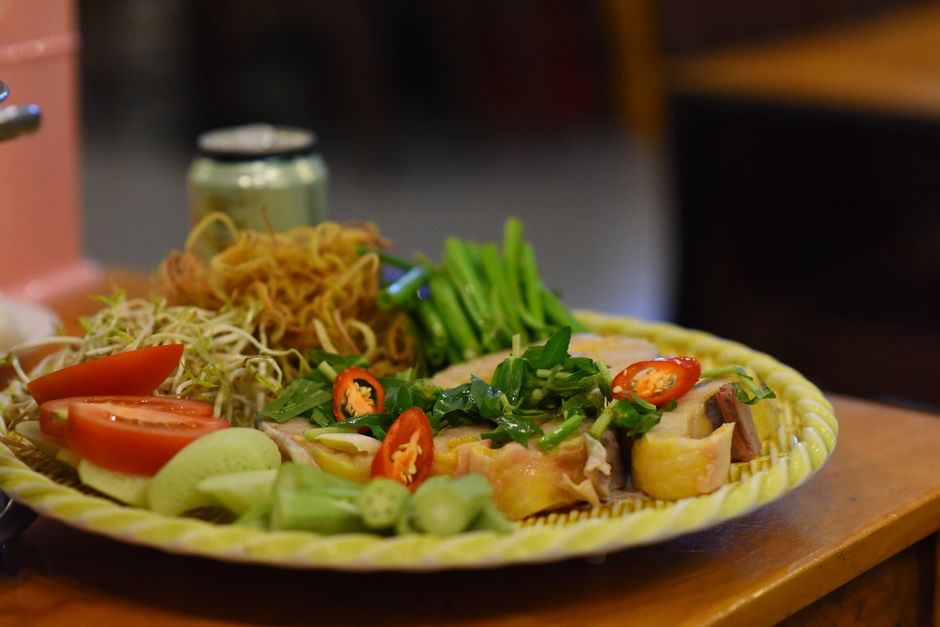
This is where most travelers get it wrong. They buy the cheapest policy from their airline and assume it covers everything. It does not. Vietnam has specific risks that standard policies exclude.
Three coverage gaps you need to check:
- Motorbike accidents — Over 30% of traveler claims in Vietnam involve motorbikes. Many policies exclude coverage if you ride without a valid Vietnamese driver’s license. Vietnam does not recognize international driving permits for motorbikes. World Nomads and SafetyWing both cover motorbike accidents even without a local license, but check the fine print.
- Dengue fever — Hospitalization for dengue costs $500-$2,000. Some budget policies classify it as a “tropical disease exclusion.” Travelex and AXA cover dengue without a rider. J.D. Power ranks AXA above average for claims satisfaction.
- Evacuation — If you need medevac from a remote area like Sapa or Ha Giang, costs run $10,000-$50,000. Only policies with at least $100,000 in emergency evacuation coverage are worth buying. World Nomads Explorer plan has $500,000.
I compared five major travel insurers for a 23-day Vietnam trip. Here is the breakdown:
| Insurer | AM Best Rating | Motorbike Coverage | Dengue Coverage | Evacuation Limit | Price (23 days) |
|---|---|---|---|---|---|
| World Nomads Standard | A | Yes | Yes | $100,000 | $84 |
| SafetyWing | A- | Yes | Yes | $250,000 | $65 |
| Travelex Select | A+ | No (requires rider) | Yes | $500,000 | $112 |
| AXA Assistance | A+ | Yes (with license check) | Yes | $250,000 | $97 |
| Generali Global | A | No | No | $50,000 | $49 |
My pick: SafetyWing for budget travelers who do not plan extreme activities. World Nomads Explorer for anyone riding a motorbike or hiking remote areas. Premiums vary by state and individual factors—get multiple quotes before you leave.
What to Skip and When to Stay Home
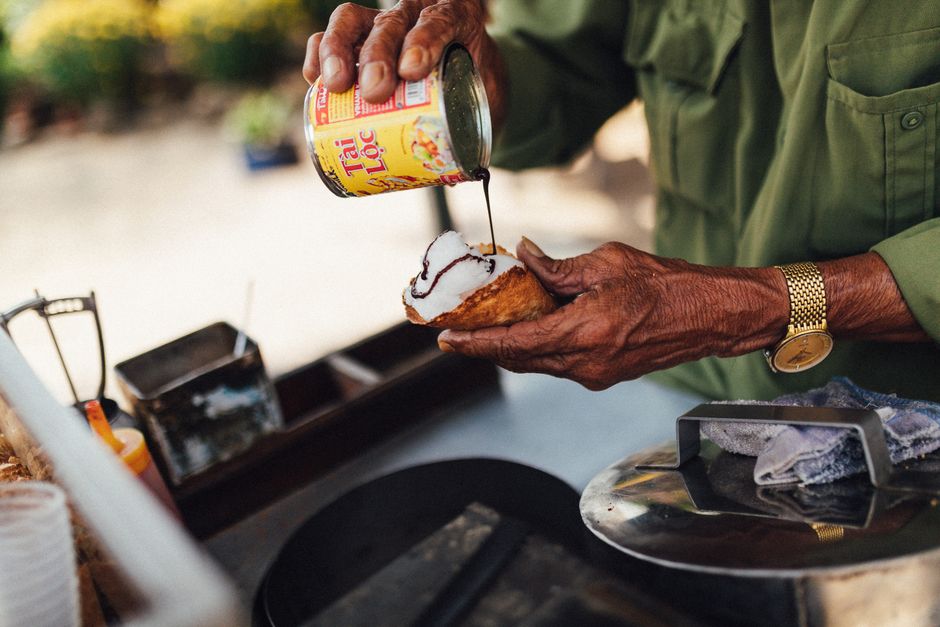
Not every Vietnamese dish is worth hunting down. Three overrated foods I would skip:
- Bun cha (Hanoi) — It is good, but not worth the hype. Grilled pork patties in a sweet-sour broth with noodles. You can eat it anywhere. The Obama-Bourdain fame inflated expectations.
- Pho (anywhere touristy) — I said it. 90% of pho served in tourist areas is mediocre. The broth lacks depth, the beef is overcooked, and the noodles are mushy. Save pho for a local breakfast spot in a residential neighborhood.
- Snake wine — A rice wine with a cobra inside. It tastes like cheap vodka with a metallic aftertaste. Zero culinary value. Buy it as a gag gift, not for drinking.
When should you not go to Vietnam for food? If you have a weak stomach and refuse to eat street food, you will pay 3x more for restaurant versions that taste nothing like the real thing. If you are vegetarian, Vietnam is doable but limited—most vegetable dishes use fish sauce as a base. Buddhist restaurants in Hue and Hoi An are your best bet. And if you cannot handle heat, skip the central region entirely. Hue and Hoi An food runs spicy enough to make a Thai chef sweat.