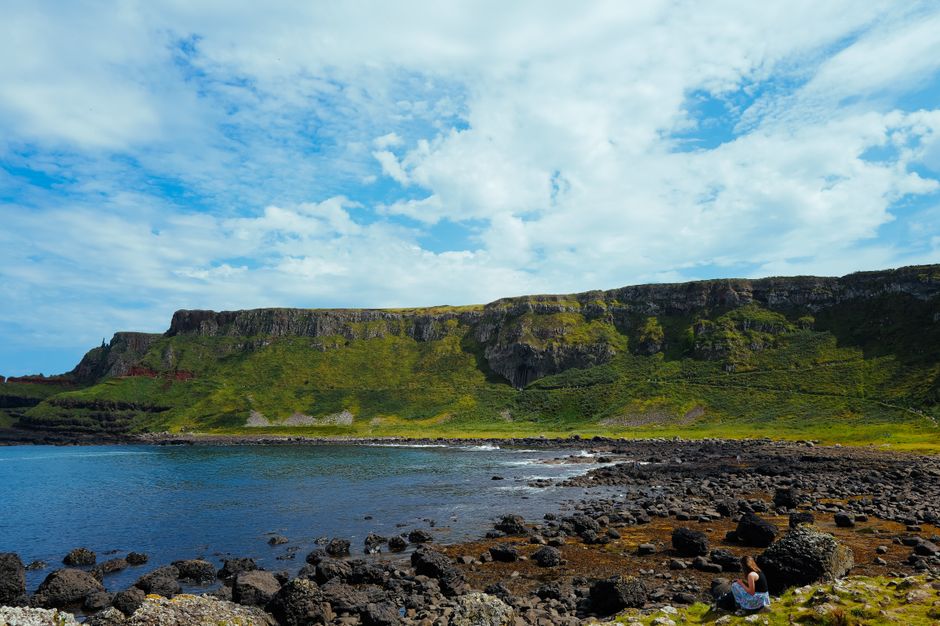
June is one of the best months for exploring the Isle of Skye, but it is not a warm-weather beach holiday. Expect long days, cool wind, sudden rain, busy roads, and some of Scotland’s finest scenery. Plan fewer stops than the map suggests, and Skye becomes far more enjoyable.
Is June a good time to visit the Isle of Skye?
Expect mild temperatures, not summer heat
June works because the weather gives you usable daylight without the worst winter conditions. At the Met Office’s Prabost station on Skye, long-term June averages show a daytime maximum of about 15.7°C and a nighttime minimum near 8.8°C. Average June rainfall is about 82mm, with roughly 151 hours of sunshine. Those numbers describe the month, not your exact forecast. Skye can give you blue sky at breakfast, heavy rain by lunch, and clear views again before dinner.
Pack a waterproof shell, warm mid-layer, trousers that dry quickly, and shoes with real grip. Trainers are fine for Portree and easy viewpoints. They are a poor choice for muddy paths around the Old Man of Storr or the Quiraing. A hat matters more than most visitors expect because wind on exposed ridges can make 15°C feel much colder.
Use the long daylight properly
Near the summer solstice, Skye has roughly 17 to 18 hours between sunrise and sunset, with useful twilight outside those times. That gives you room to visit one major sight early, take a proper lunch, and still hike in the evening. It does not mean you should schedule eight attractions in one day. The roads are slower than they look, car parks fill early, and wet ground can double the time needed for a walk.
The strongest June plan starts early and leaves the late afternoon flexible. If the Old Man of Storr is hidden by cloud at 9 a.m., move on and return later. The light changes quickly. June is the best month for flexible sightseeing, not rigid sightseeing.
How many days do you need on Skye?
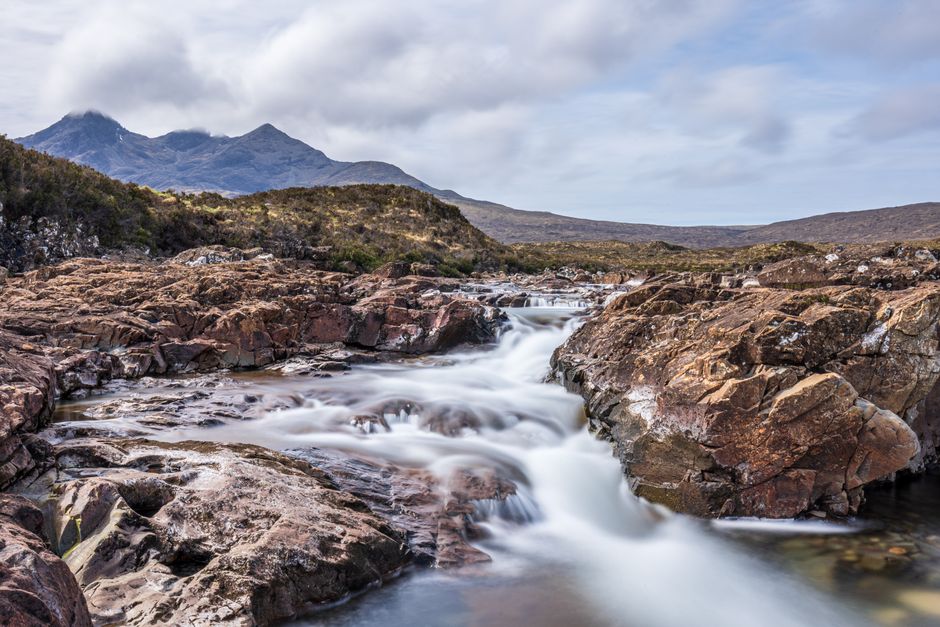
Three nights is the minimum that makes sense
Three nights gives you enough time for the Trotternish Peninsula, one western route, and a weather backup. Two nights can work if Skye is part of a larger Highlands trip, but you will spend too much of the visit checking the clock. A single night is a poor trade unless you only want a quick stop in Portree.
Choose one base before adding detours
Portree is the simplest base for a first visit. It has the largest choice of accommodation, supermarkets, fuel, restaurants, and road connections. From Portree, the Old Man of Storr is about 15 minutes by car, the Quiraing is roughly 45 minutes, and the Fairy Pools are around 50 minutes, before stops and traffic.
Dunvegan or Uig makes more sense for a quieter trip or a west-and-north focus. Dunvegan cuts the drive to Neist Point and Dunvegan Castle. Uig places you closer to the Quiraing and northern Trotternish. Do not change accommodation every night to save twenty minutes of driving. Packing, checking in, and finding dinner will cost more time than the map suggests.
Verdict: Stay in Portree for three or four nights unless you are deliberately exploring the far west or planning a longer trip around the Outer Hebrides.
How should you drive around Skye in June?
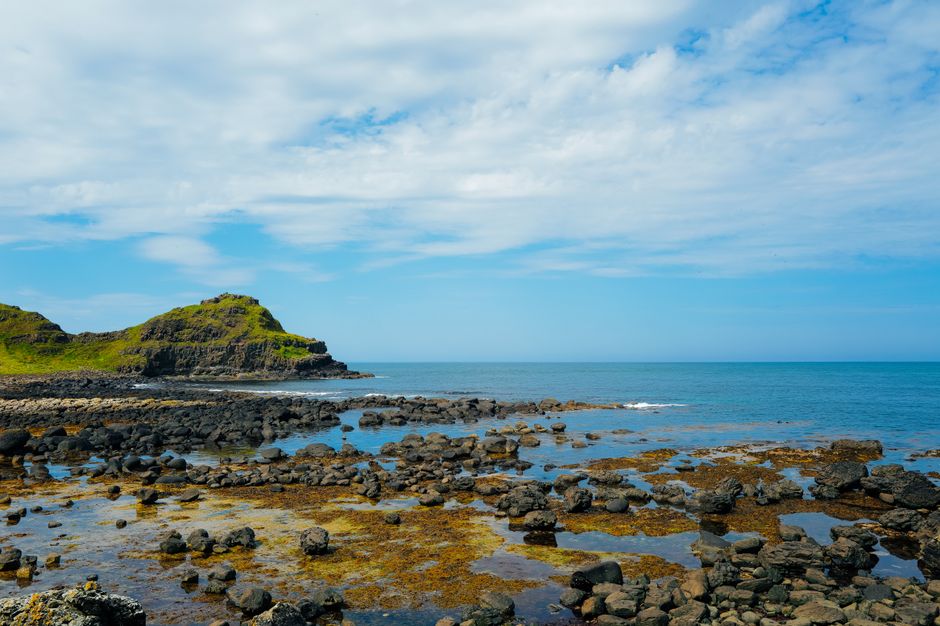
Assume every journey takes longer than the navigation app says
Skye is not large in distance, but it is slow in practice. Many roads are narrow, winding, and single-track. Passing places are for allowing traffic to pass, not for parking. Pull into the nearest passing place only when it is safe, then let faster vehicles through. Never stop in the middle of the road for a photograph.
- Fill the tank before long western or northern loops. Fuel stations are limited outside Portree and larger villages.
- Download offline maps before leaving strong mobile coverage.
- Start major sights before 9 a.m. in June, especially the Old Man of Storr and Fairy Pools.
- Keep the car facing the correct side of the road at passing places and reverse when necessary.
- Leave time to return before fatigue sets in. Long daylight can trick you into driving tired.
Choose the bridge or ferry for a clear reason
The Skye Bridge is the easiest route for most visitors arriving from Inverness or the mainland. It avoids a timetable and gives you a direct drive toward Portree. The Mallaig to Armadale ferry is a better choice if you are coming from Fort William, travelling through Glenfinnan, or building Skye into a west-coast route. The sailing takes about 45 minutes.
For summer 2026, Caledonian MacBrayne lists an adult single fare of £4 and a car single fare of £13.25 on the Mallaig to Armadale route, before any changes or booking conditions. Vehicle spaces should be booked ahead. Check the sailing status on the day because tides, maintenance, and operational changes can affect the timetable.
Verdict: Use the bridge for reliability and the ferry for a better west-coast journey. Do not choose the ferry simply because it looks scenic if missing it would break your itinerary.
Which Skye walks are worth doing in June?
Is the Old Man of Storr better than the Quiraing?
For most visitors, the Old Man of Storr is the better first hike. The main route is roughly 5.5km return and usually takes two to three hours, depending on conditions and stops. The climb is steady, the rock formations are dramatic, and the route is easier to fit around other sights. Go early. The car park and lower path become busy, especially on dry June mornings.
The Quiraing gives you the stronger landscape, but it demands more time and care. The full circuit is about 6.8km and often takes three to four hours. The path crosses exposed ground with uneven sections, mud, and steep drops near the escarpment. Low cloud can remove the views and make navigation harder. For a clear day and prepared walkers, the Quiraing wins. For a shorter, simpler hike, choose Storr.
What should you do in rain or low cloud?
Do not force an exposed ridge in poor conditions just because it is on the schedule. Visit Dunvegan Castle, explore Portree, drive through Sligachan, or use a shorter coastal walk. The Fairy Pools can still be attractive in rain, but the stones become slippery and the water is cold. Coral Beach near Claigan is a good low-level alternative when the hills are covered, although the access road and final walk still need care.
Neist Point is worth the drive for cliffs, sea stacks, and evening light, but wind can be severe. Stay away from cliff edges and keep children close. The best June walk is the one that matches the weather instead of trying to defeat it.
What mistakes ruin an Isle of Skye trip?
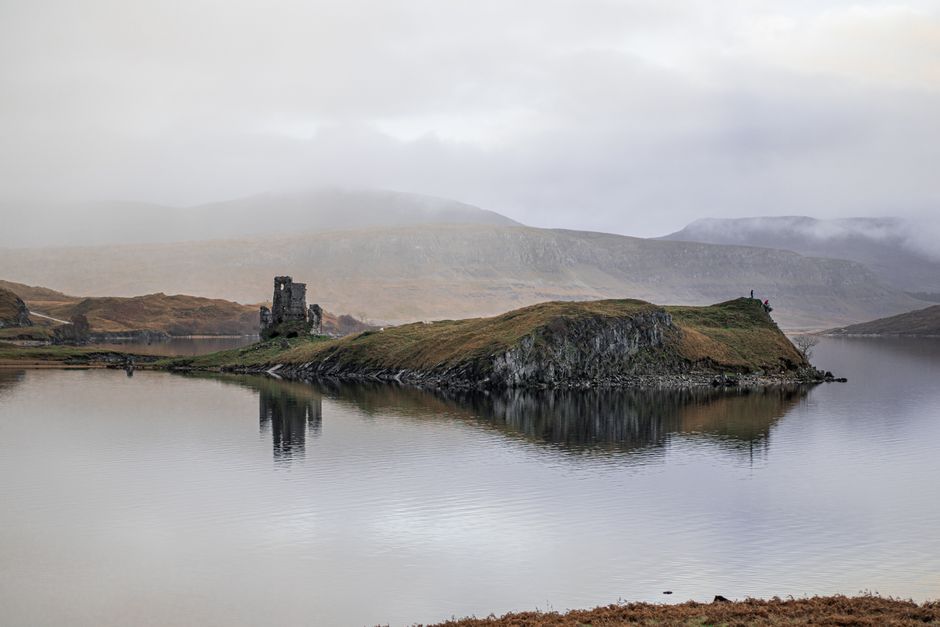
Do not build a checklist itinerary
The biggest mistake is treating Skye like a theme park. Visitors plan Storr, Kilt Rock, the Quiraing, Fairy Glen, Fairy Pools, Neist Point, Dunvegan, and Coral Beach in one day. That is not ambitious. It is a plan to spend the day in a car, searching for parking, and arriving at the final stop exhausted.
- Do not book only one night unless you accept that weather may erase most of your plans.
- Do not assume June means dry trails, warm evenings, or empty viewpoints.
- Do not park on passing places, grass verges, gateways, or private drive entrances.
- Do not rely on a late restaurant opening after a remote evening drive. Check dinner hours in advance.
- Do not walk close to cliff edges for photographs. Wind gusts are stronger than they appear.
- Do not leave rubbish, toilet paper, or food waste on trails. Busy sites already put heavy pressure on local communities.
What should you reserve first?
Reserve accommodation and any vehicle ferry space before the rest of the trip. Portree rooms fill quickly in June, and changing dates later can force a much longer drive from the mainland. Check road access and parking information for each major sight before setting out. A famous place can still be a bad choice on a wet afternoon if the route is exposed and the car park is full.
The right Skye plan has three fixed points per day: one major sight, one realistic walk, and one backup. Everything else is optional. That structure gives you enough room to stop when the view is good, wait for a rain shower to pass, and enjoy the island instead of racing across it.