
You arrive in Provence at noon, find a crowded field with weak color, and discover that the famous lavender photos were taken three weeks earlier. The fix is simple: plan around bloom stage, driving time, and heat instead of trusting a generic summer calendar.
Why Lavender Season Peaks in Provence in July
The lavender season in Provence does not begin and end on one fixed date. Different areas grow different varieties at different elevations, so a field near Avignon can look ready while a higher field near Sault is still green. July is the safest month for a first trip, but even July needs a plan.
English lavender blooms earlier
True English lavender, or Lavandula angustifolia, usually flowers from late June into early July. You find it most often in higher, cooler areas such as Sault and parts of the Drôme. The plants are shorter, the color is often softer, and the rows look less dramatic from a distance. The trade-off is atmosphere: fewer tour buses and cooler morning walks.
Lavandin creates the famous purple fields
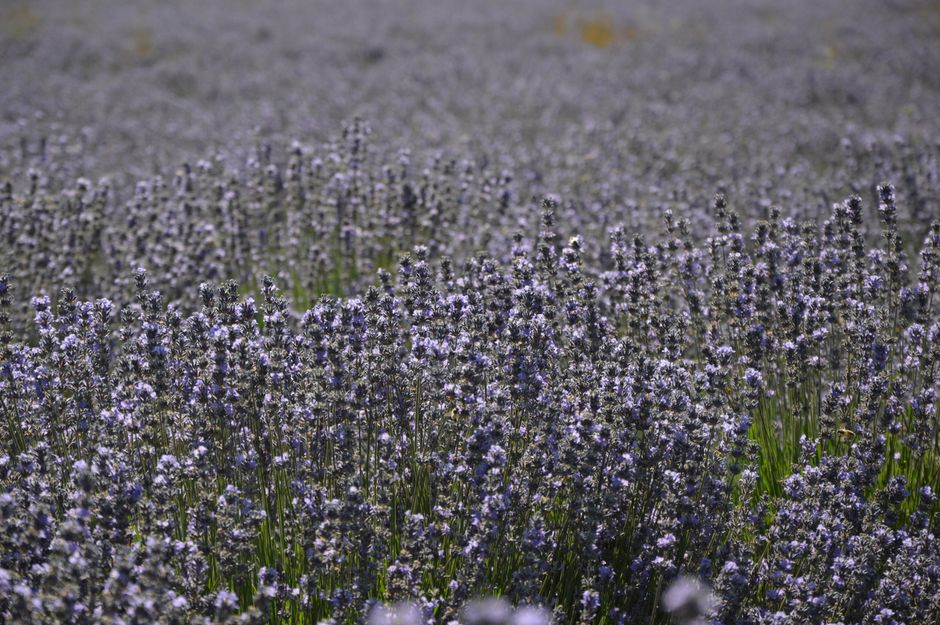
Most postcard views use lavandin, a hybrid known for taller stems and strong color. It blooms from early to mid-July in lower areas such as the Valensole Plateau and the Luberon. In a warm year, harvesting can start before the middle of the month. If the fields are your main reason for visiting, aim for roughly July 1 to July 15 and keep one alternate area available.
Harvest dates can change the whole trip
Farmers cut lavender when the flowers reach the right stage for oil production. A field can look perfect on Monday and show brown stubble by Friday. That is not a travel failure; it is agriculture. Ask your accommodation or local tourist office for a field update two days before each drive, then choose the freshest area rather than chasing one famous viewpoint.
Choose Your Lavender Dates by Bloom Stage, Not Calendar Hype

The best dates depend on the area you want to see. A June trip rewards travelers who prefer cooler weather and fewer visitors. A July trip gives the strongest odds of seeing long purple rows. August is not the smart default for lavender, even though it remains a popular month for Provence holidays.
June works for cooler walks and early fields
| Period | Best area | What to expect | Main drawback |
|---|---|---|---|
| June 15–30 | Luberon and lower Vaucluse | Early color, green hills, mild mornings | Some fields are not open yet |
| July 1–15 | Valensole Plateau and Luberon | Strongest overall bloom odds | Heavy traffic at famous stops |
| July 15–31 | Sault and higher plateaus | Later blooms and cooler air | Lower fields may already be cut |
| August 1–10 | Higher Sault area | Some remaining color and summer festivals | Heat, crowds, and many harvested fields |
July wins for a first lavender trip
For a first visit, choose July 1–15 and build in flexibility. Do not lock every day around one field. If rain delays flowering or a farmer cuts a popular route, you still have another landscape to visit.
Three Nights in the Luberon Beats Seven Nights Chasing Fields
The best first-trip base is central
Stay near Apt, Bonnieux, or Roussillon and you can reach several different field zones without moving hotels every night, which matters more than collecting every famous village because lavender sightseeing works best at sunrise, while the same roads become slow and crowded after breakfast, and a central base gives you time for markets, hill towns, and a quiet dinner instead of turning the holiday into a daily luggage transfer.
Longer is not automatically better
Three well-planned nights can beat a full week if the extra days only repeat the same drive, so use one day for the Luberon, one for a wider loop toward Sault or Valensole, and one for weather insurance, while travelers who want museums, swimming, and slower meals should add nights for those reasons rather than assuming more lavender fields will create a better experience.
Build the Trip Around Sunrise Drives and Midday Shade

The winning schedule is early, short, and flexible. Lavender fields look better in low light, roads are calmer before 9 a.m., and summer heat becomes tiring fast. Plan one main field stop, one village, and one shaded or indoor activity each day.
- Leave before breakfast. Start driving around 5:45–6:30 a.m. for a major viewpoint. In July, sunrise arrives early, and the soft light is worth the alarm.
- Stop for 30–45 minutes. Walk the field edge, take photographs, and stay on public paths. Never enter planted rows or block farm entrances for a picture.
- Eat before noon. Reserve lunch or shop at a market. Many small restaurants fill quickly between 12:30 and 1:30 p.m.
- Hide from the worst heat. Use 1–4 p.m. for a museum, long lunch, pool, winery, or hotel rest. Walking exposed fields at 35°C is a poor use of a holiday.
- Drive again late. Add a second field or hill town after 5 p.m. only if the roads and your energy allow it.
Transport costs need an honest buffer
For a rail-first plan, early SNCF TGV INOUI fares from Paris to Avignon can start near €45 one way, but summer departures rise quickly. For a road loop, budget roughly €55–€85 per day for a Renault Clio class rental from Europcar and €50–€80 per day for a Peugeot 208 class from Hertz, before fuel, insurance, and parking. These are planning figures, not guaranteed quotes. The clear choice for field-hopping is a small rental car; trains work better when villages and museums matter more than remote farm roads.
Base Yourself in One Village: Gordes Wins for First-Time Visitors
For a first Provence lavender trip, choose Gordes as the visual base, but stay just outside the village if you care about sleep and price. Gordes gives you fast access to the Abbey of Sénanque, Roussillon, Bonnieux, and several Luberon routes. It also delivers the classic stone-village scenery that many visitors expect from Provence. The price is traffic, steep roads, and higher accommodation rates.
Choose Gordes for scenery and short driving loops
Gordes suits travelers who want a photogenic home base, restaurant access, and easy evening walks. Book parking before arrival when possible. The village is not flat, and rolling a suitcase over old stone streets is unpleasant, so pack lightly and confirm whether your lodging has on-site parking.
Choose Apt or Cavaillon for value
Apt is the better practical base for market shopping, groceries, and a wider choice of modest rooms. Cavaillon works for travelers arriving by train or combining Provence with Avignon. You lose some postcard atmosphere, but you gain easier roads and lower nightly costs. Do not pay a premium for a village view if your actual plan is to leave at dawn and spend the day driving.
When a rental car is the wrong choice
Skip the rental car if you dislike narrow roads, do not want to drive before sunrise, or plan to spend most of the trip in Avignon, Aix-en-Provence, and major museums. In that case, use trains, local buses, and one guided day tour. A Renault Clio or Peugeot 208 is useful for remote fields, not automatically useful for every Provence itinerary.
Fix the Mistakes That Ruin Lavender Trips
Should you visit the most famous field first?
No. Start with a nearby field recommended by your host, then use famous locations as a backup. The most photographed places attract coach groups, and one harvest can erase the view you expected. Local advice two days before your drive is more valuable than an old social media post.
Can you walk anywhere in a purple field?
No. Lavender farms are working land. Stay on marked paths, keep dogs controlled, and never pick stems or stand between rows. Some fields charge a small entry fee; pay it. A good photo is not worth damaging a crop or arguing with the farmer who owns it.
What should you do if the flowers are already cut?
Switch regions instead of forcing the itinerary. If lower Luberon fields look brown, drive toward Sault or another higher route after checking conditions. Then replace the missed field with a market, distillery visit, hill-town walk, or museum. The biggest mistake is treating one purple landscape as the entire purpose of Provence.
Pick the Trip Style That Matches Your Heat Tolerance
The right Provence plan is the one you can enjoy at 6 a.m. and still have energy for at 7 p.m. Choose your style before booking hotels, because the same destination feels completely different from a shaded village base, a long road loop, or a train-led city break.
| Trip style | Best for | Plan | Verdict |
|---|---|---|---|
| Luberon base | First-time visitors and photographers | 3–4 nights near Gordes, Apt, or Bonnieux; two dawn drives | Best overall choice |
| Valensole road loop | Travelers focused on large purple fields | 2 nights near Valensole; drive at sunrise and late afternoon | Best for dramatic field views |
| Sault highlands | Cooler-weather travelers | 2–3 nights at higher elevation; combine fields with villages | Best after mid-July |
| Train and city plan | Drivers who dislike rural roads | Avignon or Aix base with one organized countryside day | Best for culture over fields |
My pick is the Luberon base: it gives you the strongest mix of lavender, villages, food, and backup plans. Book a small room with parking, arrive before the crowds, and treat the fields as part of Provence rather than the whole trip.