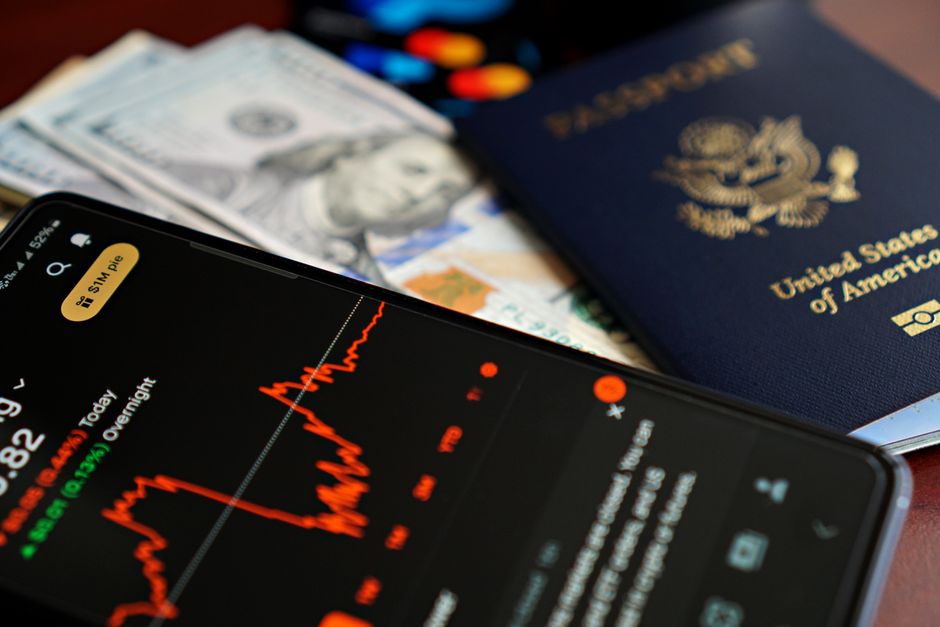
You booked the flight, packed your bags, and double-checked the weather. But did you check whether your passport expires within six months of your return date? That small detail grounds more travelers than lost luggage ever will. Here is exactly what you need to sort out before you leave in 2026.
Passport Validity: The Six-Month Rule Is Not a Suggestion
Many countries require your passport to be valid for at least six months beyond your departure date. Not your arrival date. Not the day you land. The day you fly home.
Check your passport expiration date today. If it expires within nine months of your trip, renew it now. Standard renewal through the U.S. Department of State takes 6–8 weeks. Expedited service costs an extra $60 and takes 2–3 weeks. In 2026, some countries may tighten these rules further after the pandemic backlog.
Do not assume your passport is fine because it does not expire until next year. If you travel to Indonesia, Thailand, or most of Southeast Asia, the six-month rule is enforced at check-in. The airline can deny boarding. No refund.
One more thing: check your passport has at least two blank pages. Some countries require a full page for the entry stamp. If your pages are full, you need a new passport, not just a renewal.
What to do if your passport arrives late
If your renewal is stuck in processing, call the National Passport Information Center at 1-877-487-2778. They can sometimes transfer your application to a regional agency for in-person pickup. This works best if you have proof of travel within 14 days.
Visa Requirements: Do Not Assume You Are Exempt

The visa rules changed fast in 2026 and 2026. By 2026, expect more countries to require pre-travel authorization even for short visits.
Start here: Go to the travel.state.gov website and search your destination country. Look for “Entry, Exit and Visa Requirements.” Do not use third-party sites that charge fees for free information.
Popular destinations that currently require a visa or electronic travel authorization (ETA):
- Australia: ETA via the Australian ETA app. $20 AUD. Takes minutes.
- India: e-Visa for tourism. $25–$100 depending on duration. Apply 4 days before travel.
- Kenya: eTA required. $30. Apply 3 days before.
- United Kingdom: Electronic Travel Authorization (ETA) for visa-exempt nationals. £10. Launching fully in 2026, mandatory by 2026.
Failure mode: People assume their passport country is visa-exempt everywhere. It is not. A friend of mine showed up at the airport for a trip to Brazil and discovered she needed a visa. She had to cancel the flight. Do not be that person.
Travel Insurance: The One Document You Hope You Never Use
Travel insurance is not a document you carry, but it is a document you must have. In 2026, medical evacuation costs can exceed $100,000 from remote areas. Your regular health insurance rarely covers you abroad.
What to look for in a policy:
| Coverage Type | Minimum Recommended | Why It Matters |
|---|---|---|
| Medical expenses | $100,000 | Hospital stays, surgery, ambulance |
| Medical evacuation | $500,000 | Air ambulance back to your home country |
| Trip cancellation | 100% of trip cost | Refund if you cancel for covered reasons |
| Baggage loss | $1,500 | Replacement of essentials if luggage is delayed |
My pick: World Nomads offers straightforward policies with no hidden deductibles. For longer trips, SafetyWing is cheaper and covers digital nomads well.
Print your policy details and save a PDF on your phone. Also email it to yourself. If you are hospitalized, you will not be able to search your inbox for the policy number.
Digital Backups: Your Phone Is Not Enough

Phones get stolen, lost, or run out of battery. If your phone holds the only copy of your passport, visa approval, and flight confirmation, you are one dead battery away from a disaster.
Three-layer backup system:
- Physical copies: Print two copies of every document. Keep one in your carry-on, one in your checked luggage.
- Cloud storage: Upload scans to Google Drive or iCloud. Make sure they are accessible offline.
- Email yourself: Send a single email with all attachments. Subject line: “DOCUMENTS — [Your Name] — [Trip Dates].” Easy to search.
What to scan: Passport photo page, visa approval, travel insurance certificate, flight itinerary, hotel confirmations, international driving permit (if driving).
Do not forget to include emergency contacts. Write down the phone number of your country’s embassy or consulate in the destination. Store it in your phone contacts and on paper.
International Driving Permit: Do You Actually Need One?
If you plan to rent a car abroad, you might need an International Driving Permit (IDP). It is not a license. It is a translation of your existing driver’s license.
When you need it: Japan, Italy, Spain, Australia, and many other countries require an IDP to rent a car. The rental agency will refuse you without it.
When you do not: Most of Western Europe accepts a valid U.S. driver’s license for short-term rentals. But check the specific country. France, for example, requires an IDP for non-EU licenses since 2026.
Getting an IDP is easy. In the U.S., go to an AAA office. Bring two passport photos, your valid driver’s license, and $20. They issue it on the spot. It is valid for one year.
Common mistake: People confuse an IDP with an international license. There is no such thing as an international driver’s license. The IDP is just a translation. You must carry your original license with it.
Global Entry and TSA PreCheck: Worth the Fee in 2026

If you travel internationally more than once a year, the time saved at customs and security makes these programs worth it.
TSA PreCheck costs $78 for five years. You keep your shoes on, leave your laptop in the bag, and skip the long security line. Apply online, schedule a 10-minute in-person interview, and get your Known Traveler Number.
Global Entry costs $100 for five years and includes TSA PreCheck. It lets you skip the customs line when returning to the U.S. The interview is more involved — you need a passport and proof of residence — but the time saved at JFK, LAX, or Miami is massive.
My verdict: Get Global Entry if you travel internationally even once a year. The extra $22 over PreCheck pays for itself the first time you skip a 45-minute customs line. Apply now. The approval process takes 4–6 months in some regions.
One catch: Global Entry does not guarantee you skip the line at every airport. Some smaller airports do not have the kiosks. But it works at all major U.S. hubs.
Emergency Documents: What to Do When Things Go Wrong
Lost passport. Stolen wallet. Canceled flight. These things happen. Your preparation determines how bad the outcome is.
If you lose your passport abroad:
- File a police report immediately. You need this for the embassy.
- Contact your country’s embassy or consulate. They can issue an emergency passport, usually within 24 hours.
- Bring a copy of your passport (physical or digital) and two passport photos. This is why the backup system matters.
- An emergency passport is valid only for direct return to your home country. You cannot use it for onward travel.
If your flight is canceled: Your travel insurance may cover accommodation and meals. But only if you have the policy document and know the claims process. Save the emergency number in your phone before you leave.
Do not assume the airline will help. In many countries, airlines have no legal obligation to rebook you on another carrier or pay for hotels. Your insurance is your safety net.
The single most important takeaway: start your document preparation 90 days before departure, not 7 days.