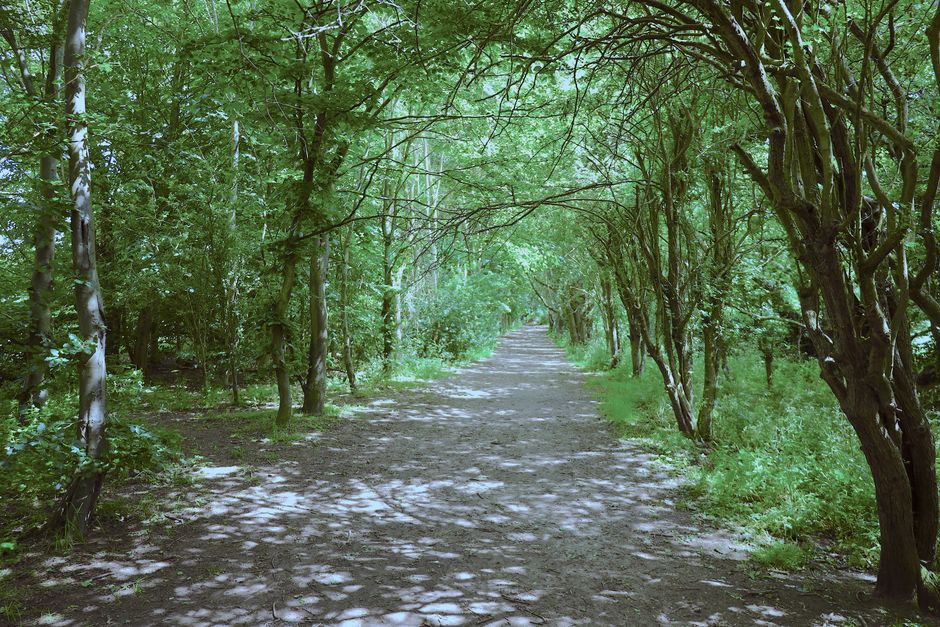
You have one free Saturday in spring, the forecast looks bright, and you want to walk through an English woodland covered in blue. Will the bluebells actually be in flower when you arrive, and how can you enjoy the display without ending up on a muddy path, in a crowded car park, or standing on the plants themselves?
This plan covers bloom timing, suitable first walks, practical preparation, access etiquette, and bad-weather decisions. The legal point concerns England and Wales, not a U.S. state. This is not legal advice — consult a licensed attorney if you need advice about a specific land-access or wildlife-law dispute.
Which English bluebell wood is best for a first walk?
A practical comparison
For a first visit, choose a managed estate or reserve with a named car park, marked paths, and a current visitor page. Remote woodland can be beautiful, but it creates more chances of poor phone signal, unclear access, and deep mud.
| Woodland | Best for | Main tradeoff |
|---|---|---|
| Ashridge Estate, Hertfordshire | A famous spring display, established visitor facilities, and several walking options near London. | Bluebell season can be very busy, so off-peak arrival matters. |
| West Woods, Wiltshire | A classic beech-wood setting and a strong choice for photographers travelling through the west of England. | Some paths become muddy, and visitors should check current parking and access information. |
| Blickling Estate, Norfolk | A wider estate visit combining woodland, historic grounds, and a longer day outdoors. | The bluebell wood is only one part of the estate, so it may not suit someone seeking a short, single-purpose walk. |
My first-visit pick
Ashridge Estate is the clearest first choice for a visitor who wants a well-known bluebell walk with practical infrastructure. The tradeoff is crowding. Arrive early on a weekday, or choose a less fashionable time of day, and check the National Trust’s current bluebell advice before setting out. For a quieter trip, West Woods can offer a better atmosphere, but it rewards visitors who arrive prepared for uneven ground.
Sites change their routes, parking arrangements, and dog rules during the season. Treat the table as a starting point, then confirm the land manager’s page on the day before travel.
How should you plan a bluebell woodland walk?
A simple planning sequence
- Check the flowering report. Look for a recent update from the land manager rather than relying on a two-year-old travel photograph.
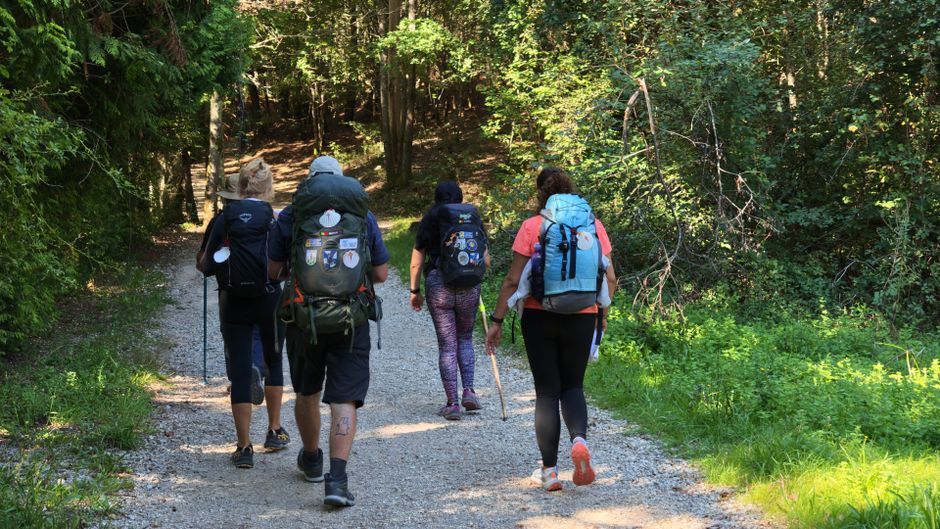
- Measure the route against your group. A two-mile woodland circuit can take much longer than expected when the surface is wet, children stop for photographs, or a member of the group walks slowly.
- Confirm access hours. Some woods sit inside estates with timed parking, gates, or seasonal restrictions. A public footpath does not always mean that every nearby field or track is open.
- Choose the right arrival time. Early morning usually means lighter crowds and easier parking. Late afternoon can produce softer light, but it may leave less time if the route is longer than expected.
- Save an offline map. Download the estate map before entering the wood. Phone service can drop among trees, and a low battery is a poor substitute for navigation.
- Build in a weather exit. Know where the nearest café, village, bus stop, or short return route is located before the rain begins.
How long should you allow?
Allow at least three hours for a first visit: travel from the car park, a slow walk, photo stops, and a short break. Add more time if the site includes a house, garden, viewpoint, or second loop. A rushed visit encourages people to leave the path and cross the flower carpet for a better photograph. A realistic schedule protects both the visitor and the woodland.
The strongest plan is modest. Pick one main route, one backup loop, and one indoor or village stop. That is enough structure for a satisfying spring day without turning the walk into a race against the clock.
Why staying on the path matters more than getting the perfect photo
Stay on the marked path, even when the best carpet is six feet away. Bluebell colonies can take around five to seven years to grow from seed to flowering plants, and repeated footsteps compact the soil, crush leaves, and break the underground bulbs’ growing cycle.
The damage is easy to miss
A single person stepping off the track may seem harmless. Popular woods receive hundreds or thousands of visitors during the short flowering season, so the repeated pattern matters. Shortcuts widen the path. Photographers create new standing areas. Dogs running through the flowers flatten patches that may not recover before the next season.
Use a telephoto lens or move along the existing track instead of walking into the colony. If a group needs to stop, stand on bare soil, gravel, or a designated viewing area. Keep tripods, prams, and walking poles on the path where the surface can handle them.
The legal boundary in England and Wales
The native English bluebell, Hyacinthoides non-scripta, appears in Schedule 8 of the Wildlife and Countryside Act 1981 in respect of section 13(2). Section 13 makes it an offence to intentionally pick, uproot, or destroy a protected wild plant, subject to the Act’s exceptions. The statute also restricts selling or possessing listed wild plants for sale. Read the current text of section 13 of the Act if you need the exact wording.
Practical answer: do not pick bluebells, dig them up, or enter the colony for a photograph. Follow the land manager’s signs, because site rules can be stricter than the general legal baseline.
Can you pick bluebells, bring dogs, or walk off the trail?

Can I pick a flower for a photograph or souvenir?
No. Do not pick bluebells in a managed woodland. The legal position can depend on the plant, land, and circumstances, but the native English bluebell receives specific protection under the Wildlife and Countryside Act 1981. Picking, uprooting, or destroying a protected wild plant intentionally can create legal risk. Taking a photograph leaves the plant in place and gives you the better souvenir.
Can I bring a dog?
Only if the site permits dogs and you can keep the dog under reliable control. A lead may be required during nesting season or across particular sections of an estate. Check the current notice rather than assuming that a public footpath has the same dog rules as the whole property. Dogs should remain on the path or within the area allowed by the land manager.
What if the path is blocked or crowded?
Turn back, use the signed alternative, or choose the backup loop. Do not climb a fence, cross a closed section, or follow an informal track simply because other visitors are doing it. A crowded viewpoint is a reason to pause or move on, not a reason to stand in the flowers. This is the clearest way to keep the visit safe, lawful, and pleasant for people arriving behind you.
What should you do when spring weather changes the plan?
Rain, wind, and poor visibility
Light rain rarely ruins a bluebell walk. It changes the priorities: slower footing, fewer exposed viewpoints, and more time for the return. Heavy rain can turn chalk, clay, and leaf mould into slippery surfaces. Strong wind may close woodland paths because falling branches become a hazard. Check the site’s alert page before travelling, and accept a closure as a final decision rather than a challenge.
If the forecast worsens after you arrive, shorten the route. Keep your phone dry, avoid streams that have risen over crossing points, and do not rely on a narrow woodland track after daylight fades. The best alternative may be the estate garden, a village walk, or a return visit in a better weather window.
The clear verdict for a first visit
For a first trip, choose a managed English woodland with a current flowering update, marked paths, nearby facilities, and a three-hour schedule. Ashridge Estate is the strongest all-round choice for access and visitor support; West Woods is the better pick for a quieter beech-wood feel if you can accept muddier conditions. Arrive early, stay on the path, and leave every bluebell where it grows.
That answers the question waiting at the start of the day. The visitor with one free Saturday does not need perfect weather, specialist equipment, or a risky shortcut. A checked bloom report, sensible footwear, and respect for the marked route are enough to turn a spring woodland visit into the bluebell walk they came to find.