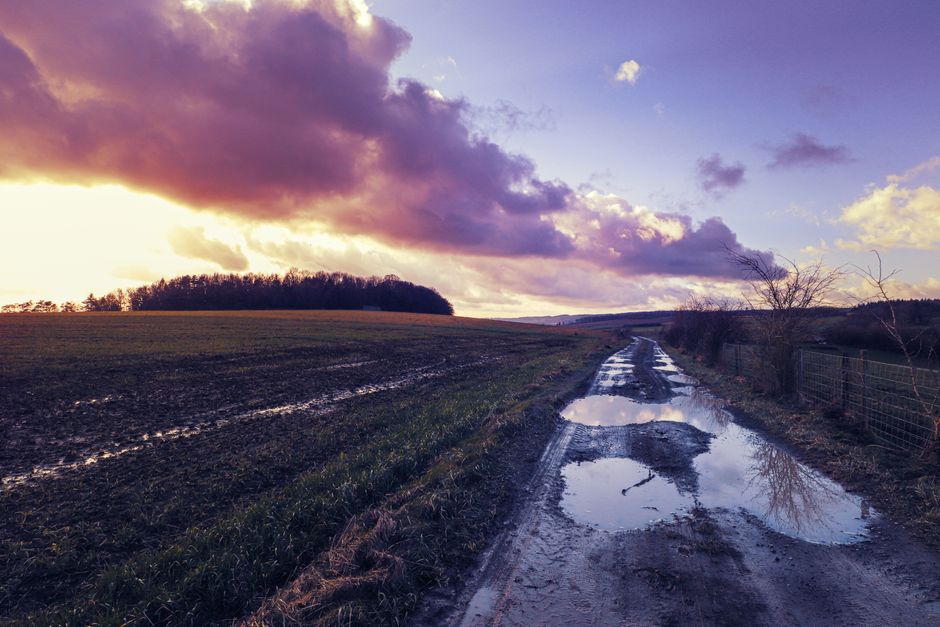
A spring drive through the Scottish Borders works best when you slow the route down. Use four days to connect market towns, ruined abbeys, quiet viewpoints, and country roads without spending the whole trip behind the wheel.
What is the best Scottish Borders road trip route?
Verdict: drive from east to west over four days. Start in Berwick-upon-Tweed, then move through Coldstream, Kelso, Jedburgh, Melrose, St Boswells, Selkirk, and Peebles. This route gives you a clear line through the region and avoids repeating the same roads.
Why the east-to-west route works
Berwick makes a strong starting point because it has rail connections, a compact historic centre, and quick access to the A1. From there, the roads become quieter as you travel inland. Kelso is a practical first base, Jedburgh adds Roman and medieval history, and Melrose gives you the best mix of abbey architecture, walking, and views. Finish around Peebles or Innerleithen, where forest roads and short hill walks replace formal sightseeing.
The full route covers roughly 170 to 210 miles, depending on detours. That distance is manageable, but the small roads make the driving slower than a map suggests. Allow at least 45 minutes for every 25 miles once you leave the main roads.
Four-day route outline
| Day | Route | Approximate driving | Best focus |
|---|---|---|---|
| 1 | Berwick-upon-Tweed to Kelso via Coldstream | 45 miles, 1 hour 30 minutes | Coast, bridges, market towns |
| 2 | Kelso to Melrose via Jedburgh | 55 miles, 2 hours | Abbeys, castles, local history |
| 3 | Melrose to Selkirk and Hawick | 45 miles, 1 hour 45 minutes | Viewpoints, rivers, textile heritage |
| 4 | Hawick to Peebles via St Marys Loch | 65 miles, 2 hours 30 minutes | Forest roads, lochs, hill walks |
Book two nights in one base if you dislike packing each morning. Kelso is the best base for the eastern half; Melrose is the best base for walkers and first-time visitors.
When should you take a spring road trip in the Scottish Borders?
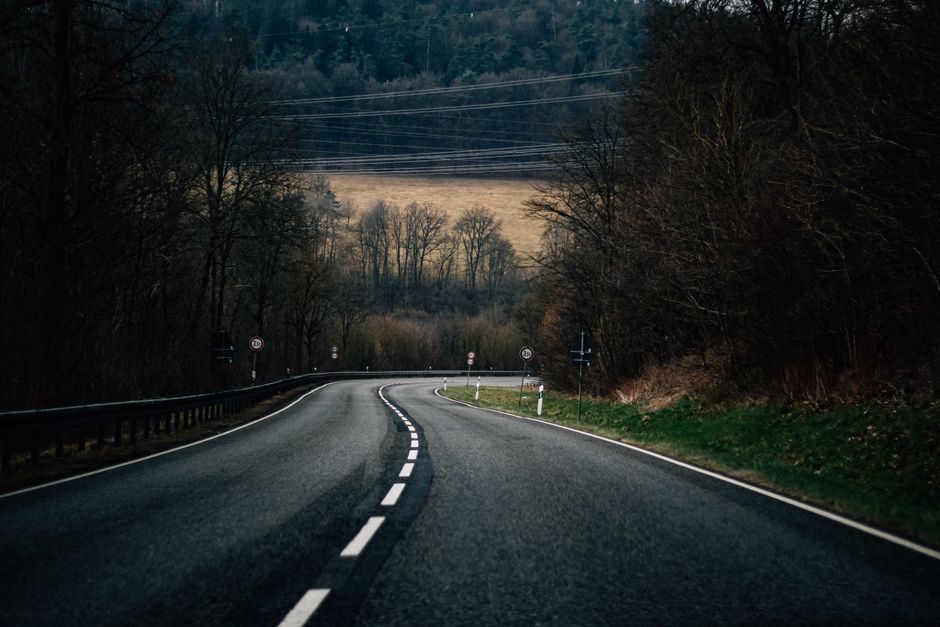
Verdict: choose May for the easiest balance of daylight, open attractions, and usable walking conditions. April can be beautiful, but it brings a higher chance of cold rain and muddy paths. May usually gives you longer evenings and a better chance of completing a viewpoint walk after checking in.
April, May, or early June?
April suits travellers who want quieter roads and do not mind changing plans around showers. Woodland floors can look excellent after rain, and the hills often carry fresh green colour. The tradeoff is that exposed viewpoints may feel cold, especially when wind arrives from the North Sea.
May is the strongest all-round choice. Aim for the middle or second half of the month if you want longer daylight without the busiest summer traffic. Early June gives the longest useful evenings, but accommodation prices may rise and popular towns can feel busier.
Pack for four kinds of weather
Use a small day bag with a waterproof shell, a warm mid-layer, walking shoes with firm soles, spare socks, sunglasses, and a hat. Keep the waterproof layer accessible in the passenger area rather than buried under luggage. A dry pair of shoes matters more than an extra outfit.
Plan outdoor stops in blocks of 60 to 90 minutes. If the rain arrives, switch from a hill viewpoint to an abbey, museum, café, or town walk. Spring weather changes quickly, so a flexible order is more useful than a rigid list of stops.
Build daylight into each day
Start sightseeing by 9:30 a.m. and keep the final drive short. Do not save a remote viewpoint for the last hour, when low cloud can erase the view and narrow roads become tiring. The best spring rhythm is one major stop, one short walk, lunch in a town, and one optional stop before checking in.
How do you plan each day without rushing?
The reliable method is to choose one anchor visit and two optional stops. The anchor determines the day; the optional stops disappear when the weather, parking, or your energy changes. This keeps the trip useful even when a road takes longer than expected.
Use the one-anchor rule
- Choose one fixed highlight. Make this an abbey, castle, viewpoint, or long walk that deserves your best energy.
- Add one nearby stop before lunch. Keep it within 20 minutes of the anchor so a late start does not damage the whole day.
- Leave a weather option. Pick an indoor visit in the nearest town for heavy rain or poor visibility.
- Finish before fatigue sets in. Aim to reach your accommodation by 5:30 p.m., especially after a day on narrow roads.
A practical four-day sequence
On day one, walk the walls and riverside in Berwick-upon-Tweed before driving inland to Coldstream and Kelso. On day two, visit Jedburgh in the morning, then continue to the Roman history around Trimontium or the abbey at Melrose. Day three works best as a slower local day: use Scott’s View, St Boswells, Dryburgh, Selkirk, or Hawick, but do not try to fit all five into one schedule.
On day four, take the scenic route toward St Marys Loch and Peebles. Choose one short lochside walk instead of several roadside photo stops. The route feels better when you have time to stop for coffee, read an information board, or wait ten minutes for a rain shower to pass.
The common mistake is treating the Borders like a checklist. Distances look small, but a single castle visit can take two hours once you include parking, walking, and time inside. Fewer stops produce a better trip.
Which maps and weather tools should you use?
My pick is a two-map setup: Google Maps for the road network and OS Maps for walking routes. One app handles driving, while the other shows paths, contours, and public rights of way. Relying on a single navigation screen is a poor choice on rural roads because mobile coverage can drop between towns.
Set up navigation before leaving
Download offline areas in Google Maps before the trip. Save Berwick-upon-Tweed, Kelso, Jedburgh, Melrose, Hawick, and Peebles as separate map areas so you can still search when the signal disappears. Use Google Maps for estimated drive times, but check the final road choice yourself. It may select a narrow shortcut that saves five minutes and adds stress.
For walks, use the OS Maps app and download the route before setting out. The useful detail is not the app name; it is the contour information. A route that looks short can include a steep climb, exposed ground, or a boggy section after rain. Pick walks with a clear return route and a bail-out point.
Check forecasts at the right time
Use the Met Office app each morning for the regional forecast and rainfall radar. Check the forecast for the exact area, not just Scotland as a whole. The coast around Berwick can be dry while the higher ground near St Marys Loch sits under cloud.
Keep a simple rule: if visibility drops below the view you drove to see, move that stop to the next day. Do not keep climbing because the itinerary says so. The trip needs working decisions, not perfect obedience to a plan.
Which Scottish Borders road trip style suits you best?
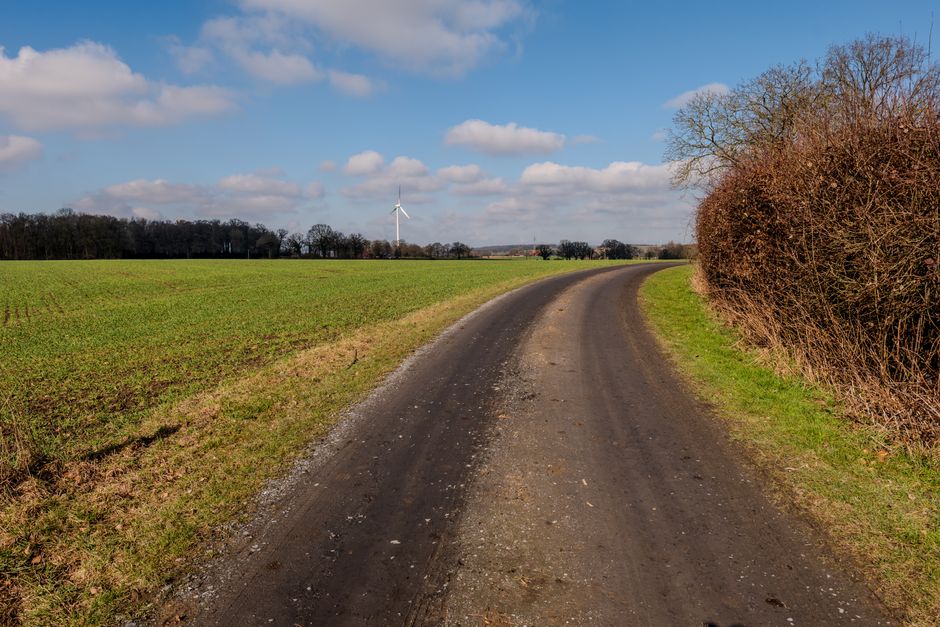
Choose the four-day east-to-west route if this is your first visit. It gives you the clearest mix of coast, abbeys, market towns, and hill scenery, with enough spare time to change plans. A shorter trip can work, but it needs a sharper focus.
Are two days enough?
Two days are enough for Berwick-upon-Tweed, Coldstream, Kelso, and one of either Jedburgh or Melrose. They are not enough for a relaxed full-region loop. Choose this version when you want history and town walks more than remote scenery.
Should you add St Abbs or the coast?
Add the St Abbs coast when cliffs and sea views matter more than the western hills. It works best as a separate eastern detour from Berwick, not as a quick extra stop after a full day inland. Wind can make the coast feel much harsher than the forecast suggests, so keep the walk short if conditions turn.
Which route gives the best final day?
Finish in Peebles if you want cafés, forest walks, and an easier onward journey to Edinburgh. Finish in Hawick if textile history and quieter roads matter more. The route below is the simplest comparison.
| Trip style | Best for | Choose this route |
|---|---|---|
| Two days | First taste of Borders history | Berwick, Kelso, Jedburgh, Melrose |
| Four days | Best overall balance | Berwick to Peebles via Kelso and Melrose |
| Five or more days | Walking and slower travel | Add St Abbs, Hawick, the Cheviots, or Innerleithen |
For a first Scottish Borders spring road trip in 2026, take four days, use May if possible, and keep one unplanned half-day. That spare time is what lets the route respond to rain, a great café, or a view that deserves longer than ten minutes.